





The Lifeline Under Pressure
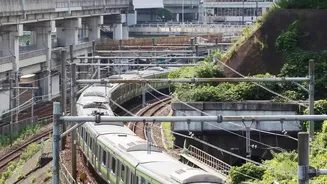
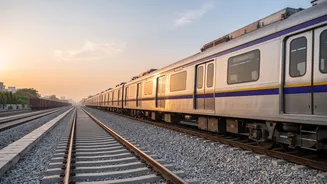
Mumbai's suburban railway network is one of the busiest in the world, carrying over seven million passengers daily. The term 'super-dense crush load' was coined here, describing the peak hour reality of 14-16 people crammed into a single square metre.
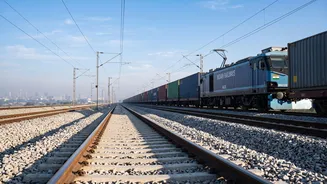
This immense human traffic shares the tracks with long-distance passenger trains and, crucially, slower, heavier freight trains. This mixed traffic is a core reason for the network's fragility. When a freight train occupies a line, faster local trains are forced to wait, creating a ripple effect of delays that cascades through the system and worsens the already dangerous overcrowding.
The Game-Changer: Dedicated Freight Corridors
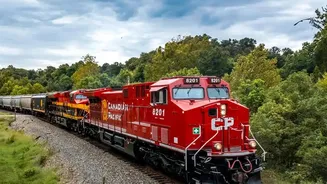
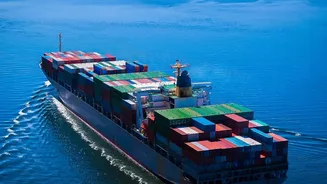
The solution being implemented is the Dedicated Freight Corridor (DFC)—essentially, a separate, exclusive highway for goods trains. The most significant for Mumbai is the Western Dedicated Freight Corridor (WDFC), a 1,506-km route connecting the Jawaharlal Nehru Port (JNPT) in Navi Mumbai with Dadri in Uttar Pradesh. The full corridor became operational in September 2026, marking a monumental shift in India's logistics. By funnelling goods trains onto this separate, high-speed network, the existing passenger lines are freed up, unlocking a host of benefits for Mumbai's daily commuters.
More Trains and Better Punctuality
The most immediate impact of moving freight off passenger lines is the creation of new capacity. Without the need to schedule around slow-moving goods trains, railway authorities can significantly increase the frequency of suburban local services. More trains per hour directly translates to less waiting time on platforms and shorter queues. Furthermore, punctuality is drastically improved. Delays caused by freight train movement—one of the major operational bottlenecks—are virtually eliminated from the suburban system, leading to more reliable and predictable journeys for millions of commuters.
Easing the 'Super-Dense Crush Load'
Increased frequency is the most effective weapon against overcrowding. Running more trains, especially during peak hours, helps distribute the passenger load more evenly. While it may not eliminate crowds entirely, it can significantly reduce the 'super-dense crush load' conditions that are not only uncomfortable but also a major safety hazard. Fewer people per square metre means a more humane and less stressful travel experience. This, combined with plans to introduce hundreds of new-generation AC local trains, promises a substantial upgrade in commuter comfort.
A Leap Forward in Safety and Modernisation
Overcrowding is a direct cause of hundreds of deaths and injuries on the network each year, with many fatalities resulting from falls from packed trains. By reducing the crush, separating freight traffic helps make daily travel safer. Additionally, with freight gone, the tracks are available for more frequent and efficient maintenance. It also allows for the faster implementation of modern signalling systems like Kavach and other technological upgrades designed for passenger services. A network dedicated solely to passenger traffic is a network that can be optimised for passenger safety and speed.
A Double Win for the Economy
The benefits extend beyond the daily commute. An efficient, decongested suburban railway allows millions of people to get to work on time, boosting productivity. Simultaneously, the DFC makes the movement of goods from ports like JNPT to industrial hubs across the country faster, cheaper, and more reliable. This dual improvement—smoother commutes for people and streamlined logistics for goods—strengthens Mumbai's and India's economic engine. It’s a classic case of infrastructure investment creating a virtuous cycle of growth and improved quality of life.