


A UNESCO World Heritage Jewel
Tucked away in the Chamoli district, the Valley of Flowers National Park is more than just a beautiful meadow; it's a globally significant alpine landscape. Designated a UNESCO World Heritage Site, this high-altitude valley is renowned for its meadows
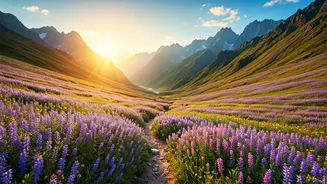
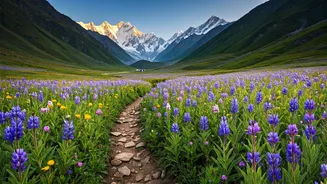
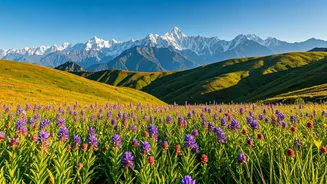
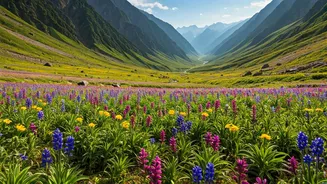
of endemic alpine flowers and staggering natural beauty. For most of the year, it lies dormant under a thick blanket of snow. But as the summer sun melts the ice, the valley undergoes a dramatic transformation. This is not a slow, gentle bloom but a rapid, vibrant 'explosion' of life, where countless species of flowers blossom in a riot of colour against a backdrop of snow-capped peaks. This fleeting phenomenon, which lasts only a few months, draws trekkers, botanists, and nature lovers from around the world to witness one of the planet's most enchanting floral displays.
The Countdown to Colour
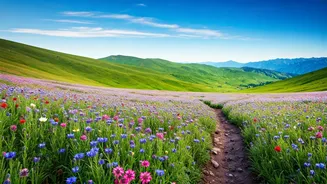
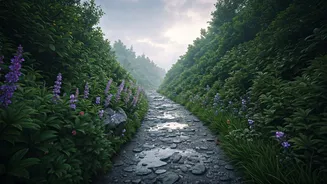
The park officially opens its gates to visitors on June 1st each year, marking the start of the much-anticipated season. In the initial weeks, the valley is a fresh, lush green as the first shoots push through the fertile soil. While beautiful, this is just the prelude. The real magic, the 'epic explosion' the valley is famous for, typically begins in mid-July and peaks in August. During this period, the landscape is carpeted with over 500 species of wildflowers, including the elusive Brahma Kamal, the vibrant Blue Poppy, the Cobra Lily, and countless varieties of orchids, poppies, and daisies. The exact timing and intensity of the bloom are dictated by the monsoon rains, which provide the life-giving water needed for this spectacular floral eruption. The air becomes thick with the scent of blossoms, and the gentle hum of bees and insects fills the pristine Himalayan air.
The Journey Is the Destination
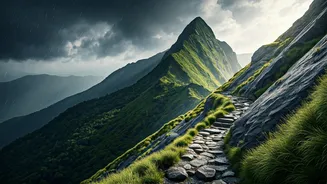
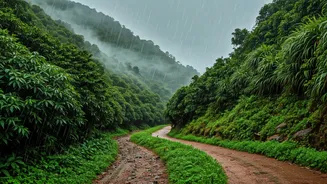
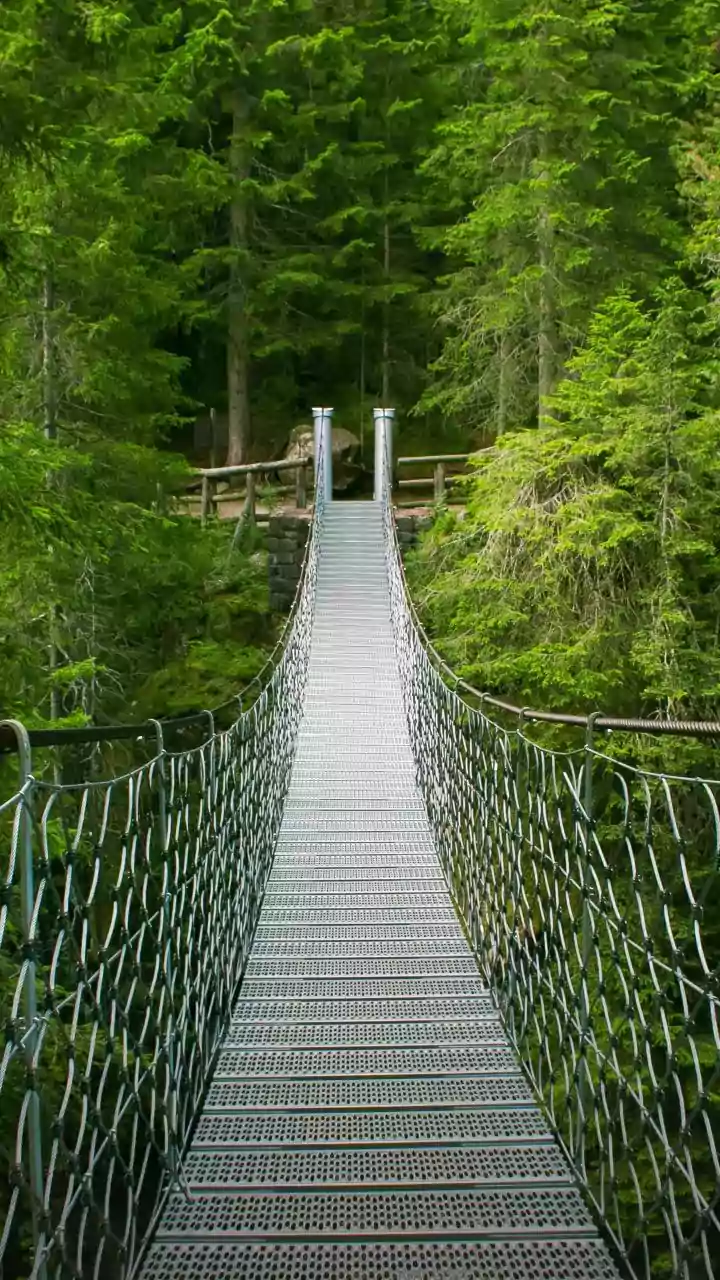
Reaching the Valley of Flowers is an adventure in itself. The journey begins from the town of Govindghat, from where a trek of about 14 kilometres leads to the base camp village of Ghangaria. This part of the trek, now partially motorable to Pulna village, winds along the Lakshman Ganga River, offering stunning views and a chance to acclimatise to the altitude. Ghangaria, situated at around 10,000 feet, serves as the hub for visitors. From here, a separate, moderate trek of about 4-5 kilometres takes you to the official entrance of the Valley of Flowers. The path is well-defined but can be steep in places. As you ascend, the landscape begins to change, with dense forests giving way to open meadows. The first glimpse of the flower-laden valley, stretching out for nearly 10 kilometres, is a reward that makes every step of the journey worthwhile.
Planning Your Pilgrimage
A trip to the Valley of Flowers requires careful planning. The best time to witness the full bloom is from mid-July to mid-August. Visiting in June offers greener landscapes and fewer crowds, while September sees the flowers beginning to fade but provides clearer skies and autumnal hues. Key things to remember: - **Permits:** A permit is required to enter the park, which can be obtained at the entrance gate near Ghangaria. The permit is typically valid for three days. - **Accommodation:** Stay is not permitted inside the valley. All trekkers must return to the base camp at Ghangaria by evening. Ghangaria offers basic guesthouses and a GMVN tourist rest house. - **Acclimatisation:** Altitude sickness is a real risk. Spend at least one night in Ghangaria to acclimatise before trekking into the valley. - **Physical Fitness:** While not an extreme trek, a good level of physical fitness is necessary to enjoy the journey comfortably.
What to Pack and Know
Packing smart is crucial for this high-altitude trek. The weather is notoriously unpredictable, with bright sunshine often giving way to sudden rain showers. Essential items include: - **Waterproof Gear:** A high-quality waterproof jacket, pants, and a cover for your backpack are non-negotiable. - **Sturdy Footwear:** Comfortable trekking shoes with good grip are essential for the rocky and sometimes slippery trails. - **Layered Clothing:** Pack light layers that you can add or remove as the temperature changes throughout the day. - **Essentials:** Sunscreen, a hat, sunglasses, a basic first-aid kit, and any personal medications are a must. Most importantly, remember that you are a guest in a fragile ecosystem. Stick to the designated paths, do not pick any flowers, and carry all your waste back with you. Leave no trace but your footprints.