




The Green Thread of Brotherhood
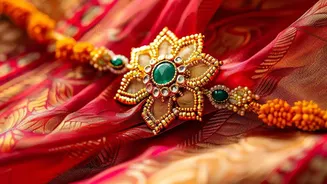
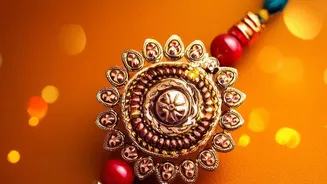
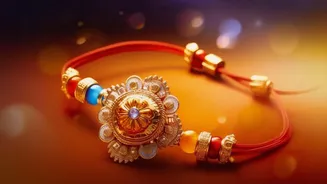
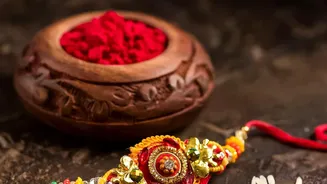
The traditional Rakhi, often made of plastic and non-biodegradable materials, is getting a conscious makeover. Enter the sustainable, plantable rakhi. These are not your average threads; they are crafted from organic cotton, jute, recycled paper, and natural
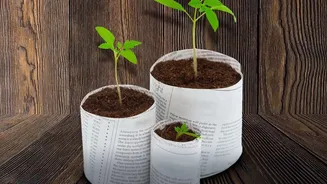
dyes. The most innovative feature is the seed embedded within the rakhi's design. After the festivities, instead of being discarded and contributing to landfill waste, this rakhi can be planted in soil. With a little water and care, it sprouts into a plant—be it flowers, herbs, or vegetables—transforming a single-day observance into a living, growing symbol of the sibling bond. This concept has resonated deeply with a generation of consumers who are acutely aware of their environmental footprint and seek products with purpose. Choosing a seed rakhi is no longer just about tying a thread; it's a statement of care for the planet, a small act of rebellion against a throwaway culture.
Gifting Memories, Not Just Things
Parallel to the rise of sustainable goods is the growing appetite for experiential gifts. Siblings are looking beyond physical objects and choosing to gift shared moments and skills. Instead of another gadget or perfume, the new-age gift registry includes a weekend getaway, a pottery workshop, a gourmet cooking class, or a subscription to a shared interest. This move away from materialism is driven by a desire for deeper connection and creating lasting memories. In a world saturated with digital interactions, the premium is on quality time spent together. An experience offers something a material gift often cannot: a unique story and a memory that strengthens the sibling relationship long after the day is over. It taps into the understanding that the best gifts are not things to be owned, but moments to be lived.
A New Generation's Values
This evolution in festive shopping is largely powered by the values of Millennial and Gen Z consumers. This demographic is digitally savvy, globally connected, and ethically conscious. They don't just buy products; they buy into the stories and values behind them. For them, sustainability is not a buzzword but a core purchasing criterion. They actively seek out brands that are transparent, support local artisans, and demonstrate a tangible commitment to social and environmental good. This generation wants their celebrations to reflect their beliefs, making conscious gifting a natural choice. A plantable rakhi that supports rural women artisans or an experience that creates minimal waste aligns perfectly with their worldview, making the choice both personal and political.
More Than a Trend, A Market Shift
While traditional products still hold a significant market share, the momentum is undeniably with these new categories. The demand for sustainable and personalized rakhis is seeing huge year-on-year growth, indicating this is far from a niche interest. Small businesses, startups, and NGOs have been quick to innovate, offering a wide array of creative and eco-friendly options that are now readily available online. This increased accessibility and variety mean consumers no longer have to choose between tradition and their values. This shift also signals a redefinition of what a 'premium' gift is. It's no longer just about the price tag, but about the thoughtfulness, purpose, and positive impact embedded in the gift.