



Embrace the Zero-Waste Kitchen
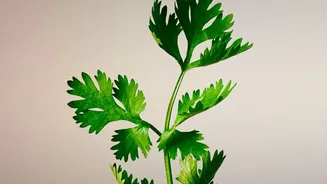
Before you write off those fibrous coriander stems or tough parsley stalks, remember that they are packed with just as much flavour as the delicate leaves. The principle of a zero-waste kitchen is simple: use everything. This approach not only saves you money
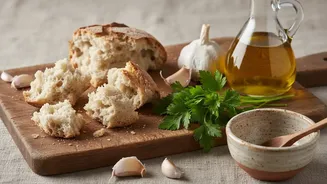
and reduces your environmental footprint, but it also pushes you to be more creative. Stems from soft herbs like parsley, coriander, and dill are completely edible and delicious when used correctly. Similarly, stale bread, which might seem destined for the bin, is the perfect ingredient to provide body and a creamy texture to spreads and sauces, a technique used in classic dishes like Romesco sauce. By reimagining these 'scraps' as ingredients, you unlock a new world of culinary possibilities right in your own home.
Your Two Hero Ingredients
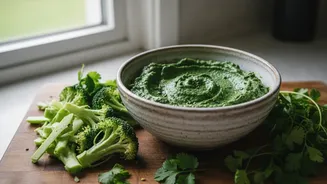
The foundation of this dip is brilliantly simple. First, the herb stems. We're talking about the tender stems of herbs like coriander, parsley, basil, and dill. While woodier stems from rosemary or thyme can be used to infuse oils, the softer stems can be blended directly into dishes. They carry a more concentrated, slightly peppery version of the leaf's flavour. The second hero is stale bread. Any kind will do—from a standard loaf of white or brown bread to the ends of a baguette. When soaked, stale bread loses its hardness and breaks down into a smooth, thick paste when blended, creating the perfect base for a dip without needing heavy creams or an excess of oil. This combination is your blank canvas.
The Basic Blending Method
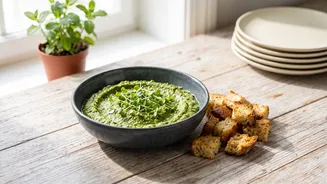
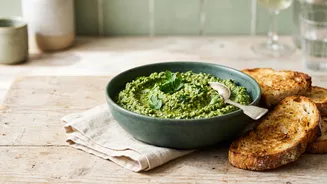
Creating your dip is a straightforward process that takes less than ten minutes. Start by tearing your stale bread into rough chunks. Briefly soak them in a little water, milk, or even whey (paneer water) until they soften. Squeeze out the excess liquid and place the softened bread in a blender or food processor. Add a generous handful of your washed herb stems. The ratio is flexible, but a good starting point is about one cup of packed stems to two or three slices of bread. Add a clove of garlic, a squeeze of lemon juice for brightness, a splash of olive oil for richness, and a pinch of salt. Blitz everything together until you have a smooth, hummus-like consistency. If the mixture is too thick, add a tablespoon of water or oil at a time until you reach your desired texture. Taste and adjust the seasoning—it’s that simple.
Bringing in the Spices
This is where you can truly make the dip your own and tailor it to an Indian palate. A basic cumin and coriander powder mix is a great start. For a tangy kick reminiscent of street food, add a generous pinch of chaat masala, which gets its unique flavour from amchur (dried mango powder) and black salt. If you want to create a warming, complex flavour, a small amount of garam masala added at the end of blending works wonders. For a South Indian-inspired variation, try tempering mustard seeds, curry leaves, and a pinch of asafoetida (hing) in hot oil and swirling it into the dip. A dash of turmeric will not only add earthy notes but also give your dip a beautiful golden hue. Don't be afraid to experiment with your favourite spice blends.
Perfecting the Texture and Finish
Once you've nailed the flavour, a few final touches can elevate your dip from good to great. The final consistency is a matter of preference. For a thicker, more rustic spread perfect for slathering on toast, use less liquid. For a smoother, lighter dip ideal for pairing with vegetable sticks or chips, blend in a little more water, yoghurt, or oil. To serve, spoon the dip into a bowl and make a swirl on top with the back of a spoon. Drizzle with a good quality olive oil or a spoonful of your tempered spice oil. For added texture and visual appeal, garnish with a sprinkle of toasted sesame or pumpkin seeds, some chopped nuts, or a few fresh herb leaves you saved from the stems.