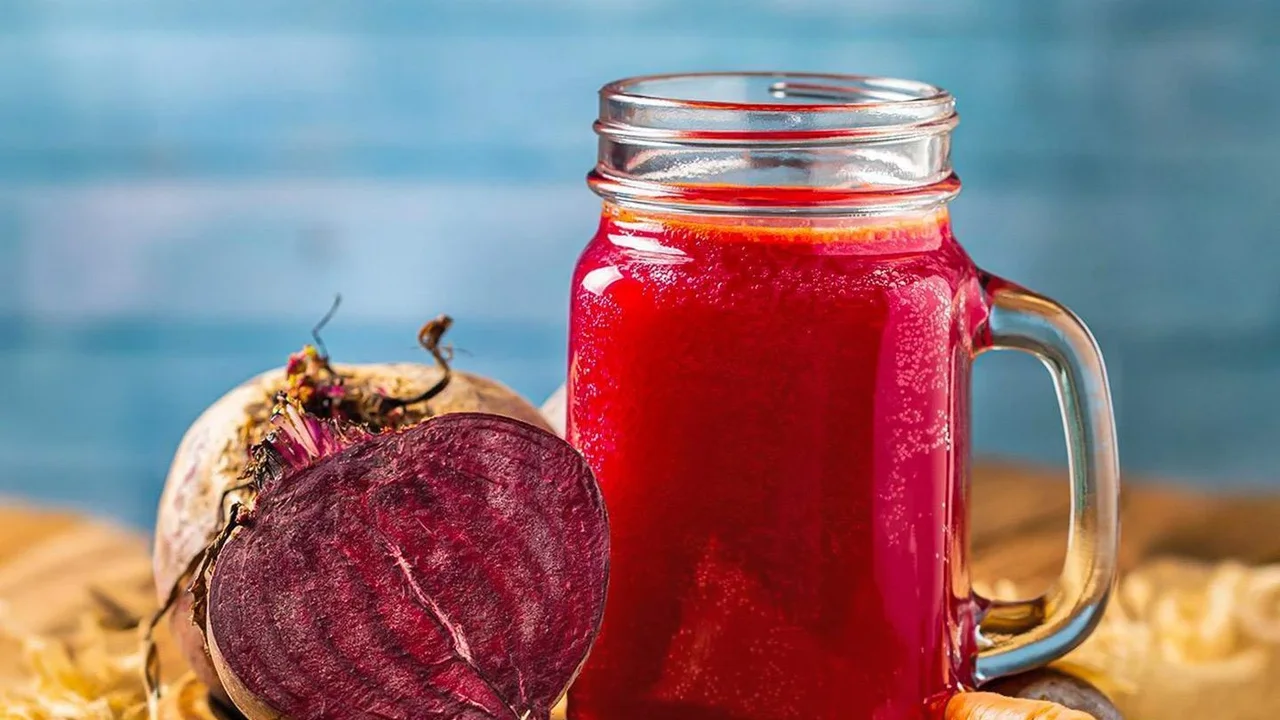







The Power in the Purple Root
For over a decade, athletes in the know have been turning to beetroot juice for its performance-enhancing properties. This isn't folklore; it's biochemistry. Beetroot is exceptionally rich in inorganic nitrates. When consumed, these natural compounds
kickstart a fascinating chain reaction in the body that can lead to significant gains in endurance and efficiency. The science has been consistently strong, showing that nitrates from sources like beetroot can give athletes a measurable advantage. The key has always been harnessing this power effectively, leading to extensive research on timing, dosage, and who benefits most.
From Nitrate to Nitric Oxide
The magic of beetroot lies in its conversion to nitric oxide (NO). When you ingest nitrate-rich foods, bacteria in your mouth convert the nitrate (NO3) into nitrite (NO2). This nitrite is then absorbed into your bloodstream and, particularly in low-oxygen environments like contracting muscles, is further converted into nitric oxide. Nitric oxide is a potent vasodilator, meaning it relaxes and widens your blood vessels. This process increases blood flow, allowing more oxygen to be delivered to your working muscles. The result is a more efficient engine; your muscles can produce the same power while consuming less oxygen, effectively lowering the energy cost of exercise.
Rethinking Dosage: The 'Micro-Dosing' Method
The headline term 'micro-dosing' requires clarification. In sports science, this doesn't refer to psychedelic substances but rather a shift in strategy from large, single 'acute' doses to smaller, more consistent 'chronic' supplementation. Traditionally, athletes would drink a large volume of beetroot juice 2-3 hours before an event. However, recent understanding suggests that a multi-day loading protocol—consuming a smaller, effective dose daily for 3-6 days before a competition—can be more beneficial, especially for well-trained athletes. This approach, which could be considered a form of micro-dosing, aims to keep plasma nitrate levels consistently elevated, optimising the body's systems for performance day. Some research even indicates that while a large single dose is effective, a loading phase can add an extra 1-2% benefit on top.
The Science of Oxygen Efficiency
The core benefit confirmed by numerous studies is an upgrade to the body's oxygen transport and utilisation system. By increasing nitric oxide availability, beetroot nitrate supplementation makes your mitochondria—the powerhouses of your cells—more efficient. Studies have measured a tangible reduction in the oxygen cost of sub-maximal exercise, meaning you use less energy to maintain a certain pace. This improved economy can delay fatigue and enhance endurance, particularly in events lasting from 4 to 30 minutes. For runners, cyclists, and team-sport athletes who perform high-intensity intermittent work, this can translate directly into better performance, such as running farther or faster before hitting exhaustion.
Practical Guide for Athletes
To apply this science, precision matters. The effective dose is based on nitrate content, not just the volume of juice or powder. Athletes should aim for 300-600mg of nitrate per serving. For a single tough workout, an acute dose taken 2-3 hours beforehand is effective. For a major competition, consider a loading phase: take one dose daily for 3-6 days leading up to the event, with a final dose on race day. Be aware that products vary wildly in nitrate content, so checking labels for standardised doses is crucial. Also, avoid using antiseptic mouthwash around the time of consumption, as it can kill the necessary oral bacteria that start the conversion process. While side effects are minimal, be prepared for the harmless but sometimes surprising pink coloration of urine and stools.