






The New Digital Nomad Destination
Forget the cramped apartments and polluted air of the big city. A growing wave of young professionals, particularly from the tech and creative sectors in Delhi-NCR and Jaipur, are packing their bags for Rishikesh. But they aren't just going for a weekend
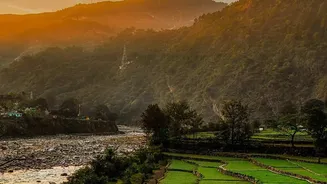
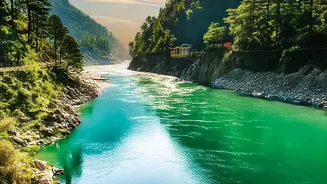
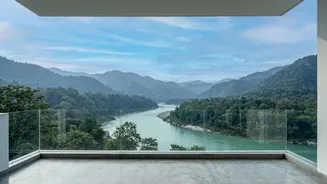
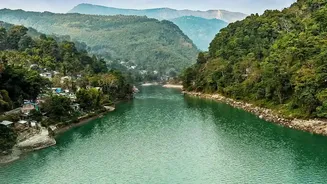
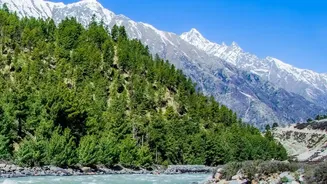
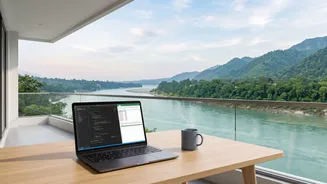
getaway. They're staying for weeks, sometimes months, in what's being dubbed a 'workation'—a blend of work and vacation. This movement signifies a larger shift in India's work culture, where quality of life is no longer a weekend luxury but a daily priority. The flexibility of remote work has empowered these individuals to choose their office view, and many are choosing the tranquil ghats and green foothills of the Himalayas. The town, long known as a spiritual retreat, is now buzzing with a new kind of energy, fuelled by coders, designers, and writers seeking both productivity and peace.
Inside the Co-Living Revolution
This trend is powered by the rise of co-living hubs, spaces designed specifically for the modern remote worker. These are not just hotels or hostels; they are curated environments that offer a seamless blend of private living and communal working. A typical setup includes a private room, access to shared, high-speed Wi-Fi enabled workspaces, communal kitchens, and social events. Operators have recognised that today's freelancer needs more than just a desk. They offer packages that often include meals, power backup, and community-building activities like weekend treks, jam sessions, and skill-sharing workshops. This model tackles one of the biggest challenges of freelance life—isolation—by providing a built-in network of like-minded professionals.
Why Rishikesh Hits the Sweet Spot
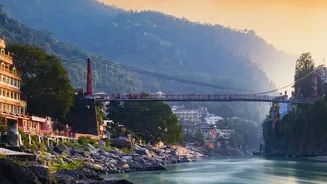
While several hill stations offer scenic beauty, Rishikesh has a unique combination of factors making it particularly attractive. As the 'Yoga Capital of the World', it has a deep-rooted wellness culture. For professionals battling burnout, the easy access to yoga, meditation, and sattvic food is a major draw. Beyond spirituality, the town offers adventure sports like rafting and hiking for weekend unwinding. Crucially, the infrastructure has caught up. Reliable high-speed internet, once a major concern in mountainous regions, is now widely available in areas like Tapovan and Laxman Jhula, which are popular digital nomad hubs. Its relative proximity to Delhi also makes it an accessible escape, a manageable overnight journey away.
The Economics of a Mountain Office
A move to the mountains might sound like a luxury, but for many, it's a financially sound decision. The cost of living in Rishikesh is significantly lower than in metropolitan areas like Delhi or Jaipur. Monthly packages at co-living spaces or work-friendly hostels can start from as low as ₹15,000 to ₹25,000, often including accommodation, Wi-Fi, and some meals. When compared to the high rents, commuting costs, and expensive social life of a big city, a workation in Rishikesh can be surprisingly affordable, allowing freelancers to maintain a high quality of life without breaking the bank.
A Day in the Life: Code, Chai, and Chants
The daily routine for a remote worker in Rishikesh is a world away from the urban rat race. A typical day might begin with a sunrise yoga session by the Ganga, followed by a few hours of focused work at a riverside cafe or the co-working space. Lunch is often a healthy, communal affair with fellow residents. The afternoon could involve client calls against a backdrop of mountains. As the workday ends, the evening offers a choice between attending the Ganga Aarti, exploring local markets, or simply meditating by the river. This rhythm replaces stress with intention, allowing for deep work while fostering personal well-being.