



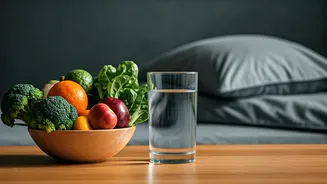


The Great Thirst Deception
One of the most significant reasons we under-hydrate in cooler weather is a blunted thirst response. [3, 5, 8, 9] When it's cold, our blood vessels constrict to conserve heat by drawing blood away from our extremities and toward our core. [5, 8, 23] This
process can fool the brain into thinking the body is adequately hydrated, suppressing the natural urge to drink. [3, 8, 23] In fact, research shows that the body's thirst sensation can be diminished by up to 40% in cold conditions. [5, 8, 9, 10] This means you could already be mildly dehydrated long before you even feel the slightest bit thirsty. [5] High humidity during rainy spells adds to the confusion; because sweat doesn't evaporate as quickly, we may not perceive how much fluid we are actually losing. [12, 17]
The Invisible Water Loss
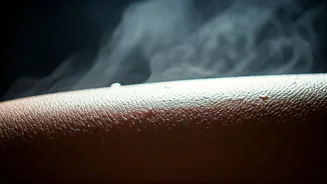
Even if you aren't sweating profusely, your body is constantly losing water. A significant amount is lost simply through breathing. [1, 3] When you inhale cold, dry air, your lungs must warm and humidify it, and you exhale that moisture with every breath. [1, 3, 7] This is visible as mist when you breathe out into the cold. [8, 21] Additionally, wearing heavy, layered clothing to stay warm can cause you to sweat more than you realize. [1, 6, 8] This sweat often evaporates quickly in the cool air, so you might not feel damp, but the fluid loss is still happening. [1, 21] The body may also increase urine output in the cold, a condition known as cold-induced diuresis, further depleting your fluid reserves without you noticing. [1, 8]
Subtle Signs You're Already Dehydrated
Since thirst isn't a reliable indicator in cool weather, it's crucial to recognize the other, more subtle signs of dehydration. [11, 16, 20] These can often be mistaken for just feeling a bit gloomy due to the weather. Watch for symptoms like unexplained fatigue, headaches, dizziness, or a lack of focus. [1, 11, 13, 15, 17] A dry or sticky mouth is a classic sign, as is a decrease in urination frequency. [11, 13, 15] One of the most straightforward ways to check your hydration status is to monitor your urine colour. If it's a dark yellow or amber hue, your body is telling you it needs more water. [1, 11] Pale yellow or clear urine generally indicates you're well-hydrated. [1, 11]
Smart Strategies for Staying Hydrated
Staying hydrated when you don't feel thirsty requires a proactive approach. Don't wait for thirst to strike. [1, 18] Make it a habit to sip water throughout the day by keeping a reusable water bottle at your desk or in your bag. [2, 4] If cold water feels unappealing, opt for warm beverages like herbal teas or low-sodium broths, which also contribute to your fluid intake. [2, 4, 6] You can also 'eat' your water by incorporating hydrating foods into your diet, such as soups, stews, and fruits and vegetables like oranges, apples, and cucumbers. [2, 6, 10] Setting reminders on your phone can be a simple but effective way to prompt yourself to drink regularly. [10] Finally, while it's tempting to reach for coffee or alcohol on a dreary day, remember that these can have a diuretic effect, so it's best to moderate your intake. [2, 6]