





The Great Urban Shift
For decades, the Indian dream home was synonymous with space. But with rapid urbanization and soaring real estate prices in metro cities like Mumbai, Delhi, and Bengaluru, that dream is being recalibrated. The new reality for many young professionals
and families is the compact apartment, often ranging from 600 to 1200 square feet. This constraint, however, isn't leading to a compromise on quality. Instead, it's forcing a creative re-evaluation of what luxury means. Homeowners are no longer asking for sprawling rooms to impress guests, but for homes that are emotionally intelligent, functional, and deeply personal. The focus has shifted from performative wealth to personal well-being, making smaller homes the new laboratories for innovative Indian design.
Luxury is No Longer Just About Size
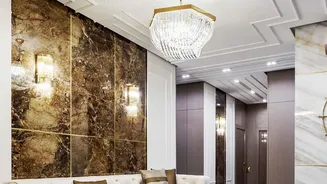
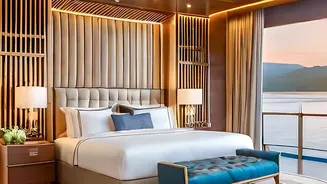
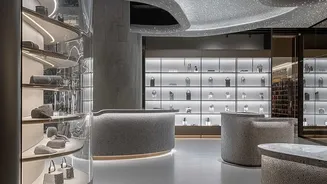
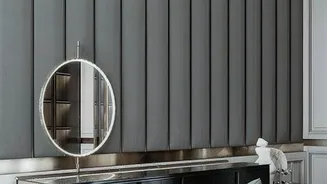
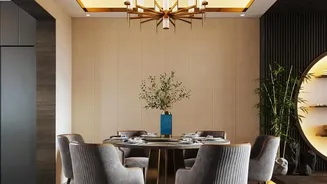
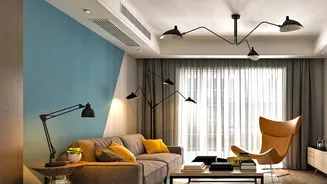
The new urban luxury isn't measured in square feet but in the quality of experience. It’s a move away from loud, flashy displays and towards what designers call “quiet luxury.” This philosophy prioritises high-quality, sustainable materials, subtle craftsmanship, and a feeling of calm. Instead of ornate furniture, the focus is on clean lines, warm neutral colours, and furniture with soft, curved edges that feel less rigid in a small space. Textures play a huge role, with materials like solid wood, natural stone, jute, and linen being used to add warmth and depth. The goal is to create a space that feels restorative and supportive of daily life, where silence, soft lighting, and a clutter-free environment are the new status symbols.
Functionality as the Ultimate Feature
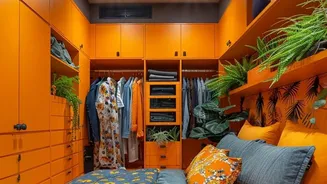
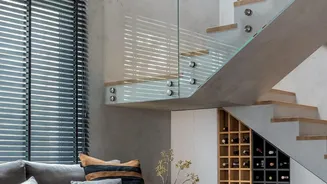
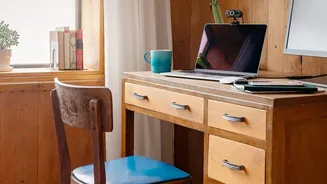
In a compact home, every piece of furniture must earn its place. This has led to a surge in demand for multifunctional and modular furniture, which has become a necessity rather than a niche interest. Popular items include sofa-beds that transform living rooms into guest rooms, lift-top coffee tables that double as workstations, and dining tables that can be folded or extended. Storage has also become an art form. Designers are using vertical space with floor-to-ceiling wardrobes, integrating hidden storage into beds and seating, and using wall-mounted units to keep floors clear. Wardrobes with sliding doors are preferred because they don't require clearance to open, a crucial detail in tight bedrooms. This focus on smart, integrated design ensures that even a small home can remain organised and feel spacious.
A Personal and Mindful Sanctuary
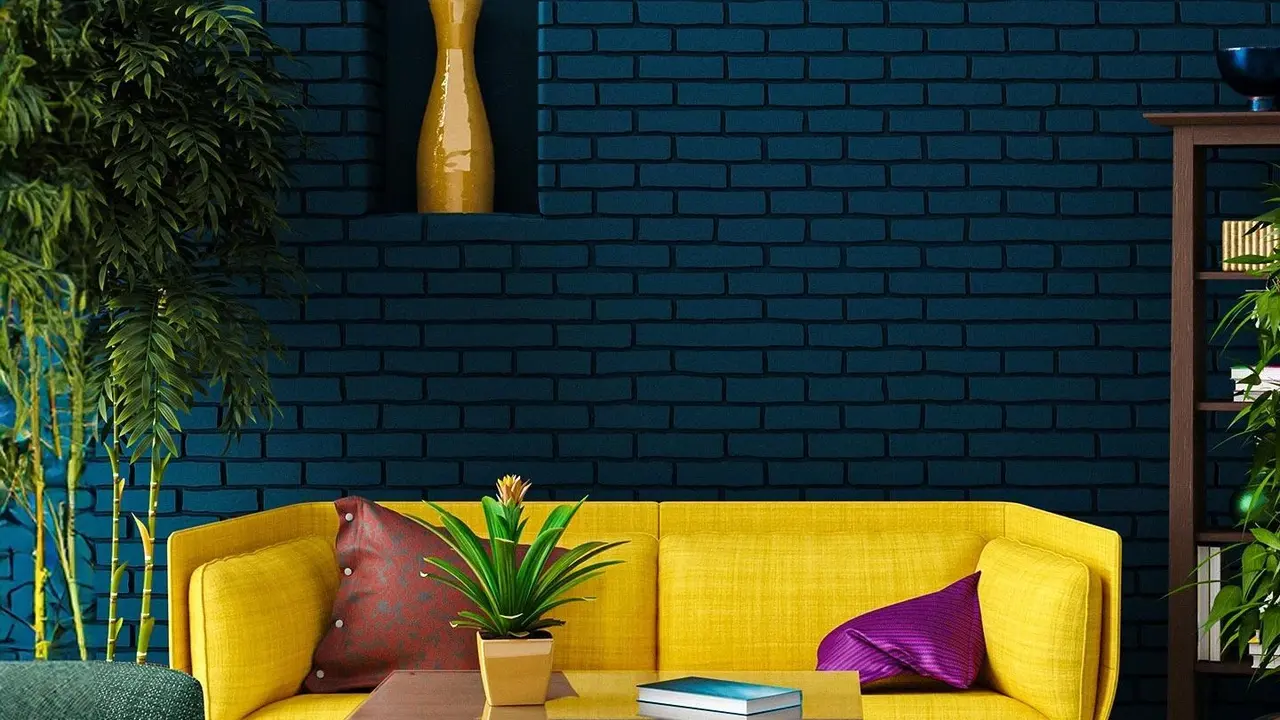
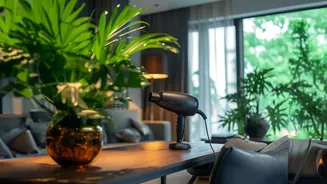
More than ever, urban Indians see their home as a sanctuary from the chaos of city life. This has fuelled a desire for personalised interiors that reflect individual identity and promote wellness. Homeowners are now more visually informed, often coming to designers with mood boards and a clear idea of the emotional atmosphere they want to create. This includes a move towards biophilic design—incorporating indoor plants and natural light to foster a connection with nature. Lighting is layered to create mood and warmth, moving away from harsh overhead lights. There is also a renewed appreciation for artisanal and culturally rooted decor, but used selectively. Handcrafted pieces, local textiles, and traditional materials are blended into modern layouts, creating a home that feels both contemporary and timeless.