





Why Go Natural?
Before reaching for a chemical pesticide, consider the benefits of an organic approach, especially in a small space like a balcony. Natural solutions are safer for edible plants like herbs and tomatoes, ensuring your harvest is free from harmful residues.
They are also kinder to the environment and pose less risk to children, pets, and beneficial insects like bees and ladybugs, which are crucial for a healthy garden ecosystem. Every home garden will face pests at some point; the goal is not to eliminate insects entirely but to manage them calmly and effectively. A proactive, natural approach keeps your green sanctuary safe and thriving.
The Power of Neem Oil
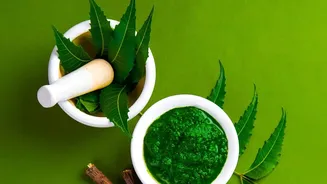
Neem oil, extracted from the seeds of the neem tree (Azadirachta indica), is a cornerstone of organic gardening in India. Its power lies in the active compound azadirachtin, which disrupts the life cycle of over 200 species of pests, including common balcony garden invaders like aphids, mealybugs, spider mites, and whiteflies. It works not by killing on contact, but by inhibiting feeding and preventing insects from growing and reproducing. This makes it a powerful tool that works against pests without harming the beneficial insects that help your garden flourish.
How to Create a Neem Oil Spray
Creating your own neem oil spray is simple. For a one-litre solution, you will need about 5 ml (1 teaspoon) of cold-pressed neem oil, 2 ml (about half a teaspoon) of a mild liquid soap, and one litre of warm water. The soap is crucial as it acts as an emulsifier, allowing the oil and water to mix properly. Without it, the oil will just float on top. Combine the soap and warm water in a spray bottle first, shake well, then add the neem oil and shake again. The mixture is most effective when used within a few hours, so only make as much as you need for one application.
The Simple Soapy Water Fix
For a quick and easy solution against soft-bodied insects like aphids and spider mites, a simple soapy water spray is highly effective. The fatty acids in the soap work by dissolving the pest's waxy outer coating, causing it to dehydrate and die on contact. It’s a targeted solution that is most effective when sprayed directly onto the pests. One of the biggest advantages is its simplicity and the ready availability of its ingredients. However, it's important to use the right kind of soap to avoid harming your plants.
Mixing Your Soapy Water Solution
To create a gentle but effective spray, mix one to two teaspoons of mild liquid soap into one litre of water. It is vital to use a true soap, like castile soap, and not a synthetic detergent or dishwashing liquid. Many modern dish soaps contain degreasers and harsh chemicals that can strip the natural oils from plant leaves and cause damage. Always avoid products with bleach, fragrances, or aggressive grease-fighting agents. Pour the mixture into a spray bottle and shake gently to combine.
Best Practices for Application
Proper application is key to success. Always spray your plants in the early morning or late evening. Applying oils or soaps in direct, hot sunlight can cause the leaves to burn. Be thorough and coat all parts of the plant, paying special attention to the undersides of leaves, where pests like spider mites and aphids love to hide. Before spraying an entire plant, it's wise to do a 'patch test' on a single leaf and wait 24 hours to ensure there is no adverse reaction. For an active infestation, you may need to reapply every five to seven days. For prevention, a spray every two weeks is usually sufficient.