




The Allure of the Living Jar
Fermentation is a natural process where microbes, like beneficial bacteria and yeast, convert sugars in food into other compounds, like lactic acid. This ancient method not only preserves food but also creates incredible flavours and boosts nutrients.
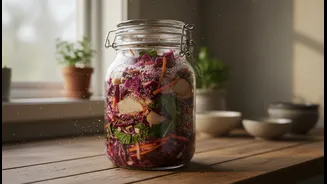
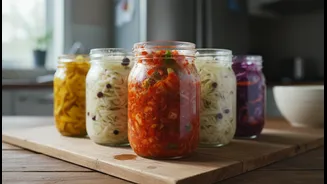
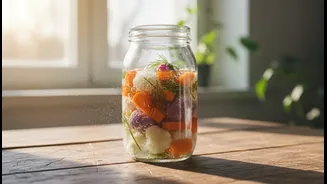
Projects like sauerkraut, kimchi, or simple lacto-fermented pickles happen right on your countertop in nothing more than a glass jar. You are not just following instructions; you are cultivating a tiny, living ecosystem. It is an invitation to slow down and witness a natural transformation, turning everyday ingredients into something complex and full of flavour.
Your First, Small Step
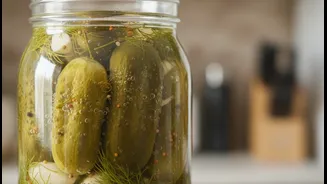
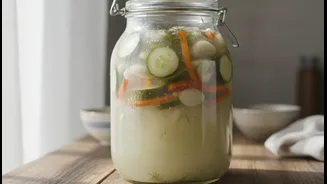
The key is to start simple. Don't try to make a gallon of kimchi on your first attempt. Begin with one quart-sized jar and a forgiving recipe, like lacto-fermented cucumber pickles. All you need are some pickling cucumbers, non-iodized salt, filtered water, and flavourings like dill and garlic. The basic process is straightforward: pack your cucumbers and spices tightly into a clean jar, pour a salt-water brine over them until they are completely submerged, and leave about an inch of space at the top. Keeping the vegetables under the brine is the golden rule, as this anaerobic (oxygen-free) environment is where the magic happens and what keeps spoilage at bay.
The Art of Keeping Notes
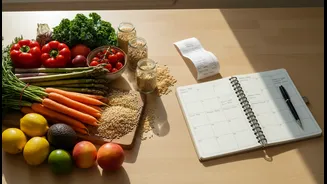
This is where the real learning begins. A simple notebook is one of the most powerful tools a home fermenter can have. Keeping a log helps you track what works, what doesn't, and why. For each batch, jot down the date, the ingredients used (including the exact amount of salt), and the temperature of your room. As the days pass, add observations. How does it smell? Do you see bubbles forming? Is the brine getting cloudy? These are all signs of healthy fermentation. This diary becomes your personal guide, making the process repeatable and, more importantly, improvable. You are not just guessing; you are building a dataset of your own experiences.
What the Jar Will Teach You
Your notes will start to reveal patterns. You'll learn that a warmer room speeds up fermentation, while a cooler spot slows it down. You'll come to recognize the difference between the tangy, pleasant aroma of a healthy ferment and the off-putting smell of spoilage. You'll see how a little cloudiness in the brine is normal, but fuzzy, colourful mould is a sign to start over. This hands-on experience is invaluable. You'll learn that fermentation isn't a rigid, predictable process like baking a cake; it's a dynamic collaboration with living organisms that is influenced by many factors. Every jar, successful or not, offers a lesson.
When Things Go Wrong (And They Will)
Every person who ferments has had a batch go wrong. Perhaps your pickles turned out mushy, or you found mold on the surface. Don't be discouraged. A failed batch isn't a failure; it's a data point. Refer to your notes. Were the vegetables floating above the brine? Was the room too hot, causing them to soften? Did you use enough salt? Too little salt can allow harmful bacteria to take hold, while too much can inhibit the process altogether. These mistakes are how you refine your technique. Instead of giving up, use the experience to inform your next attempt.