

From Kitchen Staple to Battery Power
When you hear 'salt energy', it's natural to be a bit confused. The technology in question is the sodium-ion battery. It works on a similar principle to the lithium-ion batteries currently powering most electric vehicles and smartphones: ions move between
a positive and negative electrode to store and release energy. The key difference, however, is the main ingredient. Instead of lithium, which is relatively rare and concentrated in a few countries, these batteries use sodium, an element that is over 500 times more abundant and can be sourced easily, including from common rock salt. This incredible abundance is the primary reason why sodium-ion technology promises a significant cost advantage over its lithium-based counterpart.
Why Now? The Tech is Ready
Sodium-ion batteries aren't a new idea, but they have historically been held back by lower energy density, meaning they stored less power for their size and weight compared to lithium-ion. Recent advancements, however, have started to close this gap. Researchers and companies have engineered new electrode materials and electrolyte formulas that significantly boost performance. In India, the government's Renewable Energy Secretary recently stated that the technology has reached 'Technology Readiness Level 7', indicating a prototype has been successfully demonstrated in an operational environment. This is a major milestone that suggests a transition from pilot projects to commercial-scale production could happen within the next two to three years.
The Real-World Impact on Your Wallet
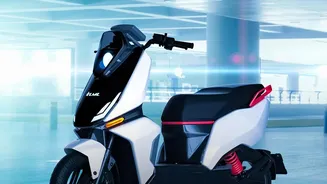
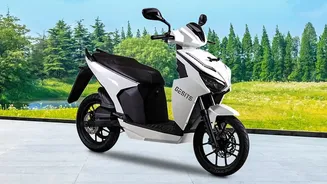
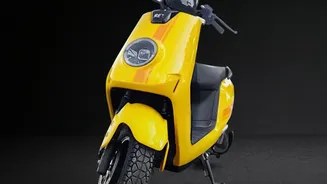
The primary benefit for consumers is a direct impact on the sticker price of entry-level electric scooters. Battery packs can account for a huge portion of an EV's total cost, sometimes as much as 60-70% for lithium-based systems. By using cheaper, widely available sodium, manufacturers can slash this cost. This makes sodium-ion batteries a perfect fit for the urban mobility segment—scooters, e-bikes, and three-wheelers—where extreme range is less critical than affordability and durability. While high-performance, long-range EVs will likely continue to use energy-dense lithium-ion batteries, sodium-ion technology is poised to conquer the mass-market segment, finally making electric mobility accessible to a much broader audience.
Performance, Safety, and the India Advantage
So, what's the trade-off? A sodium-ion powered scooter might have a slightly shorter range—potentially 20-30% less than a comparable lithium model—due to the lower energy density. However, they come with compelling advantages beyond cost. Sodium-ion batteries are inherently safer, with a lower risk of thermal runaway or fire, and can be safely transported at zero charge. They also perform significantly better in cold weather, a notable weakness of some lithium chemistries. Furthermore, they boast faster charging times and a potentially longer cycle life, meaning they can be charged and discharged more times before degrading. For India, this shift carries strategic importance. Developing a domestic sodium-ion battery ecosystem, as companies like KPIT Technologies and Rechargion are aiming to do, reduces the nation's reliance on imported lithium and aligns with the 'Make in India' mission.
The Road Ahead: When to Expect These Scooters
The transition won't happen overnight, but the wheels are very much in motion. Chinese manufacturers have already started rolling out the first commercial scooters with sodium-ion batteries. In India, several companies are in advanced stages of development. Nashik-based Jitendra New EV Tech, for instance, aims to launch sodium-ion powered two-wheelers by early 2026. With government officials projecting commercialisation within two to three years and significant investment flowing into research, the first wave of more affordable, salt-powered electric scooters on Indian roads is no longer a distant dream but an approaching reality.