



The Humble Hero Returns
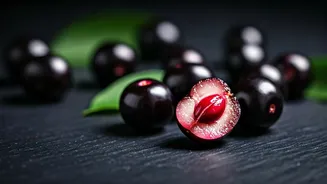
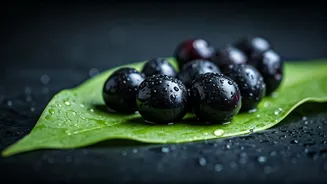
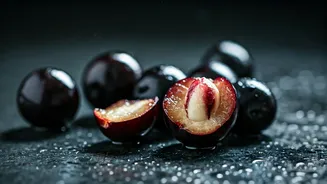
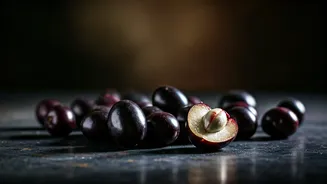
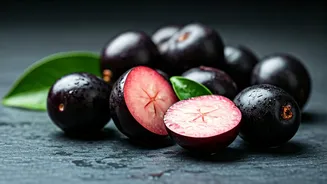
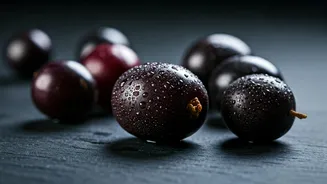
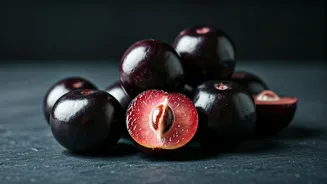
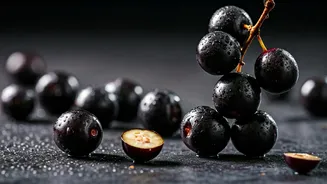
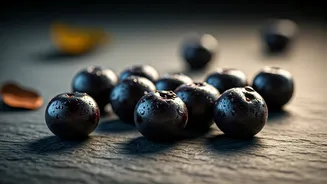
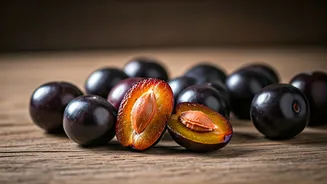
For generations of Indians, the arrival of Jamun (or Java Plum) signals the true beginning of summer. Sold in paper cones by street vendors, this deep purple, oblong fruit has a unique flavour profile—a sharp, sweet, and astringent taste that makes your
mouth pucker in the most delightful way. It’s the taste of childhood, of stained clothes, and of simple, seasonal joys. For years, that’s largely what it remained: a fond memory, a rustic treat. But a quiet revolution has been brewing, and this unassuming fruit is now stepping out from the shadow of nostalgia and onto the centre stage of wellness and modern cuisine.
More Than Just a Purple Stain
The primary engine driving the Jamun’s resurgence is a growing body of scientific evidence supporting what traditional medicine has long claimed. Jamun is a powerhouse of nutrients. It’s packed with Vitamin C and iron, but its true claim to fame lies in its potent antioxidant and anti-inflammatory properties, thanks to compounds like anthocyanins which give the fruit its dark colour. More significantly, Jamun has been extensively studied for its anti-diabetic effects. The seeds, in particular, contain jamboline and jambosine, compounds that are believed to help slow the rate at which sugar is released into the bloodstream and increase insulin levels. While it is not a cure, its low glycemic index and active compounds make it a popular recommendation for managing blood sugar levels, moving it from a simple fruit to a functional food.
From Street Side to Gourmet Plate
While health experts are celebrating its benefits, chefs are rediscovering its unique flavour. The same astringency that makes it a memorable snack also makes it a brilliant culinary ingredient, capable of cutting through richness and adding complexity. In India’s top bars, Jamun is the new star of craft cocktails, with Jamun-infused gin and vibrant purple margaritas becoming summer staples. In the kitchen, its pulp is being transformed into tangy sauces for grilled meats, vibrant sorbets, creamy cheesecakes, and artisanal jams. This culinary glow-up is crucial. It has introduced the fruit to a new generation and given it an aspirational quality that goes beyond its humble origins. It’s no longer just a fruit you eat by the roadside; it’s an ingredient you experience in a fine dining context.
A Taste of Modern Nostalgia
The Jamun revival is also part of a larger cultural shift. In an age of globalised food trends, there is a growing movement towards rediscovering and celebrating local, indigenous ingredients. Consumers are increasingly looking for foods that are not only healthy but also have a story and a connection to their heritage. The Jamun perfectly fits this narrative. It’s a taste of the past, but it’s being reinterpreted for the modern palate and lifestyle. This “new nostalgia” isn’t about recreating the past exactly as it was, but about taking the best of it—the flavours, the wisdom, the seasonality—and adapting it for our contemporary lives. Eating Jamun is no longer just a transaction; it's an act of connecting with both personal memory and a wider cultural identity.
How to Join the Jamun Revival
Getting reacquainted with Jamun is easy. When buying fresh, look for plump, firm fruits with a deep, uniform purple-black colour. Avoid any that are bruised, shrivelled, or discoloured. The simplest way to enjoy them is, of course, raw, perhaps with a sprinkle of black salt to balance the flavours. But don’t be afraid to experiment. You can de-seed and blend the pulp with yoghurt and a little honey for a quick smoothie, or freeze the pulp in ice cube trays to add a flavourful kick to water or lemonade. For a simple and refreshing drink, muddle a handful of deseeded Jamuns in a glass, top with soda water and a squeeze of lime for a non-alcoholic cooler that’s both delicious and healthy.