






The Data Behind the Domestic Shift
Recent findings from the Allianz Partners Global Travel Confidence Index 2026 highlight a significant trend: India leads the world in the preference for homegrown holidays. The study shows that 60% of Indian travellers are planning to holiday within the country,
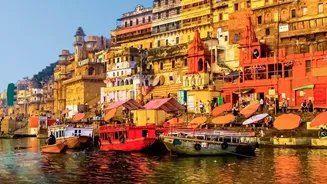
a figure substantially higher than the global average of 42%. This isn't a fleeting trend but a fundamental shift in mindset. While 87% of Indians plan to travel, a majority are choosing to look inwards, exploring the cultural and geographical richness within national borders. This growing preference suggests that domestic travel is no longer a compromise but a deliberate first choice for a large and growing segment of the population.
Why We're Choosing to Stay Closer
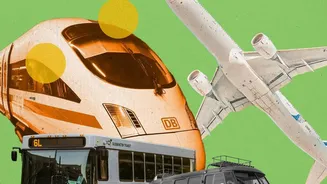
Several factors are driving this inward-looking travel boom. Rising costs and global geopolitical uncertainties are making many travellers rethink long-haul international trips. The Allianz survey noted that 83% of Indian travellers say that global instability and stricter border controls are influencing their destination choices. At the same time, the appeal of domestic travel has grown immensely. Improved infrastructure has made road trips, or 'drivecations', a popular option for journeys between 200 and 600 kilometres, often replacing short-haul flights. This is complemented by a deeper cultural shift, where exploring one's own country is seen as an enriching lifestyle choice, driven by a desire for new experiences and a break from routine.
The Renaissance of Regional Transport
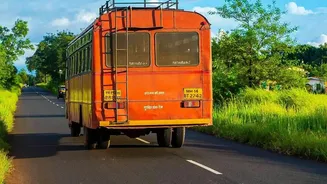
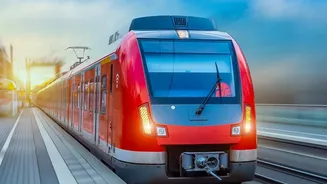
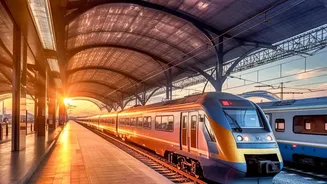
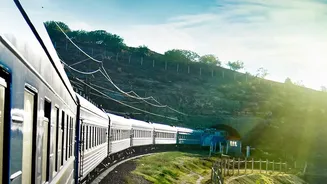
This pivot to domestic tourism places a significant new emphasis on India's regional transport network. With more people exploring destinations closer to home, the efficiency and comfort of trains, buses, and road networks become paramount. The Indian Railways, particularly with the introduction of the semi-high-speed Vande Bharat Express trains, is at the forefront of this transformation. These services have drastically reduced travel times between major cities and emerging tourist hubs, boosting local economies and making weekend trips more feasible. For instance, the Vande Bharat service to Kashmir has been credited with a significant surge in visitors, demonstrating the direct link between better connectivity and tourism growth. It’s a clear signal that the journey is becoming as important as the destination.
Infrastructure Answering the Call
The government's focus on infrastructure development appears well-timed to meet this rising demand. Initiatives like the Bharatmala Pariyojana are enhancing road connectivity, while the Vande Bharat network continues to expand, linking more cities with faster and more comfortable train services. In the skies, the Modified UDAN (Ude Desh ka Aam Nagrik) scheme is set to further bolster regional air connectivity. With an outlay of over ₹28,840 crore, the plan aims to develop 100 new airports from unserved airstrips and improve access to Tier-2 and Tier-3 cities, making previously remote areas more accessible. The number of operational airports in India has already grown from 74 in 2014 to 165 as of mid-2026, a testament to the ongoing push to connect every corner of the country.
What This Means for the Indian Traveller
For the average traveller, this convergence of preference and infrastructure spells opportunity. The rise of domestic tourism is unlocking new destinations, moving beyond traditional hotspots and encouraging the exploration of places rich in nature, heritage, and culture. Improved connectivity means that weekend getaways that once required extensive planning are now easily achievable. The growth in 'workations' and 'drivecations' points to a more flexible and spontaneous travel culture. As regional transport options become faster, more reliable, and more comfortable, the map of accessible India is being redrawn, empowering travellers to explore more, spend less time in transit, and invest their travel budgets in local economies and experiences.