




Imagine a city break where you return more rested than when you left. A new travel philosophy is gaining ground, swapping frantic sightseeing for slow, intentional experiences that focus on genuine recovery—and it might change how you vacation.
The Dawn of the Urban Recovery Holiday
For many,
the traditional city holiday is a blur of activity: early mornings, long queues, and a race to tick off as many landmarks as possible. The result is often a vacation that leaves you needing another one just to recover. Enter the 'urban recovery holiday', a travel trend gaining traction among those who are trading exhaustion for experience. The concept is simple: travel is no longer just about escaping daily life, but about actively feeling better. It's a shift from 'seeing it all' to 'experiencing it deeply', prioritising mental and physical wellbeing over a packed itinerary. Instead of conquering a city, the goal is to connect with it, and more importantly, with yourself.
Embracing the Luxury of a Slow Schedule
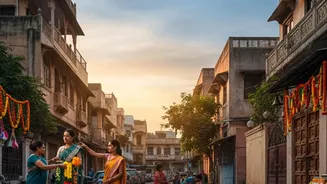
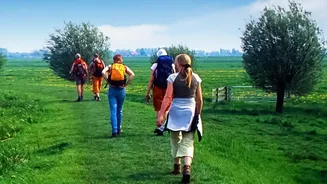
The core of this movement is the rejection of the rushed schedule. It’s about giving yourself permission to linger over a coffee, spend an afternoon in a park, or wander through a neighbourhood with no destination in mind. This 'slow travel' approach allows your nervous system to unwind from the constant 'go-mode' of modern life. Studies and travel experts note that this slower pace reduces stress and anxiety, improves sleep, and leads to a more profound sense of relaxation and happiness. By choosing to stay longer in one place, travellers can sync with the local rhythm, turning a trip into a genuine reset rather than a stressful sprint.
The Search for a Breath of Fresh Air
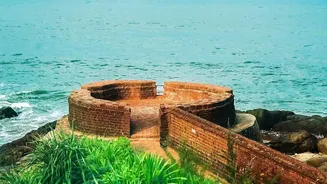
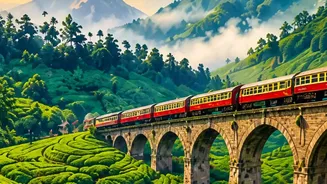
A key element of this trend is the conscious choice of environments that promote health. This includes seeking out cities with better air quality. For some travellers, especially those from heavily polluted metro areas, an 'urban recovery holiday' can be a literal escape for cleaner air. A recent survey showed that 95% of holidaymakers find experiences like clean air and time away from crowds appealing. This doesn't mean all cities are pristine, but it does mean travellers are prioritising destinations with abundant green spaces, pedestrian-friendly zones, and waterfronts. As cities worldwide invest in green infrastructure like parks, bike lanes, and 'low emission zones', they are not only improving life for residents but also becoming more attractive for wellness-focused tourism.
A Global Shift Towards Wellness
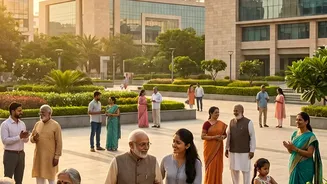
The urban recovery holiday is part of a larger global movement towards wellness. The wellness tourism market in India alone is valued at approximately USD 30.95 billion in 2026 and is growing rapidly. Travellers are increasingly asking, 'Can I come back healthier than when I left?' This has fueled demand for everything from yoga and meditation retreats to digital detoxes. The desire for personal wellness and growth is now a significant factor in travel planning, with a recent study finding that 77% of travellers consider it important. People are no longer content with a simple change of scenery; they want their time away to have a purpose, whether it's managing stress, improving sleep, or simply disconnecting from a hyper-connected world.
Planning Your Own Restorative Escape
Planning an urban recovery holiday is more about mindset than budget. Start by choosing a destination known for its relaxed atmosphere or green spaces—think of walkable neighbourhoods over sprawling metropolises. Consider 'second cities' like Bologna or Osaka, which offer rich culture with fewer crowds. Book accommodation with a kitchen to enjoy slow mornings or a trip to a local market. Instead of creating a rigid itinerary, make a short list of intentions. Perhaps your goal is to visit one museum and truly absorb it, or to find the best local park for reading. The key is to trade the pressure of 'doing' for the pleasure of 'being'.