


Gujarat: The Land of Garba and Grand Fasts
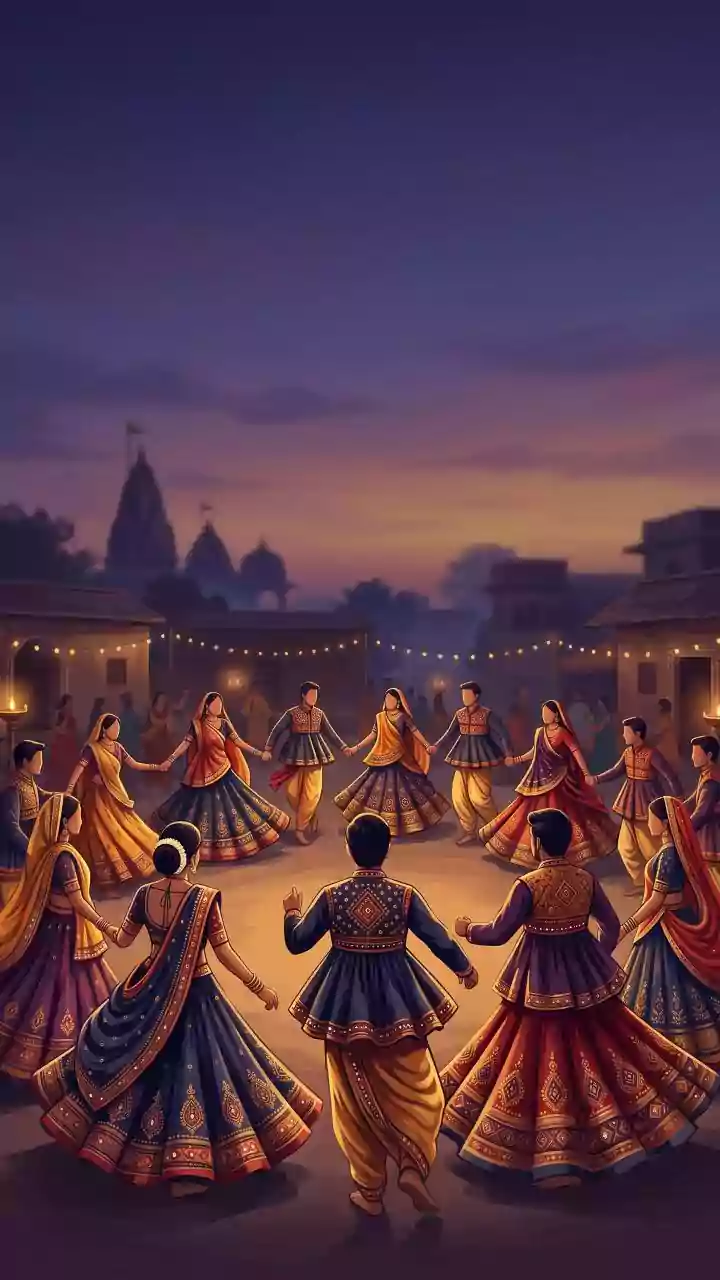
When you think of Navratri, chances are you picture the vibrant celebrations in Gujarat. The state transforms into a massive dance floor for nine nights, with communities gathering for Garba and Dandiya Raas. Garba is a graceful circular dance performed
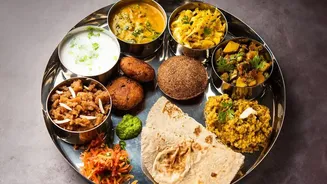
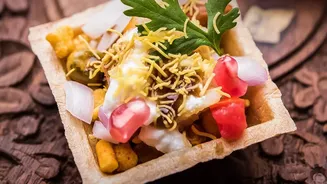
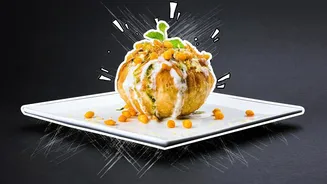
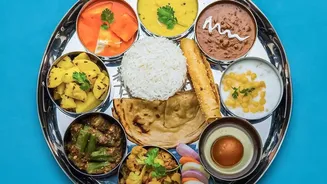
around a lit lamp, symbolizing the goddess's creative energy. Dandiya Raas is a more energetic dance where pairs strike decorated sticks in rhythmic harmony. The food here is deeply connected to fasting, or 'vrat'. Devotees abstain from grains, onions, and garlic. Instead, menus feature 'farali' food made from ingredients like sabudana (tapioca pearls), kuttu (buckwheat flour), and rajgira (amaranth). Dishes like sabudana khichdi, farali dhokla, and sweet potato chaat provide energy for the long nights of dancing.
West Bengal: The Spectacle of Durga Puja
In West Bengal and other eastern states, the festival is celebrated as Durga Puja, particularly during the last five days of Navratri. This is less about fasting and more about feasting. The celebration honours Goddess Durga's victory over the demon Mahishasura and is seen as the homecoming of a beloved daughter. The culinary landscape is rich and indulgent. While the community 'bhog' offered at pandals is vegetarian—usually featuring khichuri, labra (a mixed vegetable curry), and payesh—the festival is a paradise for non-vegetarians. Streets are lined with stalls selling everything from egg rolls to mutton curry and biryani, and families often prepare elaborate fish and meat dishes at home.
North India: Fasting, Faith, and Ramlila
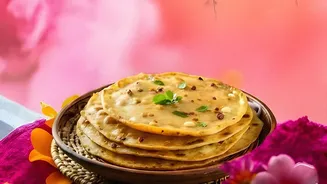
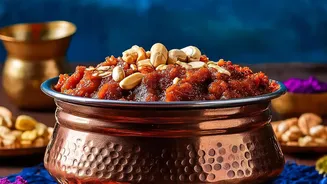
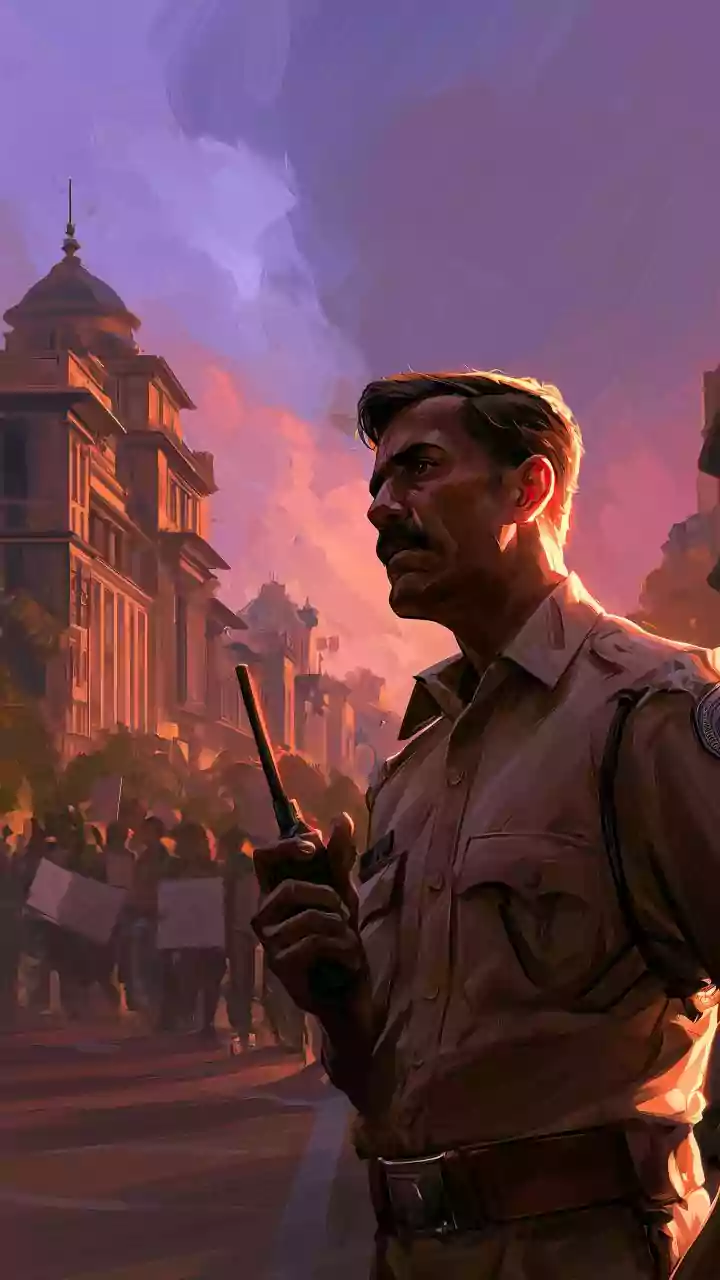
Across North India, including states like Uttar Pradesh, Delhi, and Punjab, Navratri is a period of deep devotion and dietary discipline. Many people observe a strict nine-day fast, avoiding grains, lentils, onion, and garlic. The fast-friendly cuisine, known as 'vrat ka khana', includes dishes made from buckwheat flour (kuttu puri), amaranth flour (rajgira), and tapioca pearls (sabudana). A key ritual is the 'Kanya Pujan' or 'Kanjak' on the eighth or ninth day, where nine young girls, seen as avatars of the goddess, are worshipped and offered a meal of halwa, poori, and black chickpeas. The evenings are often filled with the dramatic retelling of the Ramayana through 'Ramlila' performances, which culminate on Dussehra with the burning of Ravana's effigy.
Tamil Nadu: The Artistry of Golu
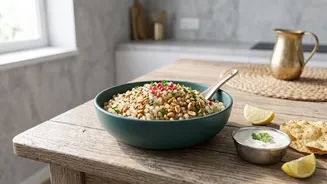
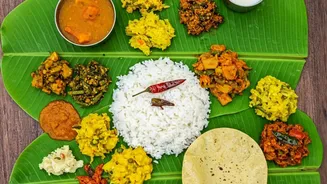
In the South, particularly in Tamil Nadu, Navratri takes on a unique artistic form with the 'Golu' or 'Bommai Golu' display. Families create an elaborate, tiered display of dolls and figurines on steps, which are usually odd in number. These displays narrate stories from Hindu mythology, depict court life, or showcase scenes from daily life, with dolls often passed down through generations. The Golu is a social event where friends and relatives visit each other’s homes to see the arrangements. Guests are offered 'sundal', a savoury preparation made from different boiled legumes and seasoned with spices and coconut, with a different type prepared for each of the nine days. The festival dedicates three days each to the worship of goddesses Lakshmi, Saraswati, and Durga.
Maharashtra: New Beginnings and Community
In Maharashtra, Navratri is considered a highly auspicious time for new beginnings, such as buying a new home or starting a business. A significant tradition is Ghatasthapana, the installation of a pot with a lamp inside, symbolizing life and creative energy. The festival also has a unique sartorial tradition where a specific colour is designated for each of the nine days. While fasting is observed by many, with sabudana khichdi being a popular dish, the celebrations are also marked by vibrant Garba and Dandiya nights, similar to Gujarat. Women play a central role, inviting friends over for 'Haldi-Kumkum' gatherings and exchanging small gifts like coconuts and betel leaves as a symbol of marital bliss.