



The Myth of 'From Scratch'
There's a quiet pressure many home cooks feel: the idea that a meal is only truly 'homemade' if every element is prepared from absolute zero. This means grinding your own spices, kneading your own dough, and simmering stock for hours. While these are wonderful
culinary pursuits, they are not practical for every meal, every day. The truth is, there is no 'cheating' in cooking. Even professional chefs use shortcuts to manage time and effort in their own kitchens. The goal of home cooking is to put a nourishing, delicious meal on the table for yourself and your loved ones. How you get there can and should be flexible. It’s about cooking smarter, not harder, and reclaiming the joy in the process rather than getting bogged down by an unrealistic standard of perfection.
Embrace Your Pantry Power-Ups
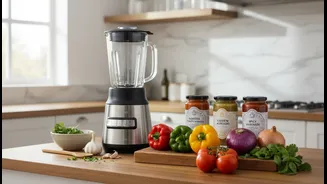
A well-stocked pantry is your first line of defence against the temptation of ordering takeaway. Having the right staples on hand makes assembling a meal much faster. For the Indian kitchen, this means more than just dal and rice. Think about ingredients that pack a punch with minimal effort. A jar of good quality ginger-garlic paste is a non-negotiable time-saver for countless Indian recipes. Canned chickpeas or kidney beans (chole and rajma) can be transformed into a hearty curry in under 30 minutes, saving you hours of soaking and boiling. Likewise, keeping ready-to-use purees, like tomato or tamarind, can streamline your cooking process significantly. And don’t underestimate high-quality, pre-mixed spice blends. While many chefs pride themselves on their own garam masala, there are excellent packaged options, like chaat masala, that even culinary experts recommend for a reliable flavour boost.
The Freezer Is Your Best Friend
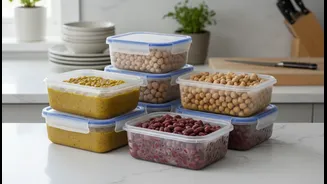
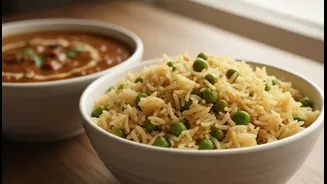
The freezer is not just for ice cream and forgotten leftovers; it's a powerful tool for meal prep. Batch cooking and freezing components is a game-changer for busy weeks. Spend some time on the weekend preparing and freezing staples. Cook a large batch of rice or quinoa and freeze it in portion-sized bags for quick use. Chop onions, green chillies, and coriander, and freeze them in small containers. Pre-marinating chicken or paneer and freezing it creates ready-to-cook meal kits. Many Indian flatbreads, like parathas, freeze beautifully. You can also freeze leftover coconut milk or herb pastes in ice cube trays for easy additions to future curries. Using frozen vegetables like peas (matar) or corn is another fantastic shortcut that saves on chopping time without a major sacrifice in nutrition.
When Store-Bought Is a Smart Choice
The phrase “store-bought is fine” has been a liberating mantra for home cooks globally, and it’s time we fully embraced it in the Indian context. There are many high-quality prepared products that can serve as a fantastic base for a homemade meal. A good quality rotisserie chicken can be shredded for sandwiches, added to a quick curry, or used in a salad. Ready-made dosa or idli batter saves time and effort, making a wholesome South Indian breakfast achievable on a weekday morning. Packaged paneer is another excellent example; it’s a convenient protein that’s ready to be cubed and added to dishes like palak paneer or paneer butter masala. Jarred curry pastes and sauces can also be a lifesaver on particularly hectic nights. You can elevate them by adding fresh vegetables, a protein of your choice, and a garnish of fresh coriander to make the dish your own.
Redefining Your Cooking Strategy
Ultimately, letting go of the 'all-or-nothing' approach is key. A meal doesn't have to be 100% from scratch or 100% from a packet. The most sustainable and enjoyable approach is often a hybrid one. Think of it as 'semi-homemade'. Perhaps you use a store-bought pasta sauce but elevate it with fresh garlic, herbs, and roasted vegetables. Maybe you buy pre-made roti but cook a flavourful dal and sabzi from scratch to go with it. Focus your energy where it matters most to you. If you love the process of making fresh pasta, spend your time there and use a quality jarred sauce. If you find joy in creating a complex curry base, do that, but don't feel guilty about using frozen chopped onions to get started. The kitchen should be a place of creativity and nourishment, not stress and guilt.