

The Original Indian Superfood
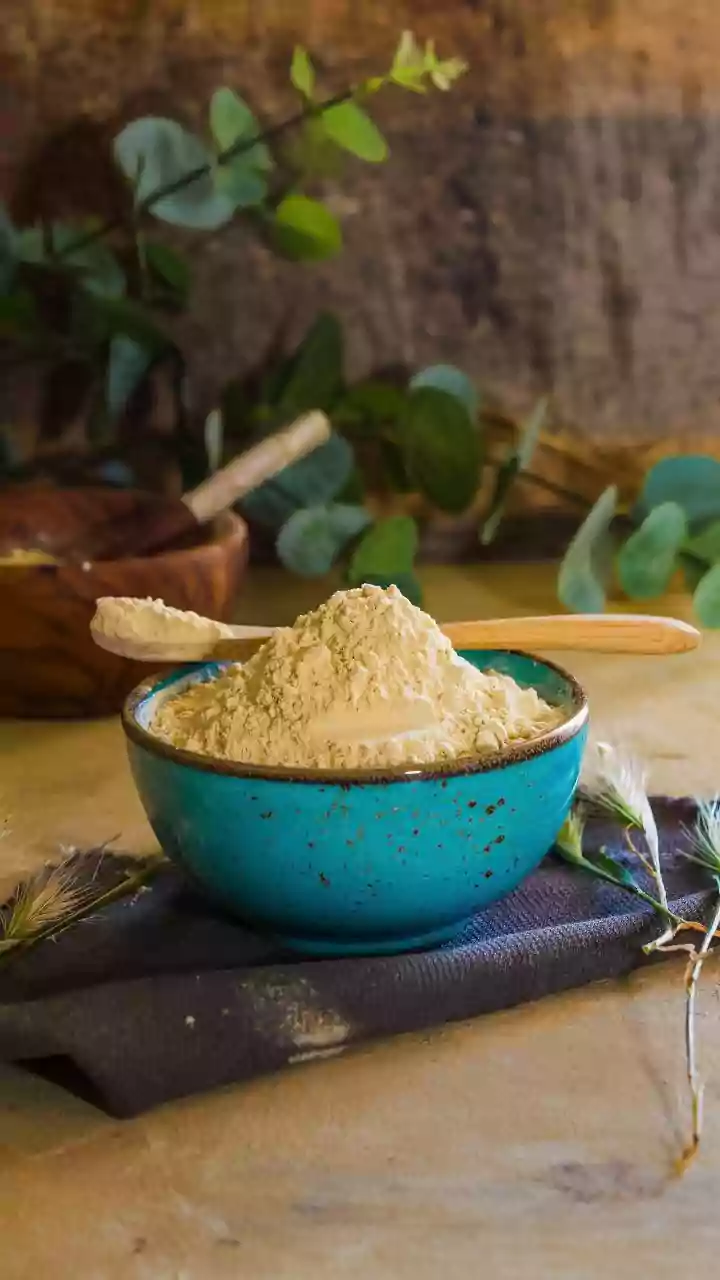
Sattu is a flour made from roasted pulses and cereals, most commonly Bengal gram (kala chana). For centuries, it has been a staple food in states like Bihar, Jharkhand, and Uttar Pradesh, prized for its long shelf life and incredible nutrient density.
The traditional roasting process not only imparts a unique nutty flavour but also makes the nutrients within the flour easier for the body to absorb. Long considered a source of instant energy for farmers and labourers, this powerhouse ingredient is now being rediscovered by the urban fitness community for its impressive health benefits.
A Nutritional Powerhouse
The reason for sattu's resurgence lies in its stellar nutritional profile. A 100-gram serving packs around 20-25 grams of plant-based protein, making it an excellent resource for muscle repair and growth, especially for vegetarians and vegans. It's also incredibly rich in dietary fibre, which promotes satiety, aids digestion, and helps you feel full for longer, curbing unhealthy mid-morning snack cravings. Furthermore, sattu has a low glycemic index, meaning it releases energy slowly and steadily, preventing the sugar crashes associated with many processed breakfast cereals. It is also loaded with essential minerals like iron, magnesium, and calcium, which are vital for energy production, bone health, and muscle function.
The Perfect Fitness Fuel
For anyone leading an active lifestyle, sattu is nearly a perfect food. Its combination of high-quality protein and complex carbohydrates makes it an ideal post-workout meal. The protein helps to repair the micro-tears in muscles that occur during exercise, while the carbs work to replenish depleted glycogen stores, speeding up recovery and reducing soreness. Consuming it as a breakfast also sets you up for a day of sustained energy, helping to power through workouts and daily tasks without fatigue. The high fibre content not only aids in weight management by keeping you full but also supports a healthy gut, which is crucial for overall nutrient absorption.
Why a Smoothie Bowl?
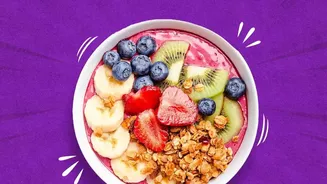
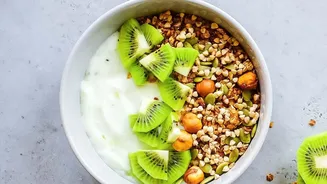
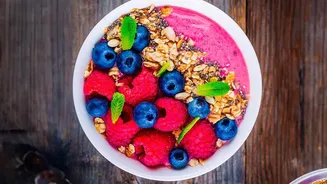
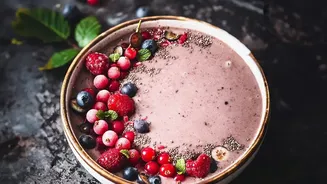
While a traditional sattu drink (sharbat) is quick and hydrating, transforming it into a smoothie bowl elevates it from a simple drink to a complete, satisfying meal. Blending sattu with a liquid base like milk, plant-based milk, or yogurt creates a thick, creamy texture that is more substantial. Pouring this into a bowl allows you to add a variety of toppings—fresh fruits, nuts, seeds, and granola—which contribute extra vitamins, healthy fats, and satisfying crunch. This not only makes the breakfast more enjoyable but also more nutritionally diverse, turning a quick energy drink into a well-rounded meal that feels indulgent yet is incredibly healthy.
Crafting Your Sattu Smoothie Bowl
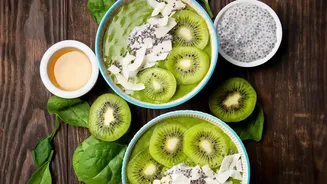
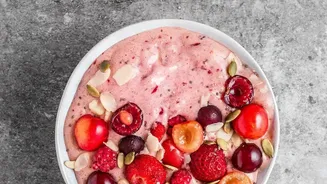
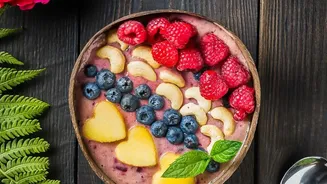
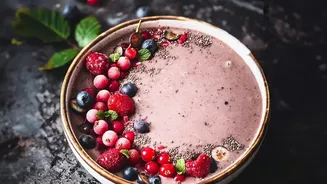
Creating your own sattu smoothie bowl is simple and highly customisable. Start with a base of 2-3 tablespoons of sattu flour. Blend it with one cup of liquid (dairy milk, almond milk, or yogurt work well) and a ripe banana for natural sweetness and a creamy consistency. From there, you can add a teaspoon of honey or jaggery if desired, along with a pinch of cardamom or cinnamon for flavour. Once blended to a thick, smooth texture, pour it into a bowl. Finish by garnishing with your favourite toppings, such as sliced almonds, walnuts, chia seeds, flax seeds, or fresh berries for an extra boost of antioxidants and texture.