



1. The Layered Gallery Wall
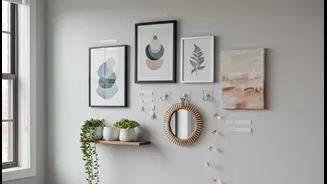
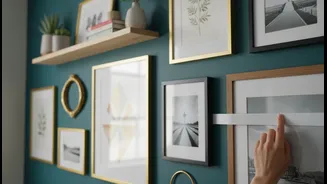
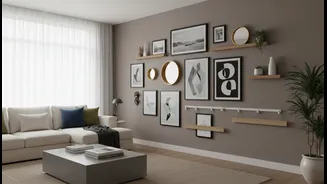
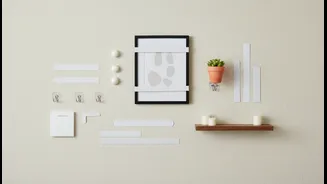
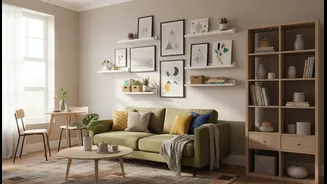
A gallery wall adds instant character, but the thought of hanging multiple frames can be daunting. Instead of a single type of hanger, combine different adhesive products for a more dynamic and secure display. Use heavy-duty picture-hanging strips for your
largest, central frame; these often come with interlocking sides that click together for a strong hold. For smaller, lighter frames, use smaller strips or even single adhesive hooks. This combination approach allows you to distribute weight effectively and play with the arrangement. Plan your layout on the floor first, mixing sizes and orientations. Start by hanging your anchor piece and build outwards. This method gives you the classic gallery look that is indistinguishable from a nailed-in version, with the flexibility to change it up whenever you wish.
2. The Lightweight Grid System
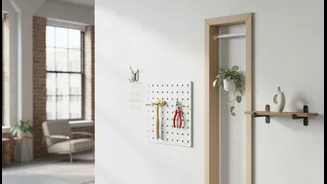
For a versatile and modern display, create a grid system. Purchase a lightweight metal grid panel. Instead of drilling it into the wall, mount it using four or more heavy-duty adhesive hooks, one placed near each corner. Ensure the hooks you choose are rated to hold the weight of the grid itself. Once the grid is securely mounted and the adhesive has had time to cure, you have a multi-functional canvas. You can then use small clips, bulldog clips, or even tiny clear hooks to attach photos, postcards, small prints, and lightweight string lights. This combination of hooks and clips allows you to create an evolving display that is perfect for a home office or living area, all without a single point of direct damage to the wall.
3. The Fabric Feature Wall
A large piece of fabric, like a tapestry or a beautiful textile, can serve as a dramatic, temporary feature wall. While a single hook might work for a small macrame piece, hanging a large, wide textile requires a different approach. Combine a lightweight curtain rod or dowel with removable hooks designed to hold more weight. Place two or three strong adhesive hooks in a level line, hang the rod on them, and then drape your fabric over the rod. For a tauter, wallpaper-like effect, you can also use specialty fabric-friendly adhesive strips or velcro strips along the top and bottom edges to secure the textile smoothly against the wall. This technique adds colour, texture, and warmth, completely transforming a room without the commitment of paint or wallpaper.
4. The Adhesive Floating Shelf Display
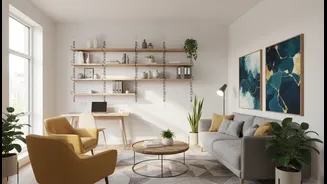
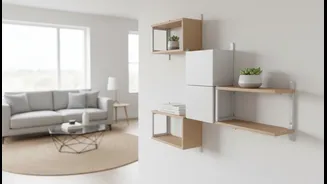
Traditional floating shelves require drilling and wall anchors, making them a no-go for many renters. However, you can achieve a similar look by combining multiple damage-free products. Opt for very lightweight picture ledges or small floating shelves specifically designed for adhesive mounting. These are not meant for heavy books, but they are perfect for displaying small decorative objects, succulents, or a few cherished photos. For a more robust setup, you can find adhesive shelf brackets rated to hold a few kilograms. By combining a lightweight shelf board with several high-strength adhesive mounting strips or brackets distributed evenly underneath, you can create a surprisingly stable surface. Always check the weight limits of the adhesive products and the shelf itself to prevent accidents.
5. The Vertical Indoor Garden
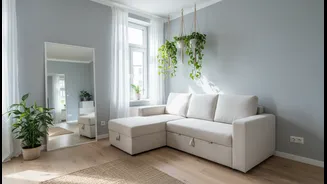
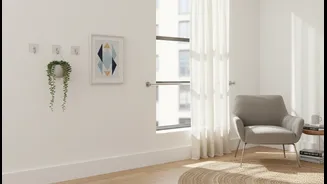
Bring the outdoors in by creating a living wall of climbing plants. This is easily achieved by combining small, clear adhesive hooks with the natural tendencies of vining plants like pothos (money plant) or philodendrons. Plan a path for your plant to follow up the wall—be it a simple vertical line, a zig-zag pattern, or framing a doorway. Place the clear adhesive hooks at strategic points along this path. As the plant grows, gently guide the vines and tuck them into the hooks. The hooks are virtually invisible and allow you to train the foliage into a beautiful, green design. This combination of living decor and discreet mounting technology creates a stunning, organic feature that adds life to any room and comes off cleanly when it’s time to move.