





The Fresh Squeeze Advantage
The primary reason to choose freshly squeezed juice is flavour. Bottled juices, especially those from concentrate, can be overly sweet and lack the bright, zippy notes of real fruit. They also may contain preservatives or artificial flavours that can interfere
with the final taste of your dessert. Fresh juice provides a more complex, natural sweetness and a tangy acidity that can balance rich ingredients like butter and sugar. Furthermore, when you juice your own oranges, you also get access to the peel, which is packed with aromatic oils. Zesting the orange before you juice it is a crucial step for capturing the complete, fragrant essence of the fruit.
The Science of Citrus in Batter
Adding fresh orange juice to a cake batter does more than just add flavour; it changes the chemistry of your dessert. The natural acidity in orange juice reacts with leavening agents like baking soda, producing carbon dioxide that helps make the cake rise and creates a more tender crumb. This acidity can also tenderize gluten, resulting in a softer texture. However, it's a delicate balance. Too much acid can sometimes cause a cake to set too quickly or interfere with browning. Most sweet orange juice has a lower acidity than lemon juice, making it a bit more forgiving to work with in batters. For a vibrant colour, some bakers even add a tiny pinch of turmeric to orange cakes, which enhances the yellow hue without affecting the flavour.
Perfect for Cakes and Loaves
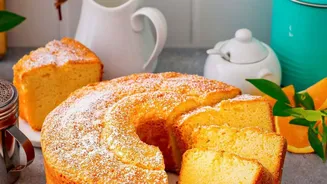
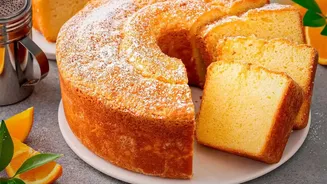
Orange juice is a classic ingredient in many cakes, from simple pound cakes to elaborate layer cakes. Using fresh juice ensures a moist and flavourful crumb that tastes genuinely of citrus. In recipes, you can often substitute milk or water with an equal amount of fresh orange juice. When doing so, you might want to slightly reduce the sugar in the recipe, as fresh juice contains natural sugars. Always make sure your juice is at room temperature before adding it to the batter to ensure it mixes in smoothly. Don't forget to add the zest along with the fat (like butter or oil) to help carry its aromatic flavour throughout the cake.
Creating Silky Curds and Creams
Beyond cakes, fresh orange juice is the star of the show in desserts like orange curd. A homemade curd is luxuriously smooth, creamy, and packed with bright flavour—far superior to any store-bought version. Making it involves gently cooking fresh juice, zest, sugar, eggs, and butter until thickened. It’s essential to whisk constantly over low heat to prevent the eggs from scrambling. For an extra-smooth texture, you can strain the curd through a fine-mesh sieve after cooking. This luscious curd can then be used as a filling for tarts, layered in cakes, swirled into yogurt, or simply spread on scones.
Simple Glazes and Soaking Syrups
One of the easiest ways to incorporate fresh orange flavour is with a glaze or syrup. A simple glaze can be made by whisking powdered sugar with fresh orange juice and zest until you reach a smooth, pourable consistency. This can be drizzled over bundt cakes, cookies, or sweet breads for a beautiful finish and a pop of citrus. For an even deeper flavour, you can create a soaking syrup. While a cake is still warm, you can poke holes in its surface and pour over a mixture of orange juice and granulated sugar. The warm cake absorbs the syrup, making it incredibly moist and fragrant from the inside out.