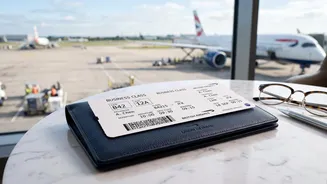







Planning a holiday getaway? You are not alone. But this year, flying to your destination might be tougher on your wallet. A perfect storm of factors means higher ticket prices and fewer available flights for the upcoming festive season.
Why Your Ticket Costs More This Year
The primary driver
behind rising airfares is the surging cost of jet fuel, one of the biggest expenses for any airline. Globally, fuel prices have been volatile, and carriers are passing this extra cost on to passengers. This is compounded by strong, persistent travel demand. With holiday leave and school vacations aligning, millions of people are trying to fly on the exact same days in late December. Airlines use a system of fare 'buckets', releasing the cheapest seats months in advance. By late November, most of these cheaper buckets for Christmas and New Year's travel are already sold out, leaving only the most expensive seats available. Industry analysts note that festive season airfares for 2026 are estimated to be 25-30% higher than last year, making travel more difficult for price-sensitive customers.
Where Did All The Flights Go?
It's not just your imagination; there are genuinely fewer flights to choose from. For November and December 2026, Indian airlines have scheduled over 7,100 fewer domestic flights compared to the same period in 2025, which translates to about 117 fewer flights each day. This reduction is a direct response to higher operating costs and, in some areas, a softening of demand outside of the peak holiday rush. The Air India group has made significant cuts, and SpiceJet has also slashed its schedule. While the overall number of available seats hasn't dropped as dramatically—thanks to airlines using larger aircraft on busy routes—the reduction in flight frequency means less choice for travellers, especially on routes with less competition.
Strategy 1: Be Flexible With Your Dates
The single most effective way to save money is to be flexible with your travel dates. Flying during the absolute peak, such as December 19-23 and December 26-30, can carry fares more than double the normal price. If your schedule allows, consider flying on the days with the lowest demand. Early morning flights on Christmas Day (December 25) and late evening flights on New Year's Eve (December 31) are significantly cheaper because most people prefer to arrive earlier. Shifting your departure to just a day or two outside the peak window, such as flying out between December 15-17 or returning after January 5, can save a substantial amount per ticket. Using a 'flexible date' search option on booking websites will show you just how much prices can vary from one day to the next.
Strategy 2: Book As Soon As Possible
If your travel dates are fixed, the best advice is to book immediately. Holiday flight prices almost never get cheaper closer to the departure date. Data shows that the 'sweet spot' for booking Christmas flights at their lowest prices is typically 45 to 60 days in advance—a window that, for this year, was in early to mid-November. After December 1, most of the lower-fare buckets are gone. If you are still planning, waiting longer will likely only result in higher prices as the remaining seats are sold. The price you see today is probably the best you are going to get.
Strategy 3: Broaden Your Search
Thinking beyond your usual airline or airport can unlock significant savings. Be sure to compare prices across multiple platforms like Skyscanner, Google Flights, and others, as fares can differ for the same flight. For popular destinations with more than one airport, like Goa (Mopa vs Dabolim), check fares for both, as there can be a surprising price difference. Also, don't rule out connecting flights. While a direct flight is more convenient, a one-stop itinerary, often through a Middle Eastern or European hub, can be hundreds or even thousands of rupees cheaper. Finally, look at different carriers; while major airlines are cutting back, a newer player like Akasa Air has actually expanded its schedule for the winter.