


Celebrities Lead the Charge
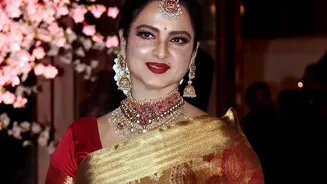
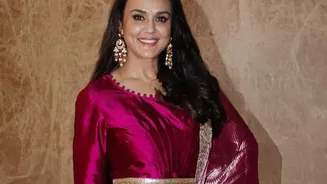
The most visible shift is happening on the red carpet and beyond, with top Bollywood celebrities proudly repeating their outfits. Alia Bhatt, for instance, made a powerful statement by re-wearing her Sabyasachi wedding saree to accept a National Award,
urging fans to 're-wear, repeat and recycle'. Similarly, Deepika Padukone has been spotted on multiple occasions re-styling her favourite pieces, from an Anamika Khanna creation to a signature red dupatta. This move by influential figures normalises the practice, sending a clear message that a beautiful outfit deserves more than a single outing. It proves style isn't about novelty, but about loving what you own.
A Statement of Confidence, Not Compromise
For years, the pressure to have a new outfit for every wedding function, festival, and party was immense, fueled by social media's endless scroll. This created a 'fear tax', where women felt compelled to buy new clothes just to avoid the comment, 'You wore this before'. The new trend of repeat wear flips this narrative. It's no longer seen as a compromise but as a sign of supreme confidence. It signifies a person who knows their personal style and has invested in pieces they genuinely love. True elegance comes from knowing what works for you, not from an endless parade of newness. This mindset celebrates quality over quantity and personal taste over fleeting trends.
The Smart Economics of a Sustainable Wardrobe
Beyond confidence, practicality is a major driver of this trend. The concept of 'cost-per-wear' is gaining traction, encouraging a smarter way of shopping. An expensive lehenga worn once has a high cost-per-wear, but if styled differently and worn multiple times, its value increases significantly. This thinking promotes investing in versatile, high-quality garments rather than fast-fashion pieces that don't last. In a country with a packed social calendar of weddings and festivals, this approach is both economically and environmentally sensible. The Indian wedding industry alone drives enormous apparel spending, and shifting towards repeat wear can significantly reduce both financial strain and textile waste.
Making Your Wardrobe Work for You
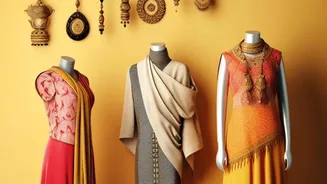
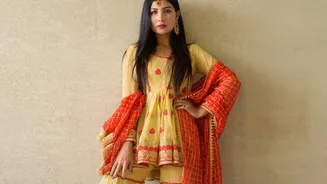
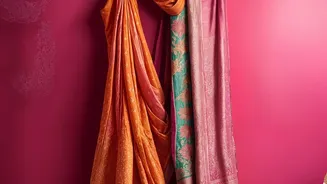
The beauty of Indian wear, in particular, is its inherent versatility. A single kurta set can be transformed with a few simple tricks. Swapping a heavy Banarasi dupatta for a light chiffon one can take a suit from festive to casual. Pairing a kurta with different bottoms—like palazzos, cigarette pants, or even jeans—creates entirely new silhouettes. Accessories also play a starring role; changing from heavy jhumkas to minimalist studs, or adding a belt to cinch the waist of an Anarkali, can refresh a look instantly. This creative approach to styling makes fashion a fun, expressive act rather than a consumptive one.
A Deeper Shift Towards Mindful Consumption
The rise of repeat wear is part of a larger global movement towards sustainable and conscious fashion, which has found fertile ground in India. With a rich history of handloom textiles and artisan crafts, there is a growing appreciation for clothes that are made to last. Consumers, particularly younger generations, are increasingly asking where their clothes come from and demanding more transparency from brands. This shift is not just about re-wearing what you have, but about buying better, valuing craftsmanship, and building a wardrobe that reflects personal values, not just passing trends.