







The Search for Meaningful Moments
For a growing number of young Indians, the weekend is no longer just a break from work; it's an opportunity for personal investment. Instead of exclusively opting for parties or binge-watching, many are now spending their time and money on experiences
that offer more than simple escapism. [5, 6] This shift is driven by a desire for memories over material possessions and a search for genuine emotional satisfaction. [5, 10] The focus is moving away from simply having fun to engaging in activities that provide personal growth, mental wellness, and a sense of accomplishment long after the weekend is over. [6, 10] This reflects a deeper change where a well-lived life is defined not by what you own, but by what you experience. [5]
What 'Purposeful' Actually Looks Like
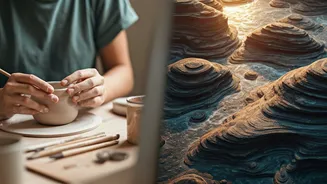
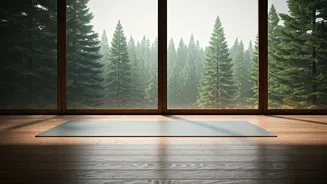
The definition of a purposeful weekend is broad and personal, but several clear trends have emerged. Wellness retreats focusing on yoga, meditation, and digital detox are booming as a response to corporate burnout and digital overload. [14, 16, 20] Many young professionals are signing up for weekend workshops to learn new skills, from pottery and creative writing to coding and digital marketing. [9, 13, 19] Another significant trend is purpose-driven travel, which includes volunteering for short-term community projects, participating in environmental clean-ups, or staying at eco-conscious properties. [2, 6, 11] These activities provide a tangible sense of contribution and a deeper connection to local communities and the environment. [6, 11]
The Drivers Behind the Shift
Several factors are fuelling this move towards meaningful weekends. High-pressure jobs and constant digital connectivity have left many feeling drained, creating a strong need for activities that genuinely recharge the mind and body. [16, 20] There is also a growing consciousness about mental and emotional well-being, with travel and new experiences seen as a proactive way to manage stress. [6, 8] Furthermore, social media plays a dual role; while it can create pressure, it also serves as a platform for discovering unique experiences and inspiring others to seek more from their leisure time. [5, 10] The pandemic also played a role, reminding many of the importance of real-world connections and self-development. [5, 6]
From Solo Trips to Community-Led Activities
This trend manifests in both individual and group settings. Solo travel, once uncommon, has surged in popularity, with a high percentage of Gen Z and millennials planning individual trips to relax and recharge. [3, 4, 7] This reflects a growing desire for independence and self-discovery. [12] At the same time, there is a strong pull towards community. Group workshops, trekking clubs, and volunteer travel create spaces for like-minded people to connect. [9, 12] Platforms are emerging to connect travellers with hosts for skill-exchange stays, making meaningful travel more accessible and affordable. [18, 21] This 'solo yet social' paradox highlights a generation's need for both personal freedom and meaningful connection. [12]
More Than a Fleeting Trend
While it might be easy to dismiss this as another social media-driven fad, the underlying motivations suggest a more permanent cultural shift. This generation is proactively seeking balance, purpose, and emotional fulfilment in a fast-paced world. [5] They are investing in themselves, their skills, and their well-being. [10] This redefinition of leisure has significant implications, creating new markets for wellness tourism, experiential learning, and sustainable travel. [16, 25] As young Indians continue to prioritise purpose over passive consumption, the way they spend their weekends will not only shape their own lives but also the future of the country's lifestyle and travel industries.