


A Glimpse into the Cosmic Dawn
Imagine the universe shortly after the Big Bang, about 13.8 billion years ago. It was a dark, foggy place, filled with a neutral hydrogen gas that blocked light. This period, before the first stars ignited to illuminate the cosmos, is what astronomers
call the 'cosmic dawn'. For years, scientists have built sophisticated models to predict what this era was like. These models suggested that the first stars—often called Population III stars—were massive, incredibly hot, and lived short, dramatic lives. They also predicted that these stars would clump together quickly, forming the seeds of the first galaxies and ancient star clusters. The problem was a lack of direct evidence; we couldn't see it for ourselves.
Webb’s Powerful Infrared Eyes
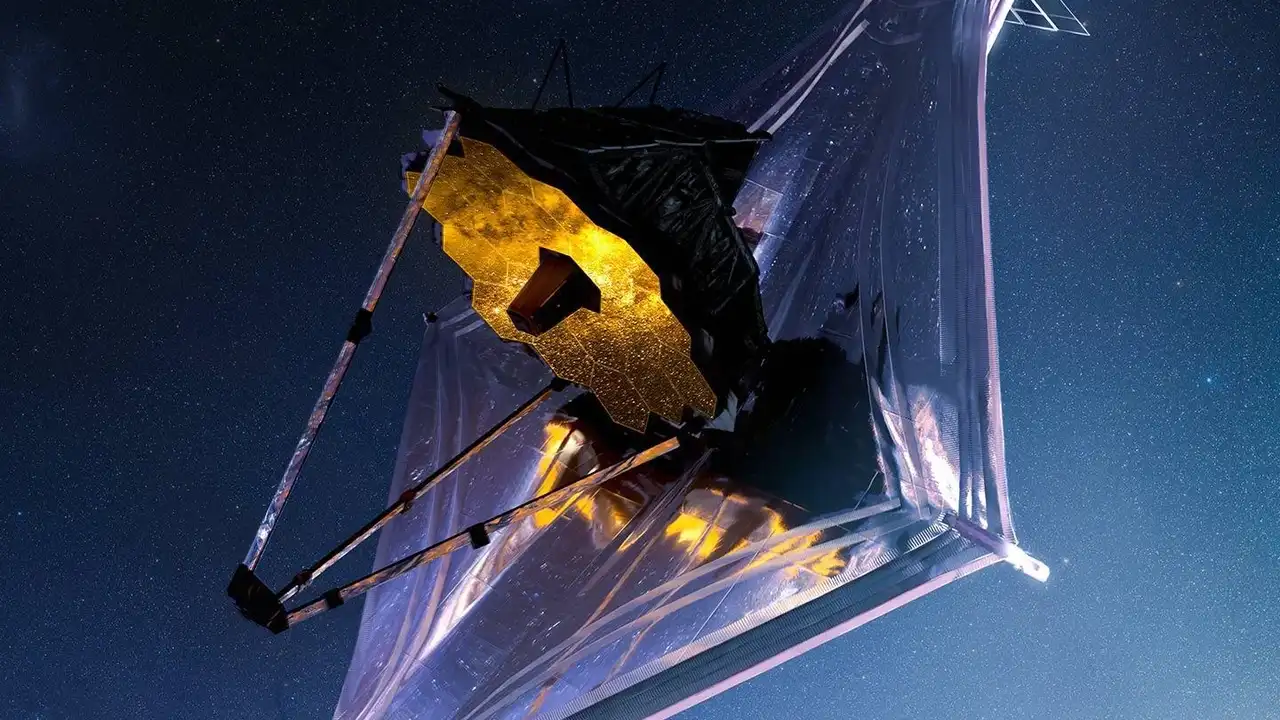
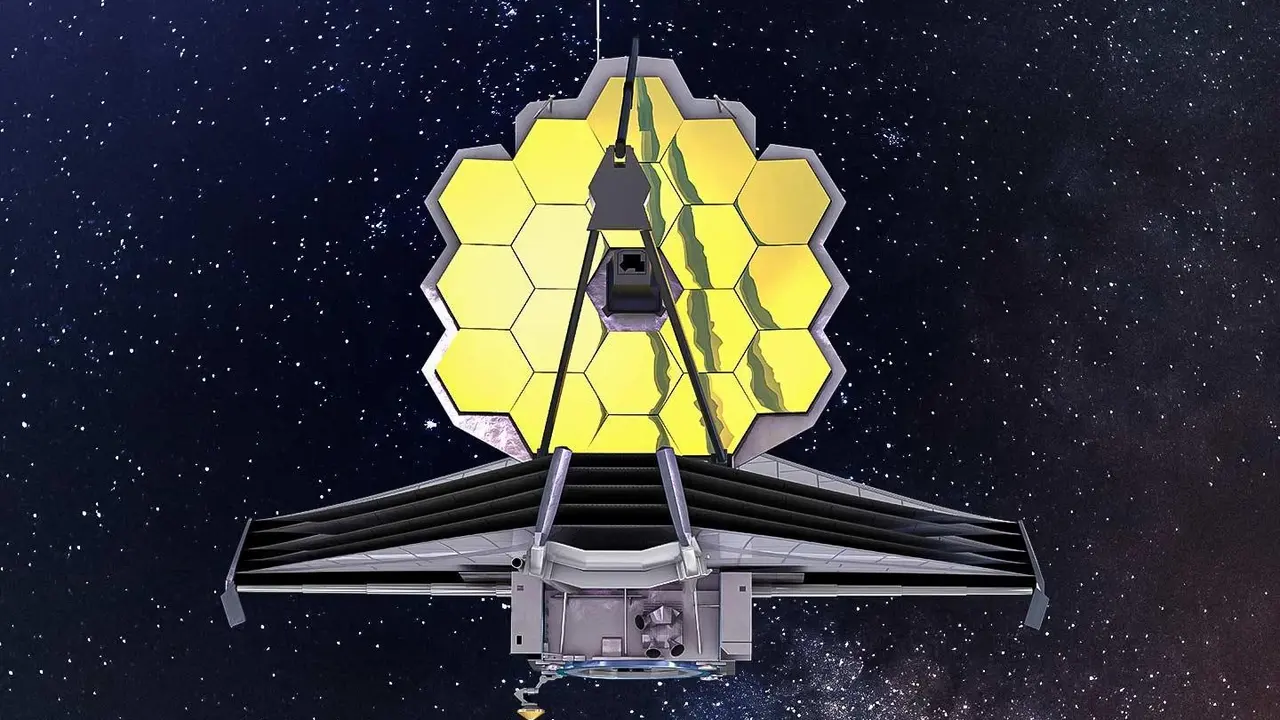
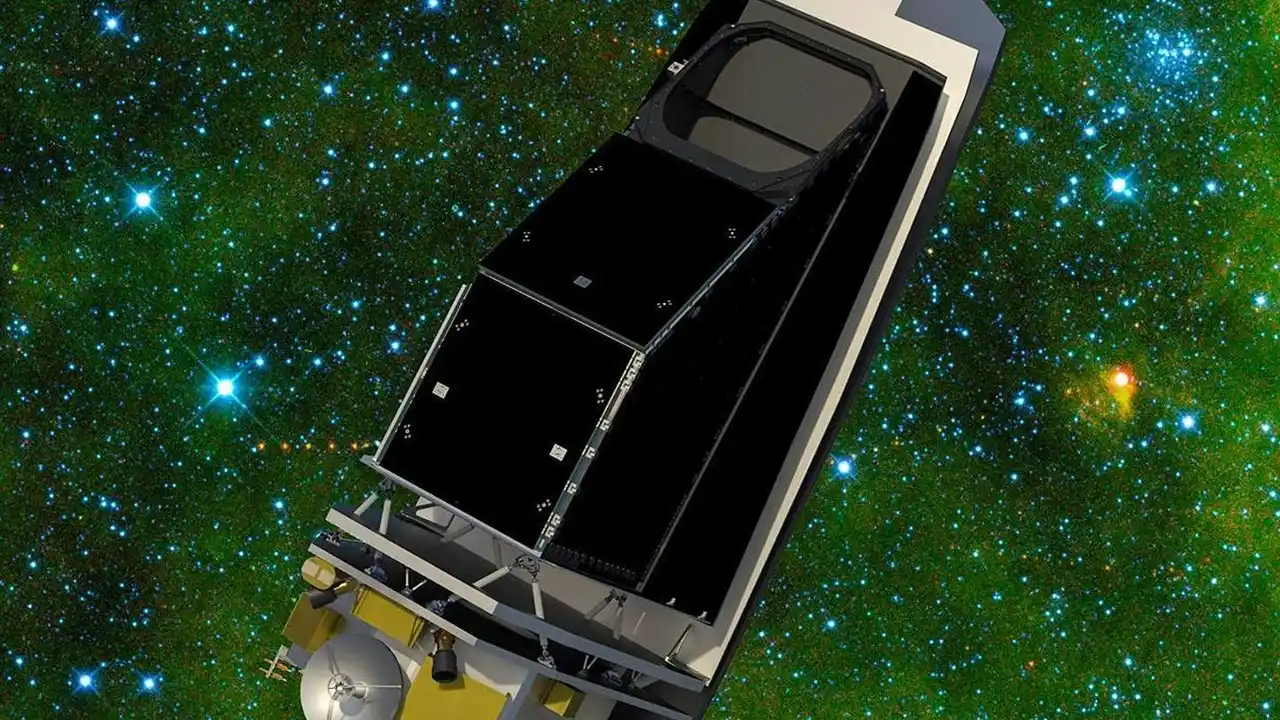
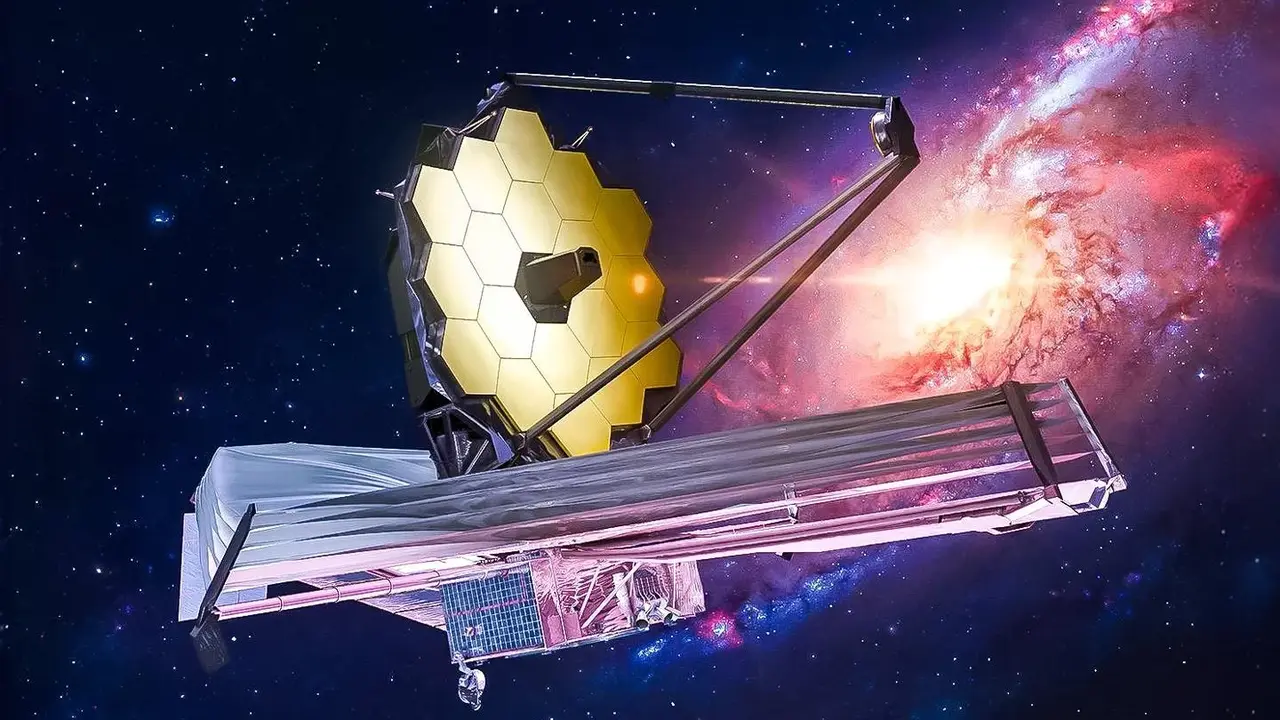
This is where the James Webb Space Telescope changes everything. Its power lies in its ability to detect infrared light. As the universe expands, light from the most distant (and therefore oldest) objects gets stretched out, shifting from visible and ultraviolet light into the infrared spectrum. Human eyes can't see this light, but Webb's massive mirror and sensitive instruments were specifically designed to capture it. This capability effectively allows the telescope to peer back in time, past the cosmic fog, and witness the era when the very first galaxies were beginning to shine. Before Webb, we had powerful tools like the Hubble Space Telescope, but they couldn't see this far back with such clarity.
Finding the Universe’s Oldest Star Clusters
One of the most compelling pieces of evidence from Webb concerns globular clusters. These are ancient, dense spheres packed with millions of stars. In our own Milky Way, globular clusters like Messier 92 contain some of the oldest known stars, dating back 12 to 13 billion years. Astronomers have long believed these clusters are like fossils from the early universe. In one of its first deep field images, Webb spotted something remarkable around a distant galaxy nicknamed 'the Sparkler'. The 'sparkles' appear to be some of the most distant and oldest globular clusters ever discovered, existing when the universe was just a fraction of its current age. Finding these mature star systems so early provides direct, observational proof that star formation happened rapidly and efficiently, just as models predicted.
Confirming a Violent, Busy Youth
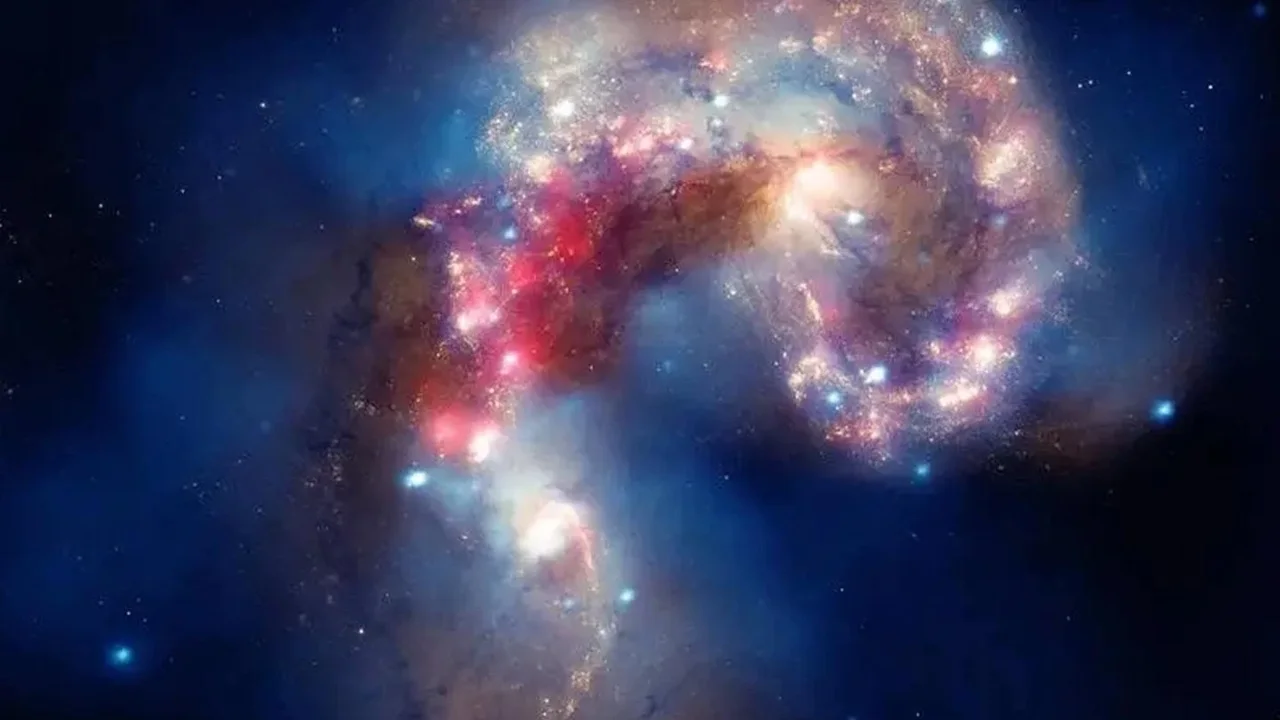
The evidence goes beyond just single clusters. Webb's observations have revealed that the early universe was a surprisingly busy and complex place. Scientists have found galaxies undergoing bursts of intense star formation, far more vigorous than many expected. Almost every distant galaxy Webb finds shows signs of creating massive, hot stars at a furious pace. Furthermore, Webb is providing unprecedented views of early black holes and galaxy mergers, processes that are deeply intertwined with star formation. Recent findings show pairs of supermassive black holes in merging galaxies just over a billion years after the Big Bang, suggesting that the structures shaping the cosmos today were already falling into place very early on. This torrent of data helps confirm that the early universe was not a quiet place, but a chaotic factory for building the first stellar and galactic structures.
From Abstract Theory to Tangible Proof
For cosmologists, the difference between a strong theory and observational evidence is everything. Webb is closing that gap. While some findings have been surprising, they largely reinforce the fundamental ideas of how cosmic structures grew. Rather than overturning our understanding of the universe, Webb's discoveries are adding rich, specific details and replacing long-held assumptions with hard data. For the first time, astronomers can move beyond simulations and test their models against actual observations of the universe's infancy. This transition from theory to observed reality marks a monumental step forward in our quest to understand our cosmic origins, providing stronger-than-ever support for our timeline of how stars, galaxies, and the universe itself evolved.