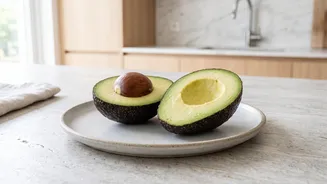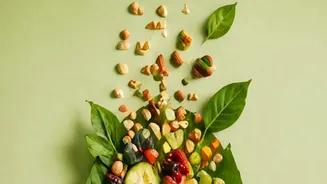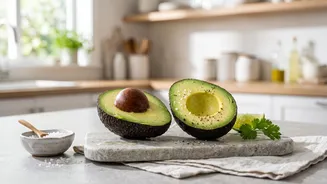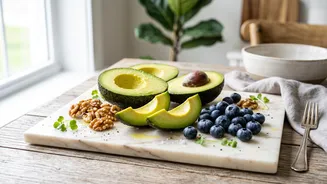



Long celebrated for its creamy texture and rich taste, the avocado is more than just a trendy toast-topper. Emerging science reveals this unique fruit packs a powerful punch for both cardiovascular and cognitive wellness. Let's look closer.
The Heart of the Matter
When it comes
to heart health, the conversation often turns to fats, and avocados are a stellar example of 'good' fats at work. The majority of fat in an avocado is monounsaturated fat, specifically oleic acid, the same type found in olive oil. This type of fat plays a crucial role in managing cholesterol levels. Studies have shown that regular avocado consumption, as part of a balanced diet, can help lower 'bad' LDL cholesterol while supporting 'good' HDL cholesterol levels. This is significant because high LDL cholesterol is a major risk factor for plaque buildup in arteries, which can lead to heart disease. Furthermore, avocados are a good source of potassium, a mineral essential for regulating blood pressure. By helping to balance sodium levels in the body and ease tension in blood vessel walls, potassium contributes to better cardiovascular control. The fruit's fibre content also plays a supportive role, helping to reduce cholesterol absorption in the digestive system.
Food for Thought: Avocados and Your Brain
The connection between diet and brain health is a growing area of research, and avocados are gaining attention for their potential cognitive benefits. A key player here is a carotenoid called lutein. Lutein accumulates in the brain and is thought to act as an antioxidant and anti-inflammatory agent. Several studies have linked daily avocado consumption with increased lutein levels in the body, which in turn correlated with improvements in cognitive functions like working memory, problem-solving skills, and sustained attention, particularly in older adults. The healthy monounsaturated fats that benefit the heart also support the brain. These fats are integral to brain cell development and help maintain the flexibility of blood vessels, ensuring good circulation and oxygen flow to the brain. Because good cardiovascular health is closely linked to good cerebrovascular health (blood flow in the brain), the heart-healthy effects of avocados may extend directly to supporting long-term cognitive function.
A Nutrient-Dense Powerhouse
What makes the avocado so effective is its unique combination of nutrients that work together. Beyond the well-known healthy fats, a single serving (about one-third of a medium avocado) is surprisingly nutrient-dense. It provides a good source of dietary fibre, which aids in digestion and blood sugar control, in addition to its cholesterol-lowering effects. It's also packed with nearly 20 vitamins, minerals, and phytonutrients. This includes Vitamin K, which is essential for blood clotting; folate, a B vitamin crucial for cell function; and Vitamins C and E, both powerful antioxidants that help protect cells from damage caused by free radicals. The presence of beta-sitosterol, a plant-based compound, also contributes to managing cholesterol levels. This symphony of compounds, rather than one single nutrient, is what makes the avocado a powerful addition to a health-conscious diet.
More Than Just Guacamole
Incorporating avocados into your diet is easier and more versatile than you might think. While guacamole and avocado toast are popular choices, there are countless other ways to enjoy this fruit. Its creamy texture makes it a fantastic substitute for mayonnaise in sandwiches or tuna salads, offering a nutrient boost while cutting down on saturated fats. You can blend it into smoothies for a thicker, richer consistency without a strong flavour, pairing well with fruits like banana or pineapple. Try adding diced avocado to soups or salads just before serving for a creamy element. For a simple and satisfying snack, simply slice an avocado in half, remove the pit, and fill it with toppings like chopped tomatoes, feta cheese, or a sprinkle of seasoning. You can even use mashed avocado as a substitute for butter or oil in some baking recipes, like brownies or cookies, to add moisture and healthy fats.