







Shop Smart, Not Fast
Navigating the market during monsoon requires a careful eye. The damp environment makes fresh produce more susceptible to contamination. Prioritise buying vegetables that are fresh, firm, and free from bruises or cuts, as these can be entry points for
microbes. It’s best to avoid pre-cut fruits and vegetables sold by vendors. While convenient, their exposed surfaces are highly prone to bacterial growth, especially when left out in the open. Opt for whole fruits with intact skins, like bananas and oranges, which you can peel yourself just before eating. When selecting produce, choose items that look crisp and bright. Avoid anything that appears wilted, soggy, or has dark spots. Plan your shopping trips to buy smaller quantities more frequently, ensuring that what you have at home is always fresh.
Give Leafy Greens Extra Attention
Leafy green vegetables like spinach, fenugreek, and coriander are notorious for trapping mud, germs, and even tiny insects, especially during the rains. Health experts advise against consuming them raw in salads during this season. Before cooking, a thorough cleaning process is non-negotiable. Start by separating the leaves and discarding any that are yellow or wilted. Rinse them under clean, running water. For a deeper clean, soak the greens in a bowl of water with a tablespoon of salt or a splash of vinegar for about 10-15 minutes. This helps dislodge hidden dirt and microbes. After soaking, rinse them again in fresh water. It's best to lift the greens out of the water rather than draining the water from the bowl, as this leaves the settled dirt behind. Some experts even recommend blanching—a quick dip in boiling water for a minute—to kill any remaining pathogens before cooking.
Master a Humid-Weather Kitchen
Humidity is the enemy of fresh food. The first rule of monsoon storage is to keep everything as dry as possible. Don't wash vegetables before storing them, as the moisture will accelerate spoilage. Instead, wipe them down with a clean, dry cloth. For leafy greens, wrap them loosely in paper towels or newspaper to absorb excess moisture before placing them in the fridge. Root vegetables such as carrots and beets should be stored in a cool, dark, and well-ventilated spot, not necessarily the refrigerator. Fruits that release ethylene gas, like apples and bananas, should be kept separate from vegetables, as they can cause other produce to ripen and spoil faster. Never store produce in tightly sealed plastic bags, which trap moisture and encourage mould growth. Use perforated or cloth bags to allow for air circulation.
Revisit Your Refrigerator Strategy
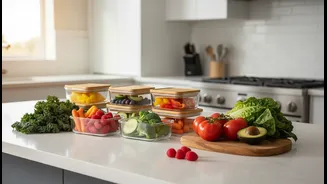
Your refrigerator is a key tool in the fight against food spoilage, but only if used correctly. Cooked food should not be left at room temperature for more than two hours. Store leftovers in airtight containers and place them in the fridge promptly. When reheating, ensure food is heated thoroughly until it is steaming hot to kill any bacteria that may have developed. Organise your fridge to prevent cross-contamination. Keep raw meat, poultry, and seafood on the bottom shelf, sealed and separate from ready-to-eat foods and fresh produce. For dairy products like milk and paneer, ensure they are pasteurised and stored properly. Boil milk immediately after purchase and refrigerate it. Paneer stays fresher when kept in a container of water (changed daily) or wrapped in a damp cloth.
A Word on Street Food
The craving for hot, fried snacks intensifies when it rains, but street food carries the highest risk during the monsoon. Waterborne diseases like typhoid and cholera are common, often spread through contaminated water used in chutneys or for washing. If you must indulge, choose wisely. The safest options are foods that are cooked at high temperatures and served immediately, such as freshly fried pakoras, roasted corn on the cob (bhutta), or a steaming cup of tea. Avoid anything with raw components like uncooked chutneys, pani puri, or pre-cut fruit salads. Steamed items like idlis or momos are also a safer bet than their raw or fried counterparts. Look for vendors who maintain visible hygiene, like using gloves or having hand-washing facilities.