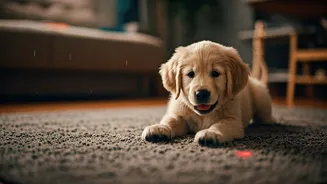

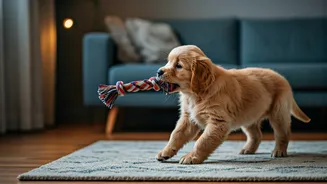


Unleash the Power of Puzzles
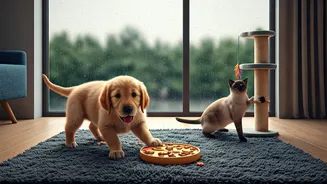
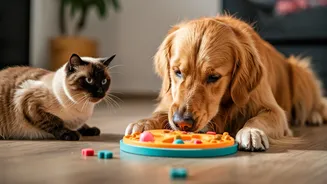
A bored mind is a mischievous mind. Mental stimulation is just as important as physical exercise, and puzzle toys are a fantastic way to engage your pet's brain. You can find a variety of these at pet stores, from beginner-level treat-dispensing balls
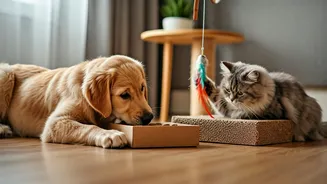
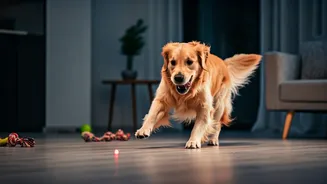
to complex wooden sliders. Don't want to spend? Get creative! Hide a few treats inside an old cardboard box with some scrunched-up paper and let your dog or cat shred their way to a reward. You can also use a muffin tin: place a treat in each cup and cover them with tennis balls. Your dog will have to figure out how to remove the balls to get to the goodies. This simple game works their problem-solving skills and gives them a satisfying job to do.
Put That Nose to Work
A dog's primary sense is smell, and using it is incredibly enriching and tiring for them. You can play simple scent games that require zero equipment. Start with the 'which hand?' game: hide a treat in one closed fist, present both to your pet, and let them sniff out the right one. Once they get the hang of it, you can progress to hiding treats around a single room. Make them sit and stay while you hide a few smelly treats in easy-to-find spots. Then release them with a cue like 'Find it!'. As they get better, you can make the hiding spots more challenging. This isn't just for dogs; many cats also enjoy the challenge of hunting for a high-value treat.
Teach an Old Pet New Tricks
A rainy day provides the perfect, distraction-free environment for a training session. You don't need to teach them complex agility moves. Just 10-15 minutes of focused training can be more tiring than a 30-minute walk. You can brush up on old commands like 'sit', 'stay', and 'come'. Or, introduce a fun new trick! 'Shake', 'roll over', or 'play dead' are classics for a reason. For cats, you can try target training, teaching them to touch their nose to the end of a stick for a reward. The key is to keep it positive, short, and fun. Use plenty of praise and high-value treats to keep them motivated. This reinforces your bond and gives your pet a confidence boost.
Build an Indoor Playground
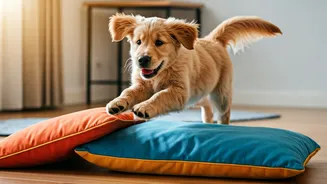
You don't need a sprawling home to create an adventure zone. Use what you have to build a simple indoor obstacle course. Drape a blanket over two chairs to make a tunnel they can crawl through. Place a few pillows on the floor for them to hop over. Use a sturdy, low stool as a platform to 'climb'. You can guide them through the course with a treat or a favourite toy. For cats, something as simple as a large, empty cardboard box can provide hours of entertainment. Cut a few holes in it to create a peek-a-boo fort. The goal isn't to replicate a professional agility course, but to change their environment and encourage them to move their bodies in new and interesting ways.
Get Creative with Mealtimes
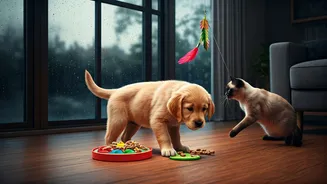
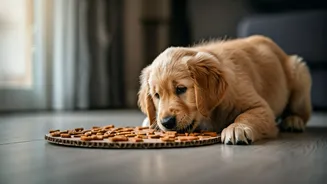
Instead of just pouring kibble into a bowl, turn mealtime into a game. This is a concept known as 'foraging' or 'food enrichment'. You can scatter their dry food across a clean floor or a 'snuffle mat' (a mat with fleece strips where you can hide food), forcing them to use their nose to find every last piece. Slow-feeder bowls, which have built-in obstacles, also make eating a more engaging and lengthy process. Not only does this prevent them from gobbling down their food too quickly, but it also provides crucial mental stimulation. It taps into their natural instincts to work for their food, leaving them feeling more satisfied and tired than a quick meal ever could.