
Trust Your Senses: The Look and Smell Test
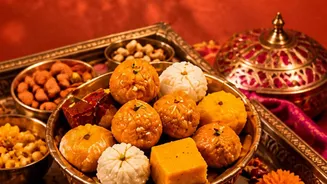
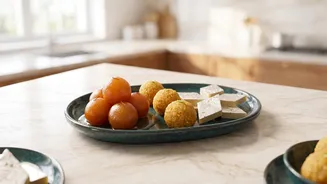
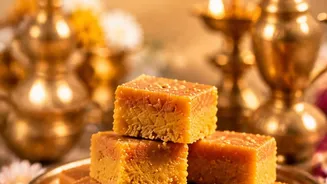
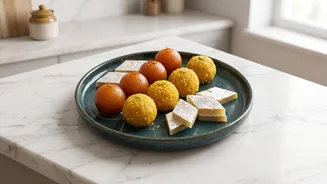
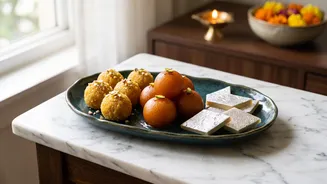
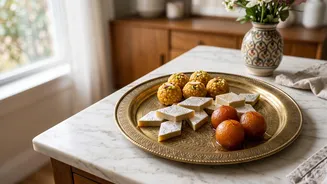
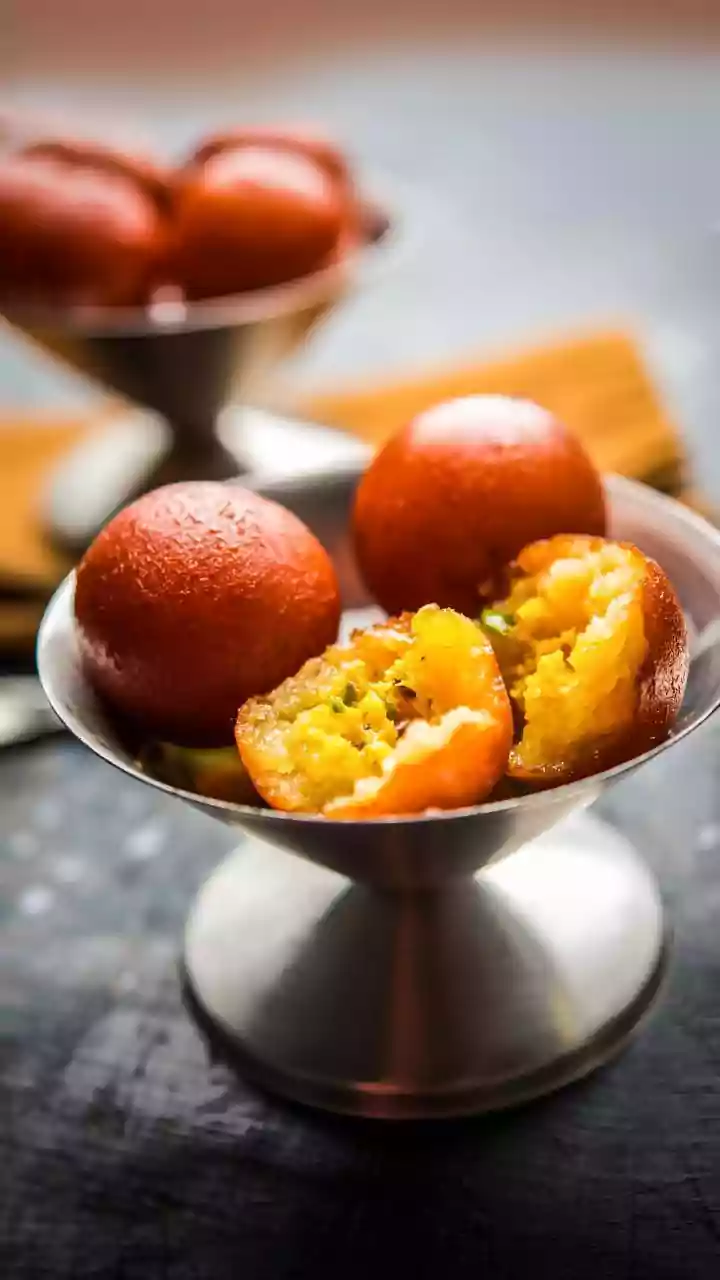
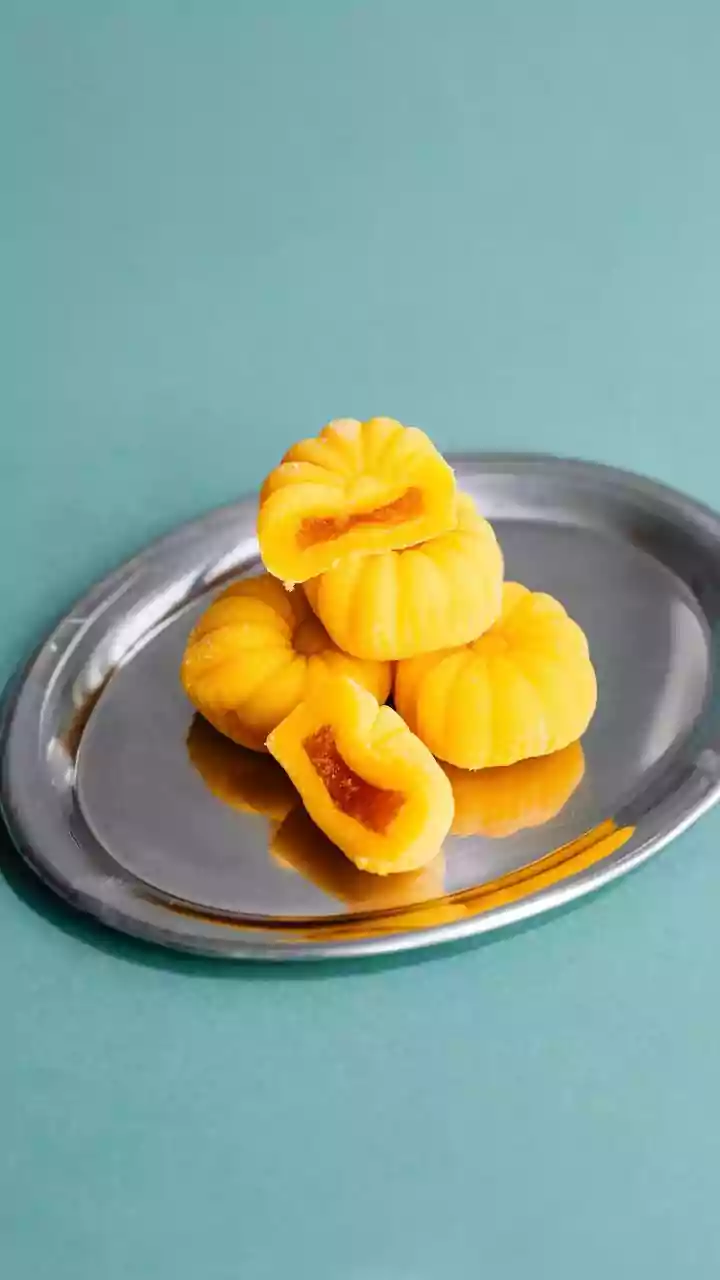
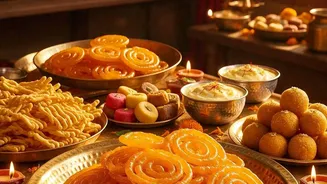
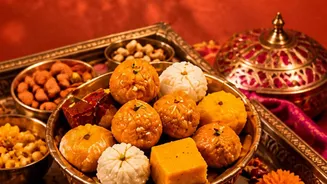
Before you buy, take a moment to observe. Fresh sweets should have a vibrant, natural colour and a pleasing aroma. Look for a soft sheen from ghee or milk, not an overly bright, artificial gloss which can indicate synthetic colouring agents. If a sweet looks
dull, discoloured, or dry and crumbly, it's likely old. A sour, stale, or cheesy smell is a clear red flag, especially in milk-based sweets like peda or barfi, indicating the khoya (milk solids) may have spoiled. An overpowering, perfume-like fragrance can also be a sign of artificial essences used to mask low-quality ingredients.
Understanding Key Ingredients
The quality of Indian sweets hinges on their base ingredients, primarily milk, khoya (mawa), and ghee. During the festive season, these are the most common items to be adulterated. Khoya is frequently mixed with starch to increase its bulk. You can test this at home by dissolving a small piece of khoya in hot water and adding a drop of iodine; if it turns blue, starch is present. Also, pay attention to the fat used. Sweets made with pure ghee will have a rich, nutty aroma and clean taste. Many shops use vanaspati, a hydrogenated vegetable oil containing trans fats, which is cheaper but unhealthy. If a price seems too good to be true, it might be because of inferior ingredients.
Ask the Shopkeeper Direct Questions
Don't hesitate to engage with the seller. A reputable sweet shop should be transparent about their products. Ask when the sweets were made. According to the Food Safety and Standards Authority of India (FSSAI), sellers are now required to display the 'Date of Manufacturing' and 'Best Before' date for non-packaged sweets. Enquire if they use pure ghee or vanaspati. Asking for a small sample to taste is also a reasonable request. A fresh, high-quality sweet will have a clean flavour and pleasant texture, not an odd aftertaste or a pasty feel. Buying from established and trusted shops with a reputation for hygiene and quality is always a safer bet.
Beware the Glistening Silver Varak
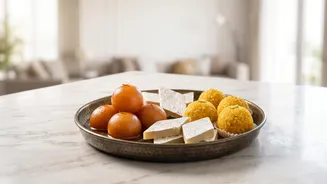
That beautiful silver foil, or 'varak', on kaju katli and other sweets can sometimes be adulterated with aluminium, which is harmful if ingested. Real silver varak is incredibly thin and should disintegrate or dissolve when you rub it between your fingers. Fake foil made of aluminium is thicker and will roll into a small ball instead. Genuine silver leaf has a soft, natural shine, while aluminium foil often looks excessively bright and metallic. Always buy from sellers who can vouch for the purity of their varak.
Smart Shopping and Storage Strategies
When shopping, avoid pre-packed boxes that look like they've been sitting on the shelf for a while. Opt for freshly packed sweets instead. It’s also wise to consider the shelf life of different mithai. Sweets made with milk and khoya, like kalakand and rasmalai, are highly perishable and should be consumed within a day or two. Dry, nut-based, or ghee-based sweets such as besan ladoo, kaju katli, and soan papdi have a longer shelf life, often lasting a week or more. Once home, store different types of sweets in separate airtight containers to prevent flavours from mixing. Milk-based sweets should always be refrigerated, while most dry sweets are best kept in a cool, dry place at room temperature.