

The Electric Promise And Its Perils
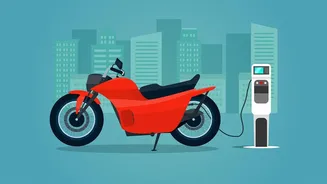
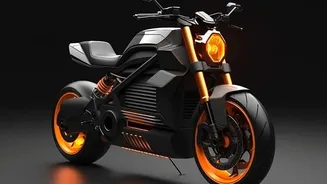
India’s shift towards electric mobility, especially in the two-wheeler segment, is undeniable. Riders are increasingly drawn to the lower running costs and environmental benefits of electric scooters and motorcycles. However, this enthusiasm has been
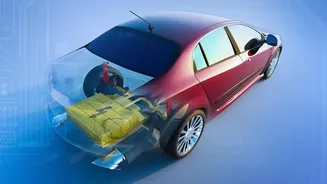
tempered by persistent concerns. Highly publicised incidents of battery fires have created a cloud of anxiety around the safety of the lithium-ion batteries that power nearly all current EVs. These batteries use a flammable liquid electrolyte to function. If the battery is damaged or overheats, it can lead to a dangerous chain reaction called thermal runaway, where the liquid ignites, causing a fire that is notoriously difficult to extinguish. Beyond safety, the high initial cost of electric two-wheelers, largely driven by expensive lithium-ion battery packs, remains a significant barrier for many potential buyers.
Enter the Solid-State Solution
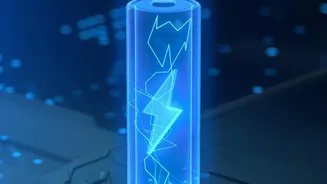
Imagine a battery with no flammable liquid inside. That is the core innovation of solid-state batteries. They replace the volatile liquid electrolyte found in conventional lithium-ion batteries with a solid, non-combustible material, often a specialized ceramic, glass, or polymer. This fundamental change in architecture directly addresses the biggest safety flaw in current battery technology. By eliminating the liquid fuel source, the risk of thermal runaway and fire is dramatically reduced, making the battery inherently safer. This technology is not just theoretical; companies are already beginning to integrate it into production vehicles, signaling a new era for EV safety.
Why 'Solid' Means Safer
The safety advantage of solid-state batteries comes down to two key factors. First, the solid electrolyte itself is not flammable. Even if the battery is punctured or crushed, there is no liquid to leak and ignite. Second, the rigid physical structure of the solid electrolyte acts as a barrier that prevents the formation of 'dendrites'. Dendrites are tiny, needle-like formations of lithium that can grow inside liquid-electrolyte batteries over time, eventually piercing the internal separator and causing a short circuit—a primary trigger for battery fires. The strong, solid wall of the new electrolyte physically blocks this from happening, adding another layer of safety and durability.
Tackling the Cost Conundrum
While the headline mentions addressing costs, the story here is nuanced. Currently, solid-state batteries are more expensive to manufacture than their well-established lithium-ion counterparts due to the complexities of a developing technology. However, the long-term projection is that they will become cheaper. This is because they can potentially be made with more abundant and less expensive materials, and their simpler, safer design could reduce the need for bulky and expensive cooling and safety systems that are mandatory in today's battery packs. As manufacturers scale up production, economies of scale are expected to drive down the cost, eventually making electric two-wheelers more affordable for the mass market.
More Kilometres, Less Waiting
Beyond safety and cost, solid-state batteries offer significant performance benefits for the everyday rider. They boast a much higher energy density, meaning they can store more energy in the same amount of space. This translates directly to a longer range for your scooter or motorcycle, a key factor in eliminating 'range anxiety'. Some estimates suggest an improvement of 20% to 50% or even more. Furthermore, their stable structure allows for much faster charging speeds. The ability to handle higher electrical stress without degrading means charging times could be reduced from hours to mere minutes, making the electric two-wheeler experience far more convenient.
The Road to Mass Adoption in India
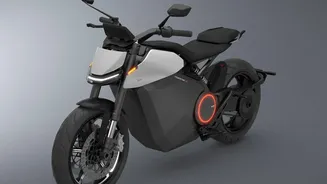
The transition won't happen overnight. Mass production of solid-state batteries faces challenges, and widespread commercial availability is likely still a few years away, with some estimates pointing towards broader adoption around 2030. However, the progress is rapid. Global players like Toyota and Samsung are investing heavily, and some niche manufacturers have already released motorcycles with solid-state technology. For India, a country aiming to be a leader in electric mobility, this technology is critical. The Indian solid-state battery market is projected to grow significantly, driven by the EV sector and government incentives. Collaborations, such as one between Tsuyo Manufacturing and IIT Delhi, are already underway to develop these next-generation batteries domestically, paving the way for a future where electric two-wheelers are not just a green alternative, but a safer and more practical choice for everyone.