


The Promotional Imbalance
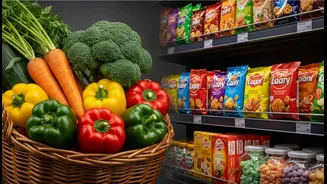
Walk down any grocery aisle in India, and it becomes clear that promotional offers disproportionately favour packaged and processed foods. Studies and market analyses confirm this observation, showing that items high in sugar, salt, and fat are more frequently
discounted than fresh fruits, vegetables, and whole foods. This aggressive marketing for snacks and convenience meals is not accidental; it is rooted in the fundamental economics of the food industry. While it might feel like you're getting a great deal, this promotional landscape subtly nudges our shopping carts—and our diets—in a less healthy direction.
The Economics of a Discount
So why are packaged snacks the darlings of the discount world? The answer lies in profit margins, shelf life, and massive marketing budgets. Packaged goods companies are often large, multinational corporations with deep pockets for promotion. Their products can be manufactured in huge volumes, stored for months or even years, and shipped across the country, making the logistics of a nationwide “special offer” feasible. Fresh produce, on the other hand, is perishable. Farmers and local vendors operate on tighter margins and lack the vast marketing infrastructure to fund large-scale promotions. A farmer needs to sell their tomatoes quickly, not stockpile them for a BOGO sale next month. The higher profit margins on a packet of chips also mean there's more room to offer a discount while still making money, especially since the ingredient costs are a smaller fraction of the final price.
The Psychology of the Impulse Buy
Promotions are powerful psychological triggers. A bright, colourful display at the end of an aisle is designed to catch your eye and create an impulse to buy. Deals like “buy one, get one free” feel like a smart financial decision, creating a sense of urgency and value that is hard to resist. This is especially true for non-essential or 'nice-to-have' items like snacks and sweets. We might not have planned to buy cookies, but when they are offered at a perceived discount, our brains register it as an opportunity too good to miss. This effect is so pronounced that retailers use these promotions to drive foot traffic and increase the overall size of a customer's shopping basket, knowing that a customer who comes in for a discounted snack will likely buy other, full-priced items as well.
The Hidden Health Cost
While saving money is important, the over-promotion of unhealthy foods has a cumulative effect on public health. When our shopping environment constantly pushes high-calorie, low-nutrient options, it becomes harder to make healthy choices. This marketing normalizes the consumption of processed snacks and sugary drinks, making them seem like a regular part of our diet rather than an occasional treat. Research has consistently linked heavy exposure to unhealthy food advertising with poorer dietary habits, especially among children, and an increased risk of diet-related chronic diseases. The temporary financial saving from a discount can be overshadowed by the long-term health costs associated with a diet heavy in processed foods.
Becoming a Smarter Shopper
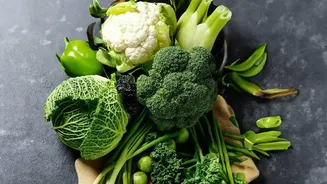
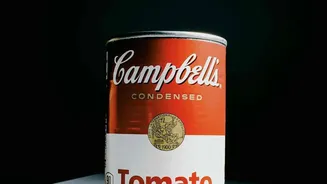
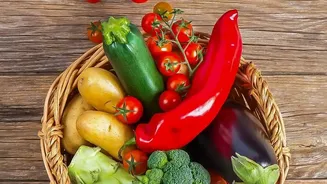
Navigating this promotional maze doesn't have to be overwhelming. The key is to be a conscious consumer. Start by planning meals for the week and creating a shopping list before you enter the store—and stick to it. This simple habit is one of the most effective ways to resist impulse buys. Prioritize shopping for seasonal fruits and vegetables, which are often fresher and more affordable. Don’t underestimate your local sabzi mandi or farmers' market, where prices can be lower than in large supermarkets. When considering packaged goods, get into the habit of reading the ingredients list, not just the promotional sticker on the front. And remember that frozen or canned vegetables can be just as nutritious as fresh ones and are often more budget-friendly, as long as you choose options without added salt or sugar.