


A Tradition Steeped in Sweetness
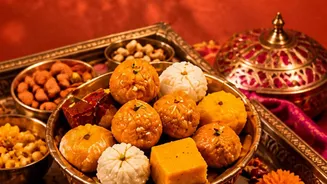
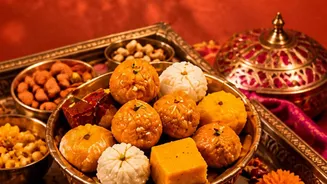
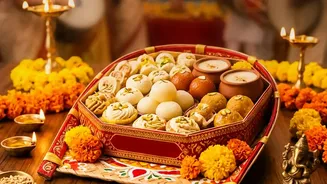
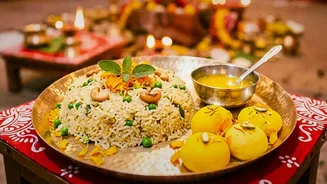
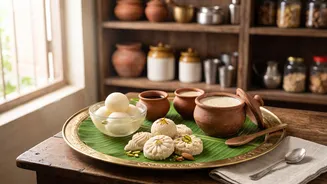
In Bengal, Durga Puja is more than a religious festival; it's an emotion that sweeps through every household. And at the heart of this celebration is 'mishti' (sweets). Sweets are not just desserts; they are an integral part of the rituals and social
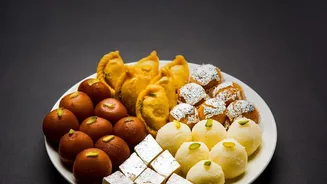
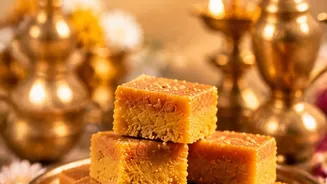
customs. They are offered to the goddess as 'bhog' (a sacred food offering), shared among friends and family during 'Bijoya' greetings, and serve as the quintessential gift when visiting relatives. This cultural significance means that during the five main days of Puja, the demand for classics like sandesh, rosogolla, and mishti doi skyrockets to an unimaginable scale. For historic establishments, some over a century old, upholding their legacy of quality during this period is a matter of honour.
The Battle for Prime Ingredients
The preparation begins not in the kitchen, but in sourcing. Months before the festivities, sweet makers embark on a critical mission: securing vast quantities of high-quality raw materials. The foundation of most iconic Bengali sweets is 'chhena'—fresh, unpressed cottage cheese. Ensuring a consistent supply of premium milk to produce the perfect 'chhena' is a major logistical challenge. Any fluctuation in milk quality can ruin the texture of a delicate sandesh. Similarly, other key ingredients like high-grade flour, nuts, saffron, and cardamom are procured and stored well in advance. This early sourcing strategy helps shops avoid the inevitable price hikes and supply shortages that occur as the festival draws nearer, ensuring that the cost and quality of their sweets remain stable.
The Artisan's Marathon
Many of Bengal’s most beloved sweets are incredibly labour-intensive, requiring skilled hands and time-honoured techniques. Sweets like 'sandesh' are sculpted by hand, while others involve complex processes of frying and syrup immersion. To manage the sheer volume, production of certain items begins weeks ahead. For instance, the base ingredients for sweets that have a longer shelf life, like some types of 'naru' (coconut laddoos) or fried 'gaja', might be prepared early. Furthermore, these heritage shops are often run by generations of artisans, or 'karigars', who are masters of their craft. To augment this core team, temporary staff are often hired months in advance and trained to maintain the shop's specific standards of taste and hygiene, a process that cannot be rushed.
Innovating While Honouring Tradition
While tradition is paramount, the Puja season is also a time for innovation. Many sweet shops launch special, festival-themed creations alongside their timeless classics. These can range from a new flavour of sandesh, like mango-jelly or butterscotch, to entirely new confections designed to capture the festive spirit. The development of these new recipes—from conception and testing to final production—is a creative process that takes several months. Shops must perfect the flavour profile, test for shelf life, and prepare any unique moulds or ingredients required. This allows them to offer something new and exciting to customers who eagerly await their Puja specials each year.
Logistics, Packaging, and Presentation
The final piece of the puzzle is logistics. The months leading up to Durga Puja are spent planning for the massive operational surge. This includes designing and ordering lakhs of decorative boxes and packaging materials that are a hallmark of festive gifting. Staffing plans are finalised, with extra hands hired for the sales counters to manage the endless queues. Delivery schedules for large corporate or family orders are mapped out. Some shops even set up temporary extension counters or sponsor local Puja pandals to increase their visibility and reach more customers. Every detail, from crowd management inside the shop to ensuring a steady supply of every item, is planned meticulously to ensure the five days of the festival run as smoothly and as sweetly as possible.