





The Performance That Sparked Debate
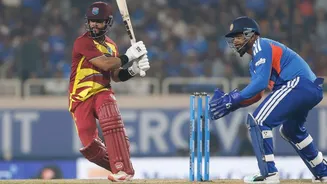
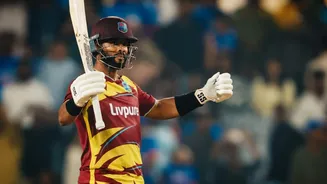
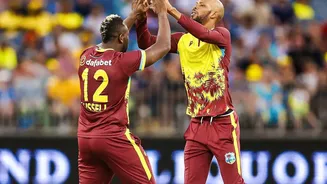
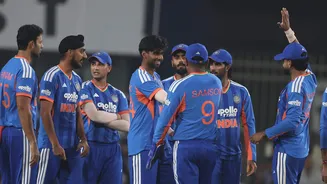
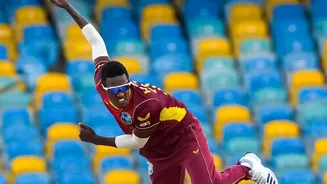
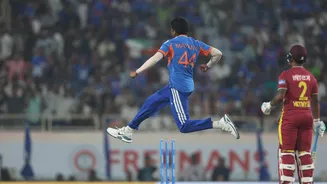
In the high-octane environment of a T20 international against the West Indies, every ball counts. Naman Dhir, primarily known for his explosive batting, was thrown the ball and returned figures of 2 for 39. On the surface, an economy rate of 13.00 might
seem expensive. However, the two wickets, those of Kamil Pooran and Shimron Hetmyer, provided crucial breakthroughs. This is the classic T20 conundrum: is a player who stems the flow of runs more valuable than one who concedes runs but takes key wickets? This single performance encapsulates the debate around Dhir's role with the ball. It was not a masterclass in economical bowling, but it was impactful, shifting momentum at a critical phase and showcasing a knack for getting big names out.
The 'Bonus Skill' Argument
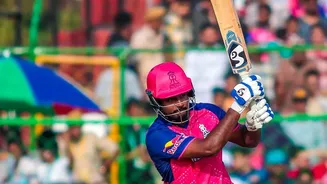
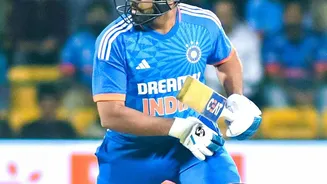
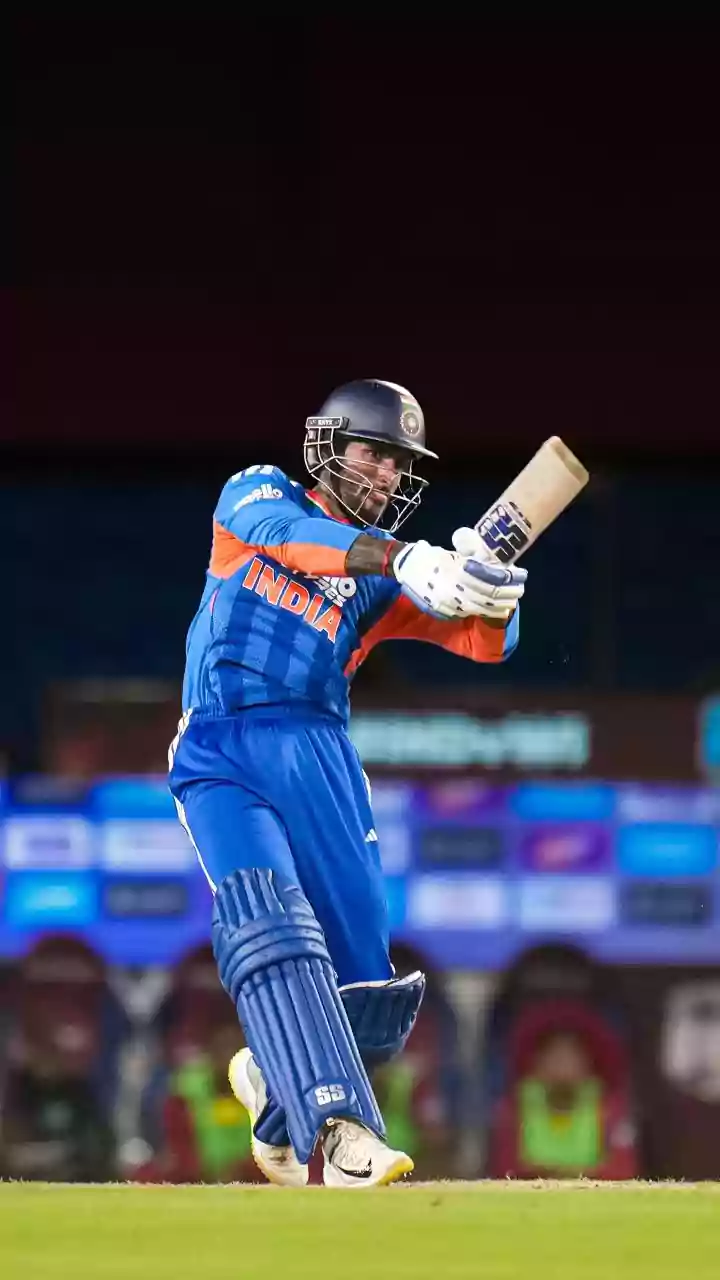
Let's be clear: Naman Dhir's primary ticket into the Indian team is his batting. He is a product of the modern T20 era, a batsman who can change the game with his power and high strike rates, as seen in his explosive IPL and domestic performances. From this perspective, any contribution with the ball is a welcome extra. Captains love having 'golden arm' options—players who can bowl an over or two to break a partnership or cover for a frontline bowler having an off day. His right-arm off-break is a handy tool, but his career stats, particularly in the IPL where he has bowled sparingly, suggest he is not considered a primary bowling option by his captains. The argument here is that his bowling is a 'bonus', a useful but non-essential part of his overall package, not something the team should rely on game after game.
The Makings of a 'Real Weapon'
The counterargument is that Dhir is rapidly evolving beyond being just a part-timer. In T20 cricket, a 'weapon' isn't always about a low economy rate; it's about impact. Dhir has shown an ability to take wickets, even in his brief international career. Analysis of his bowling shows a cricketer who thinks about his craft. After being hit for a six, he has demonstrated the ability to vary his pace and trajectory to deceive batsmen, a quality that former players note separates a genuine bowler from a mere part-timer. He has claimed key wickets by slowing the pace and using the grip of the pitch, inducing mistimed shots from aggressive hitters. This suggests a high degree of cricketing intelligence. In a format where matchups are critical, having a batsman who can also be a genuine wicket-taking threat offers immense strategic flexibility, making him more of a weapon than just a bonus.
Domestic Record and Team Balance
A look at his domestic journey shows this isn't an overnight development. In the 2023 Punjab T20 tournament, while smashing 466 runs, he also picked up eight wickets. In the Ranji Trophy, he has 17 wickets from 20 first-class games, proving his ability to contribute across formats. This consistent, multi-format contribution with the ball shows a player who takes his all-round abilities seriously. The Indian team has long sought batting all-rounders who can provide balance, a legacy carried by greats like Yuvraj Singh and Suresh Raina. A player like Dhir, who is a specialist batsman but can be trusted to bowl crucial overs, is an invaluable asset. He allows the team to field an extra specialist batsman without significantly weakening the bowling attack, a strategic advantage many teams crave.