







Why Your Morning Routine Matters for Your Back
Many people experience heightened back pain and stiffness first thing in the morning. During sleep, your spinal discs rehydrate, which can make your back feel less flexible upon waking. [3] The first movements of the day are crucial; moving with poor
alignment can lead to increased strain and discomfort that lasts for hours. [3] Sedentary lifestyles and prolonged sitting can lead to weak or "asleep" gluteal muscles, a condition sometimes called gluteal amnesia. [10, 17] When your glutes are underactive, other muscles, particularly in your lower back, are forced to compensate, leading to pain, poor posture, and an increased risk of injury. [7, 11] By intentionally activating these key muscles in the morning, you prepare your body for the day's demands, promote better posture, and reduce strain on your spine. [2, 5]
Meet the Dynamic Glute Bridge
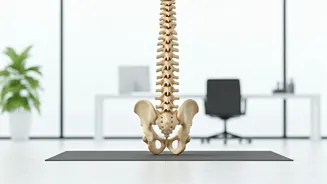
The glute bridge is a foundational exercise that strengthens the entire posterior chain—your glutes, hamstrings, and spinal erectors. [18] While a static bridge involves holding the top position, a dynamic glute bridge focuses on the movement: a controlled lift and lower of the hips. This repetitive motion is excellent for waking up dormant muscles and establishing a strong mind-muscle connection. [13, 14] Unlike intense workouts, the goal here is activation and mobility. It gently engages the core and gluteal muscles, which are essential for stabilizing the pelvis and supporting the natural curvature of the spine. [1, 9] Strong glutes help maintain proper pelvic alignment, taking a significant load off the lumbar spine and helping to prevent or alleviate lower back pain. [6, 20]
How to Perform a Perfect Dynamic Glute Bridge
Proper form is crucial to ensure you’re targeting the right muscles and protecting your back. You can do this exercise on the floor or even in your bed before you stand up. [2] 1. **Starting Position:** Lie on your back with your knees bent and feet flat on the surface, about hip-width apart. Your heels should be a comfortable distance from your buttocks, roughly 6-8 inches. Place your arms by your sides. [15, 19] 2. **Engage Your Core:** Before lifting, gently tilt your pelvis to flatten your lower back against the surface, engaging your abdominal muscles. This helps prevent arching your back during the movement. [22] 3. **Lift with Your Glutes:** Squeeze your glutes and press through your heels to lift your hips toward the ceiling. Raise your hips until your body forms a straight line from your shoulders to your knees. [19] Avoid pushing your hips up so high that your back hyperextends, as this can strain the spine. [15, 20] 4. **Controlled Lowering:** Without losing tension, slowly lower your hips back down until they are just hovering above the starting surface. [15] 5. **Repeat:** This completes one repetition. Flow smoothly from one rep to the next, focusing on the quality of the movement rather than speed. Aim for two sets of 10-15 repetitions. [13, 14]
The Key Benefits for Spine Health and Posture
Consistently performing dynamic glute bridges offers a cascade of benefits. Primarily, it strengthens the gluteus maximus, the body's largest muscle, which is responsible for hip extension and maintaining an upright posture. [1, 10] When your glutes are strong and active, they properly stabilize the pelvis, which in turn stabilizes the base of your spine. [7] This prevents other muscles, like your hamstrings or lower back erectors, from becoming overworked and strained. [11] An active core and strong glutes work together as a support system for your entire torso. This improved stability enhances your posture not just while standing, but also while sitting, reducing the postural strain that contributes to chronic back pain for many people. [24, 25]
Integrating Glute Bridges into Your Morning
The beauty of this exercise is its simplicity and convenience. Spending just a few minutes on dynamic glute bridges before you start your day can make a significant difference. [3, 5] Try making it the very first thing you do when you wake up, while your muscles are warm from being under the covers. [2] Pair it with other gentle movements like knee-to-chest hugs or pelvic tilts to create a short, effective mobility routine. [4, 8] Consistency is more important than intensity. By making this a daily habit, you are continuously reinforcing correct movement patterns and ensuring your glutes are ready to support you throughout the day, whether you're sitting at a desk, carrying groceries, or enjoying a walk. [5]