



The Core Concept: Cook Once, Eat Twice
The principle is straightforward: when you buy a vegetable, plan how to use it across two separate meals. This doesn't mean eating the same exact dish two days in a row. Instead, it involves a bit of clever prep work upfront to create the foundation for two different
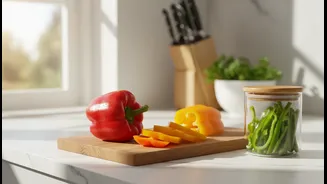
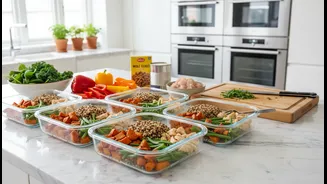
culinary experiences. By chopping, boiling, or roasting a larger batch of a vegetable initially, you get a head start on your next meal. This approach not only saves precious time on a busy weeknight but also helps reduce food waste and stretches your grocery budget further. The key is choosing versatile vegetables that can adapt to different flavours and cooking methods. It’s a sustainable and efficient way to manage your kitchen and ensure you’re always just a few steps away from a wholesome, home-cooked meal.
The Humble Potato (Aloo)
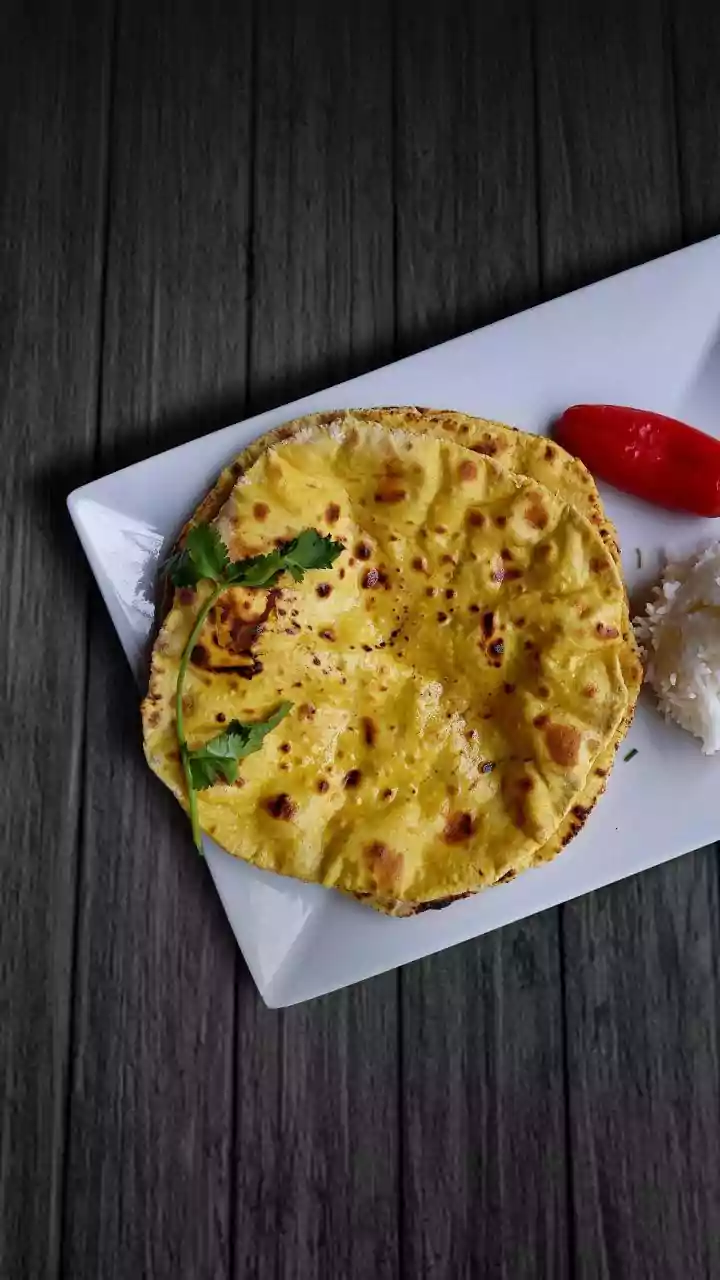
Potatoes are arguably one of the most popular and versatile vegetables in Indian cuisine. Their ability to absorb flavours makes them a perfect candidate for the two-meal strategy. Start by boiling a larger batch of potatoes than you need for a single meal. Once boiled and peeled, they are ready for multiple applications. Meal One: For a quick and comforting first meal, use half of the boiled potatoes to make Jeera Aloo. Simply cube the potatoes and temper them with cumin seeds, turmeric, and other basic spices. It’s a simple, dry sabzi that pairs wonderfully with rotis or dal and rice. Meal Two: With the remaining boiled potatoes already prepped, your second meal is halfway done. Mash them to create a filling for Aloo Parathas, form them into patties for Aloo Tikki, or use them as a base for a delicious sandwich filling. This simple prep work transforms a basic vegetable into two completely different dining experiences with minimal extra effort.
The Versatile Cauliflower (Gobi)
Cauliflower is another staple that shines with a little planning. Its firm texture holds up well to various cooking methods, from frying to roasting. When you bring a head of cauliflower home, wash and chop the entire thing into florets. Store them in an airtight container in the refrigerator. Meal One: Use about half of your pre-chopped florets to prepare a classic Aloo Gobi, a dry curry that is a favourite in many households. The florets can be pan-fried or lightly sautéed with potatoes and spices for a quick weeknight dinner. Meal Two: The remaining florets can be transformed into something entirely different. Grate them to make cauliflower rice as a low-carb alternative or use them to make Gobi Parathas. Another exciting option is to create a quick stir-fry, like a Gobi Manchurian style dish, or even cheesy cauliflower fritters for a delicious snack or light lunch.
The Adaptable Bottle Gourd (Lauki)
Bottle gourd, known as lauki or dudhi, might not be everyone’s favourite, but its mild flavour and soft texture make it incredibly adaptable. It is composed of about 96% water, making it light and easy to digest. Proper planning can turn this simple gourd into two unique dishes. Meal One: For the first meal, you can prepare a simple and wholesome Lauki Chana Dal. This dish combines the softness of the gourd with the texture of lentils in a flavourful, soupy curry. It’s a nutritious meal that is both comforting and easy to make, often served with rice or roti. Meal Two: For the second meal, the remaining lauki can be grated and used in several creative ways. You can mix the grated gourd with besan (gram flour) and spices to make delicious Lauki Kofta, which can be fried and added to a tomato-based gravy. Alternatively, the grated lauki can be added to dough to make soft and healthy theplas or parathas.
Smart Storage is Key
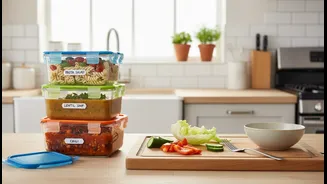
To make this system work, proper storage is crucial to maintain the freshness of your prepped vegetables. For chopped vegetables like cauliflower or beans, store them in airtight containers. Adding a paper towel inside can help absorb excess moisture and extend their life. Boiled vegetables like potatoes should also be stored in the fridge in a sealed container and used within a couple of days. For leafy greens, wrapping them in a newspaper or a damp cloth before refrigerating can keep them from wilting. Bottle gourd can be kept at room temperature for a week, but once cut, it should be refrigerated in an airtight container to prevent it from drying out. These simple storage hacks ensure that your ingredients are ready and fresh when you need them for your second meal.