








The Allure of the Heavy Lift
Walk into any gym, and you'll see the magnetic pull of the barbell and dumbbell racks. For many young men and women, the number on the weight plate becomes a badge of honour. This desire to lift as heavy as possible, known as 'max-lifting' or 'ego lifting',
is fuelled by social media trends and a desire for quick, visible results. The satisfaction of hitting a new personal record is undeniable. However, fitness professionals are increasingly cautioning that for a developing body, this 'more is more' approach can be a trap. It prioritises a single, impressive feat over the sustainable, foundational work required for lifelong fitness and health. The pressure to compete, either with peers or with influencers online, often leads to compromising on the single most important aspect of training: proper form.
The Risks of Lifting Too Heavy, Too Soon
An adolescent or young adult's body is still in a crucial stage of development. The skeletal system, particularly the growth plates (epiphyseal plates) at the ends of long bones, is vulnerable. These areas of growing cartilage are softer than bone and can be susceptible to injury from repetitive stress or acute overload. A fracture or damage to a growth plate can, in serious cases, impact the bone's final length and shape. Beyond the bones, tendons and ligaments are also still adapting. When a young person attempts to lift a weight their muscular and nervous systems aren't prepared for, the form breaks down. This shifts the load from the target muscles to connective tissues and joints—like the lower back, shoulders, and knees—that aren't designed to bear it. This can lead to sprains, strains, and chronic pain that derail progress and create long-term issues.
Building Your Foundation with Flexibility and Mobility
So, what's the alternative? Trainers are pointing towards flexibility and mobility as the true bedrock of strength. Flexibility refers to a muscle's ability to stretch passively, while mobility is the ability of a joint to move actively through its full range of motion. Think of it like this: a flexible body is like having good quality building materials, and a mobile body is like having a skilled crew that can use them correctly. Without a good range of motion, you can't perform exercises like squats, deadlifts, or overhead presses correctly, no matter how strong your muscles are. Poor mobility forces your body to compensate, leading to the risky form mentioned earlier. By dedicating time to dynamic stretches, foam rolling, and mobility drills, you are essentially future-proofing your body. You're ensuring your joints can move as intended, allowing muscles to activate properly and grow stronger, safely.
Strength Training the Smarter Way
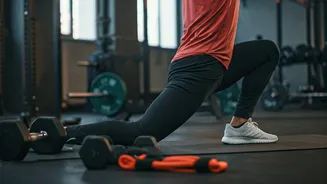
This advice isn't a ban on lifting weights. On the contrary, strength training is incredibly beneficial for young people when done correctly. It builds bone density, improves body composition, and boosts confidence. The key is the approach. Instead of focusing on a one-rep max, the emphasis should be on 'progressive overload' with perfect technique. This means starting with a weight you can comfortably lift for 8-12 repetitions with flawless form. Only when you can complete your sets without your form faltering should you consider a small increase in weight. Bodyweight exercises are also a fantastic tool. Push-ups, pull-ups, squats, and lunges build incredible functional strength and teach you to control your own body before you try to control a heavy external load. A good trainer will prioritise teaching you *how* to move before they focus on *how much* you can move.
What a Balanced Routine Looks Like
For a young person starting their fitness journey, a balanced weekly routine is far more effective than just hitting the weights every day. A smart plan might include two to three days of full-body strength training, focusing on compound movements with moderate weight and perfect form. On alternate days, the focus could shift. One day might be dedicated to cardiovascular health—running, cycling, or playing a sport. Another one or two days should be actively focused on recovery, flexibility, and mobility. This could involve a guided yoga class, a 20-minute stretching and foam rolling session, or mobility drills targeting tight areas like the hips and shoulders. This holistic approach ensures you're building a resilient, athletic, and capable body, not just one that can lift a heavy weight one time.