




Decoding 'Clean Energy' in Your Diet
The term 'clean energy' in nutrition refers to foods that provide a steady, sustained release of fuel without the sharp spikes and subsequent crashes associated with sugary snacks and refined carbohydrates. A high-protein breakfast, for instance, helps
regulate blood sugar levels, keeping you energized and focused throughout the morning. This is because protein and complex carbohydrates slow down digestion, promoting a feeling of fullness and preventing mid-morning cravings. The goal of clean energy foods is to power your body and brain efficiently, supporting everything from muscle maintenance to cognitive function.
The Powerhouse Flour: What is Sattu?
Sattu is a humble yet mighty flour made from dry-roasted Bengal gram (chana). For centuries, it has been a staple in the diets of farmers and wrestlers across India, prized for its cooling properties and nutrient density. A 100-gram serving packs an impressive 20-26 grams of plant-based protein, putting it on par with many commercial protein powders but without the artificial additives. Beyond protein, it's rich in dietary fibre, complex carbohydrates, iron, and magnesium. Its low glycemic index means it releases energy slowly, making it an excellent fuel source for sustained stamina and preventing energy dips.
How to Use Sattu for a Fitness Boost
The versatility of sattu is one of its greatest strengths. The most traditional method is a refreshing sattu sharbat, made by mixing the flour with water, black salt, and a squeeze of lemon. This drink is not only hydrating but also aids in digestion. For a post-workout recovery shake, you can blend sattu with milk, a natural sweetener like jaggery, and nuts to create a high-calorie, protein-rich drink that supports muscle repair. It can also be seamlessly integrated into daily meals; try adding a few tablespoons to your roti or paratha dough, mixing it into soups for a protein kick, or rolling it into energy laddoos for a quick, healthy snack.
The Magic of Sprouted Legumes
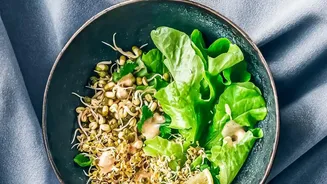
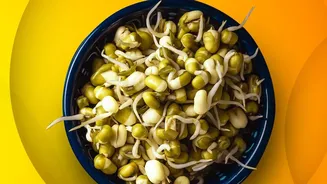
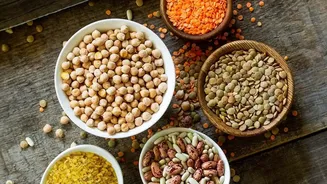
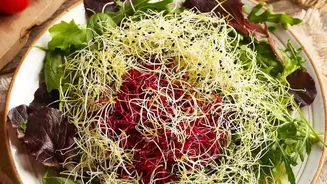
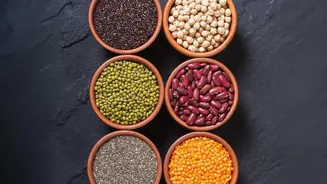
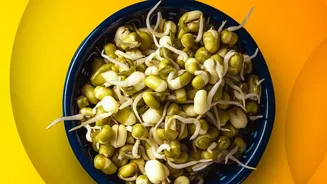
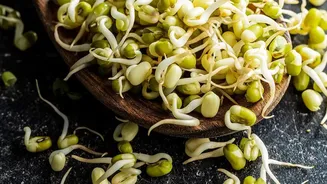
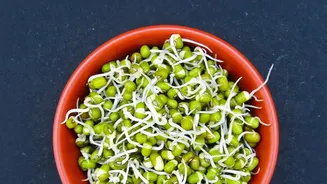
Sprouting is the process of germinating legumes like moong, chickpeas, or lentils. This simple act transforms them into nutritional powerhouses. The process of germination can increase protein content and improve its digestibility. Sprouting also boosts the levels of vitamins, particularly Vitamin C, and makes minerals like iron, zinc, and calcium more available for absorption by reducing anti-nutrients like phytic acid. Lentil sprouts, for example, offer around 9 grams of protein per 100-gram serving. This makes them an excellent, low-fat source of plant-based protein and fibre, foundational for good gut health and overall fitness.
Building the Perfect Sprouted Legume Bowl
A sprouted legume bowl is a vibrant, customisable meal perfect for breakfast or lunch. Start with a base of sprouted moong beans, chickpeas, or a mix of your favourites. To make it a balanced meal, add a generous amount of chopped vegetables like onions, tomatoes, cucumbers, and bell peppers for crunch and added nutrients. A simple dressing of lemon juice, chaat masala, and black salt brings the flavours together. For healthy fats and extra texture, consider adding a handful of roasted peanuts or a sprinkle of seeds. The combination of protein from the sprouts and fibre from the vegetables ensures you stay full and energized for hours.