






Understanding Karats: The Basics of Purity
The term 'karat' (K) is a measure of gold's purity. The scale runs from 0 to 24, where 24 represents the purest form. 24K gold is 99.9% pure gold, with virtually no other metals mixed in. This is why it's often called pure gold. On the other hand, 22K
gold consists of 22 parts gold and 2 parts other metals, making it 91.67% pure gold. These other metals are alloys, typically copper, silver, or zinc, which are added to change the gold's properties.
The Allure of 24K Gold: Pure but Impractical
24K gold boasts a brilliant, bright yellow lustre that is unmatched due to its high purity. This makes it the preferred choice for investment purposes, such as in the form of gold bars and coins. However, this purity comes at a cost beyond price—durability. 24K gold is extremely soft and malleable, making it prone to scratching, bending, and deforming with minimal pressure. Because of this delicate nature, it is generally unsuitable for crafting regular jewellery, especially intricate designs or pieces intended for daily wear.
The Practicality of 22K Gold: Durability Meets Beauty
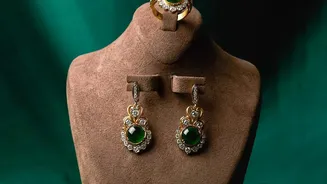
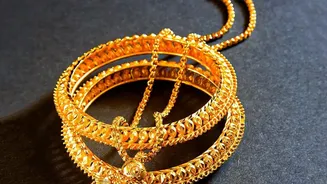
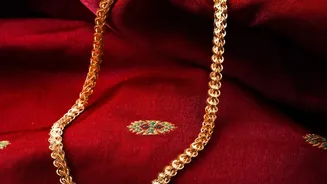
For jewellery, 22K gold is the overwhelming favourite in India, and for good reason. The 8.33% of alloyed metals like copper and silver give it significantly more strength and durability than its 24K counterpart. This hardness allows it to withstand the rigours of daily wear and securely hold intricate designs, settings, and precious stones. While it has a slightly less intense yellow colour than 24K gold, it still maintains a rich, warm appearance, striking the perfect balance between high purity and practical resilience for ornaments.
Cost and Value: What's the Price Difference?
Naturally, 24K gold is more expensive per gram than 22K gold because it contains more pure gold. The price difference is generally proportional to the purity—22K gold is roughly 91.67% of the price of 24K gold, before considering making charges and taxes. When it comes to resale, both hold value well. However, 24K gold, being a direct investment in the metal itself, often fetches a price closer to the current market rate for pure gold. Jewellery made from 22K gold will have its resale value affected by deductions for making charges, though its high gold content ensures a strong return.
Investment vs. Adornment: Defining Your Purpose
The choice between 22K and 24K gold ultimately comes down to your primary goal. If you are buying gold purely as a financial investment or for wealth preservation, 24K gold in the form of BIS-hallmarked coins or bars is the superior option. Its value is tied directly to its purity and weight. If your goal is to purchase jewellery for wearing, whether for special occasions or daily use, 22K gold is the far more practical and recommended choice. It offers the best blend of beauty, high purity, and the necessary durability to last for generations.
Always Check for the Hallmark
Regardless of the karat you choose, always ensure your purchase is certified by the Bureau of Indian Standards (BIS). A BIS hallmark is a guarantee of purity. For 22K gold, look for the '916' mark, which signifies 91.6% purity. For 24K, the mark is typically '999'. The hallmark now includes a six-character alphanumeric Hallmark Unique Identification (HUID) number, which allows you to trace and verify the item's authenticity, protecting you from buying lower-purity gold.