




More Than Just Nostalgia
For years, the modern Indian kitchen chased convenience. We embraced refined oils, polished grains, and processed foods that promised to save time. But a growing movement is pushing back, not out of simple nostalgia, but from a conscious desire for something
more authentic and nourishing. This isn't just about recreating the taste of a grandparent’s cooking; it’s about reclaiming a philosophy. It’s a deliberate choice to prioritise local ingredients, seasonal eating, and time-tested techniques that were sidelined in the rush to modernise. This shift reflects a deeper search for identity and well-being, suggesting that the answers to many of our modern lifestyle ailments—from poor gut health to a disconnect from our roots—might be found in the culinary wisdom of the past.
The Mighty Return of Millets
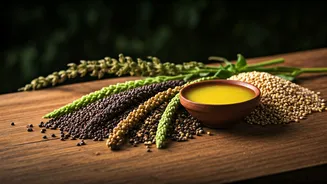
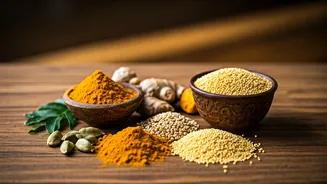
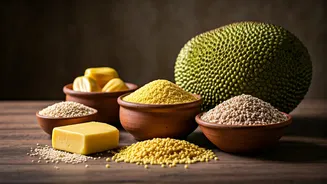
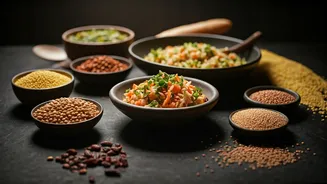
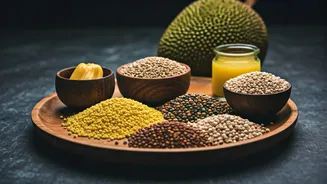
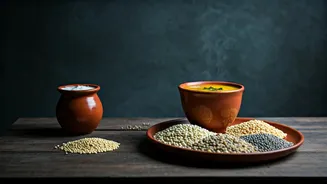
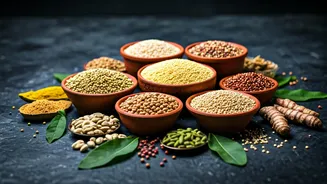
At the forefront of this culinary revival are ancient grains, particularly millets. Once the staple food for vast swathes of the population, grains like jowar, bajra, and ragi were largely displaced by the Green Revolution’s focus on wheat and rice. They were often dismissed as ‘coarse’ or ‘poor people’s food’. Today, they are being celebrated as nutritional powerhouses. Rich in fibre, protein, and micronutrients, millets are also naturally gluten-free and have a low glycemic index, making them ideal for managing blood sugar levels. Furthermore, their resilience to drought makes them an incredibly sustainable crop for India’s changing climate. Chefs, nutritionists, and home cooks are now exploring creative ways to incorporate them back into our diets, from ragi dosas and jowar rotis to millet-based salads and porridges.
Reclaiming Traditional Fats and Oils
The narrative around fats has undergone a dramatic transformation. For decades, traditional fats like ghee, mustard oil, and cold-pressed coconut oil were demonised in favour of highly processed vegetable and seed oils. We were told they were unhealthy and bad for our hearts. However, contemporary nutritional science, combined with ancestral wisdom, is challenging this view. Ghee, a cornerstone of Ayurvedic cooking, is now recognised for its healthy fats, gut-healing properties, and high smoke point, which makes it stable for cooking. Similarly, the pungent, earthy notes of kacchi ghani (cold-pressed) mustard oil are being appreciated not just for their unique flavour but also for their beneficial fatty acid profile. This return to traditional fats is about embracing flavour and function over industrial standardisation.
Techniques That Time Forgot
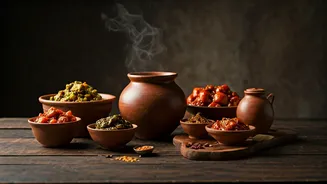
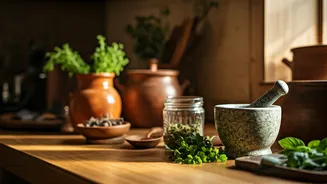
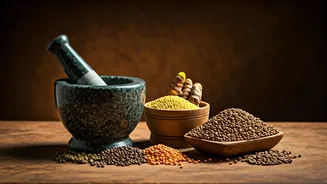
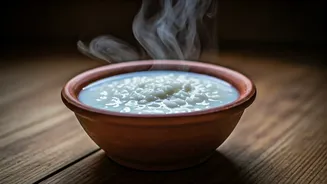
Beyond ingredients, the movement is reviving age-old cooking methods. The slow, gentle heat of an earthen pot (matka or handi) is being chosen over the harsh, direct heat of a non-stick pan. Cooking in clay pots allows for slow, even cooking that preserves nutrients and imparts a subtle, earthy flavour that metal cannot replicate. Fermentation, a technique central to Indian culinary traditions, is also making a huge comeback. From the probiotic-rich kanji (a fermented carrot drink) of the north to the fermented rice porridges of the south, people are rediscovering how these foods boost gut health and enhance nutrient absorption. Even the simple act of using a stone grinder (sil batta) instead of an electric mixer is being seen as a way to achieve superior texture and flavour in masalas and chutneys.
A Correction for the Modern Plate
Ultimately, this trend is a form of cultural correction. It is an assertion of confidence in our own culinary heritage, which for too long was overshadowed by Western dietary trends and marketing. It’s a recognition that ‘healthy’ doesn’t have to mean quinoa salads and kale smoothies; it can also mean a simple bowl of dal, a bajra roti with a dollop of ghee, or a serving of homemade pickle. By reviving these old recipes, we are not just eating better; we are participating in a story that connects us to our land, our climate, and the generations that came before us. It’s a delicious and powerful way to decolonise our plates and our minds, proving that sometimes the most innovative lifestyle is one that has been perfected over centuries.