



The Allure of the Algorithm
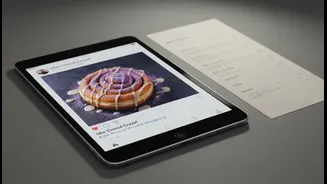
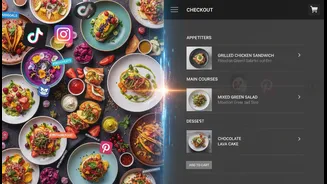
In India's bustling food scene, social media is no longer just a marketing tool; it's the new discovery engine. Platforms like Instagram have become the primary space where urban diners, especially Gen Z, find their next meal. A single viral Reel can
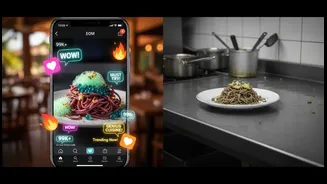
drive more footfall than a month of traditional advertising. For restaurant owners, this presents an irresistible opportunity. A dish that trends online promises a direct line to new customers, higher online searches, and a bump in order values. The logic is simple: if a million people are watching a video of a 'rose-syrup biryani', a fraction of them will surely pay to taste it. This has created a culture where the first question in menu development is often not about tradition or flavour, but: "Will this stop someone from scrolling?"
The Kitchen's Reality Check
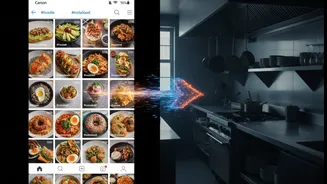
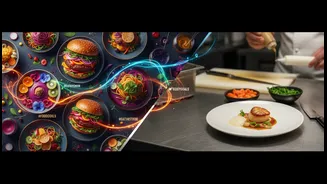
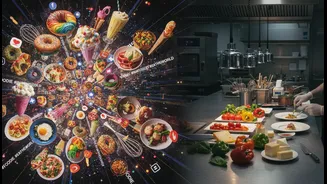
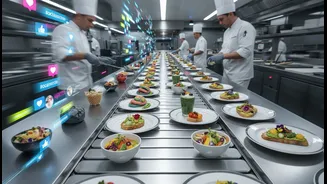
While a trend explodes online in hours, the journey to a restaurant's menu is far slower and more deliberate. Recreating a dish from a 30-second video is a complex process. Kitchens must engage in trial-and-error to decode the recipe, flavour profile, and, most importantly, the visual presentation that made it famous. This is followed by a rigorous product development cycle. Sourcing ingredients at scale, standardising the recipe for consistency across outlets, training kitchen staff, conducting cost analysis, and planning a launch strategy can take weeks, if not months. A food industry consultant noted that while development cycles used to run for up to a year, the pressure is now on to shorten this to under six months to avoid irrelevance. For large chains with logistical hurdles, this process is even more protracted, creating a significant delay between peak hype and product availability.
Racing a Disappearing Clock
The core of the social-to-menu gap lies in a fundamental mismatch of timelines. The lifecycle of a social media trend is brutal and swift. What is a cultural phenomenon one week can be old news the next. By the time a restaurant perfects its version of a viral dish, trains its staff, and prints the menu inserts, the internet's collective attention may have already moved on. This leaves the business with a dedicated inventory, trained staff, and marketing materials for a product no one is searching for anymore. The risk is substantial: wasted resources, potential losses from unsold inventory, and the brand appearing to be late to the party. One expert refers to this as the 'TikTok Bullwhip Effect', where a massive spike in demand leads to rushed production, but by the time products hit the shelves, consumer interest has cooled, leading to buyer's remorse and excess stock.
Bridging the Gap with Agility
So, is chasing trends a fool's errand? Not necessarily. The Indian F&B industry is adapting with new, more agile models. Smaller, independent restaurants and cloud kitchens are often better positioned to capitalize on trends, capable of launching new items within days due to fewer layers of approval. Many businesses are abandoning the idea of adding trends to the permanent menu. Instead, they are leveraging them as Limited-Time Offerings (LTOs). This strategy creates urgency, attracts new customers curious about the trend, and minimizes long-term risk. Others use real-time menu technology, allowing them to instantly add or remove items from their digital menus based on ingredient availability and demand, a crucial advantage for delivery-first brands. These approaches treat viral trends not as a long-term strategy, but as a short-term marketing tactic to drive immediate interest and traffic.