



The scent of freshly baked cake is timeless, but the ingredients are changing. Across India, bakers are leaving refined flour on the shelf, turning to ancient millet flours for a modern, healthier twist on everyday treats.
The Nutrient-Rich Upgrade
The primary driver behind the
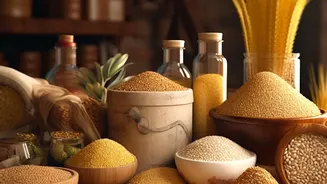
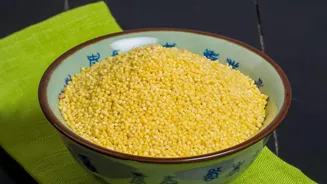
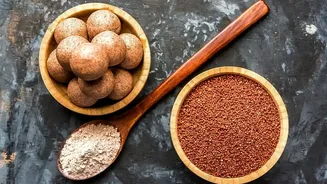
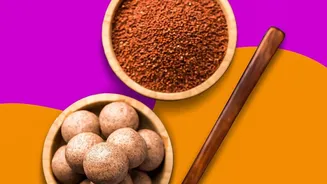
switch is health. Unlike refined wheat flour (maida), which is stripped of most of its nutrients, millet flours are nutritional powerhouses. Millets like ragi (finger millet), jowar (sorghum), and bajra (pearl millet) are naturally gluten-free and packed with protein, dietary fibre, and essential minerals like magnesium and iron. This makes them an excellent choice for a growing number of health-conscious consumers, including those managing diabetes or gluten sensitivities. The high fibre content in millets helps in slower digestion and a more gradual release of sugar into the bloodstream, avoiding the sharp spikes associated with refined flours. For many, it’s a simple equation: why eat an empty-calorie treat when you can have one that’s genuinely nourishing?
A Revolution in Flavour and Texture
For years, the biggest hurdle for alternative flours was taste and texture. Early attempts often resulted in dense, dry, or crumbly bakes. However, modern bakers have cracked the code. They are no longer just swapping one flour for another; they're using a scientific approach. By skillfully blending different millet flours or combining them with other gluten-free ingredients like oat or almond flour, they can achieve a surprisingly light and moist crumb. Each millet brings its own unique profile: ragi offers a rich, earthy flavour that pairs beautifully with chocolate, while jowar has a milder, slightly sweet taste perfect for cakes and cookies. This move has transformed millet baking from a 'compromise' into a culinary exploration, introducing customers to new and complex flavours they can't get from plain maida.
The Baker's New Science
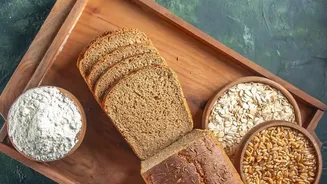
Working with millet flours requires a different skill set than baking with wheat. The main challenge is the absence of gluten, the protein that gives traditional breads and cakes their elastic, airy structure. To compensate, bakers use various techniques. Some add natural binders like psyllium husk, flaxseed, or xanthan gum to mimic gluten's binding properties. Others have mastered adjusting the liquid content, as millet flours absorb moisture differently than wheat. For instance, a ragi brownie might require more oil or curd to achieve that perfect fudgy texture. This technical mastery is elevating the quality of millet-based goods, proving that healthy baking can be just as indulgent. Artisan bakeries across cities like Bengaluru and Chennai are now dedicated to this craft, creating everything from millet sourdoughs to soft cupcakes.
Good for You, Good for the Planet
The shift to millets goes beyond personal health; it’s also a sustainable choice. Millets are hardy 'super grains' that are well-suited to India's climate. They are often rain-fed, requiring significantly less water than wheat and rice, which is a huge advantage in a waterstresed country. These crops can also thrive in less fertile soil, making them a reliable source of income for farmers in arid regions. With the Indian government and the UN championing millets for their role in food security and sustainable agriculture, their comeback is more than a passing trend. By choosing a jowar loaf or a ragi cupcake, consumers are indirectly supporting a more resilient and eco friendly food system.