






The Problem of Forest Islands
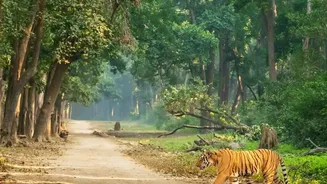
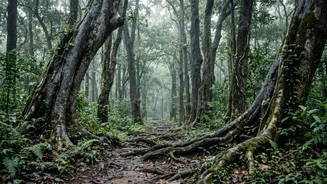
India's tiger reserves, while crucial sanctuaries, have become increasingly isolated from one another due to habitat fragmentation. Human development, agriculture, and infrastructure like roads and railways have carved up what were once vast, interconnected
forests. This has turned many reserves into 'islands' of habitat, trapping tiger populations within their boundaries. While a reserve might have a healthy number of tigers, this small, enclosed population cannot interact with tigers from other areas. Over generations, this lack of natural movement and mixing leads to a critical problem: the loss of genetic diversity.
The Danger of Inbreeding
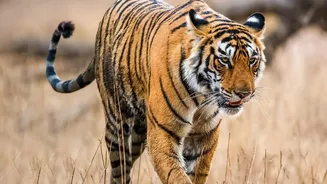
Genetic diversity is essentially the variety of different genes within a population. A diverse gene pool is a sign of a healthy, resilient population. When tigers are isolated, they are forced to mate with relatives, a process known as inbreeding. This leads to what scientists call 'inbreeding depression'. Harmful recessive genes, which might be rare in a large, diverse population, become more common. This can result in a host of problems, including reduced fertility, weakened immune systems, higher cub mortality, and even physical deformities. Studies on isolated populations, such as those in Ranthambore and Similipal, have shown higher levels of inbreeding compared to larger, more connected tiger populations in central India. This makes them more vulnerable to disease and less able to adapt to environmental changes, posing a severe threat to their long-term survival.
Genetic Rescue Missions
To combat this threat, conservationists and the National Tiger Conservation Authority (NTCA) have turned to a proactive strategy: translocation, or the managed relocation of tigers. This process acts as an artificial form of migration, mimicking the natural dispersal that human development has prevented. By carefully selecting a tiger from a genetically robust population and moving it to an isolated one, scientists can introduce new genes into the struggling pool. This is often called a 'genetic rescue'. The goal is not just to increase numbers but to enhance the genetic health and long-term viability of the recipient population. This strategy is based on detailed genetic studies to identify the most suitable donor populations—those with high genetic diversity and the least risk of passing on their own harmful mutations.
Successes and Setbacks in the Field
Tiger translocation is a complex and challenging endeavour, with both notable successes and cautionary tales. The reintroduction of tigers into Sariska in Rajasthan and Panna in Madhya Pradesh, after their local populations were wiped out, are celebrated examples of how translocation can successfully establish new populations. More recently, India's first large-scale genetic rescue programme was launched in Odisha's Similipal Tiger Reserve. This population was highly inbred, but the introduction of tigresses from the genetically diverse Tadoba-Andhari Tiger Reserve in Maharashtra has already shown promise, with one of the relocated tigresses giving birth to four cubs in 2026. However, not all attempts succeed. An earlier project in Satkosia, Odisha, failed, highlighting the need for meticulous planning, prey availability, and community support.
The Ultimate Goal: Connected Landscapes
While translocation is a vital tool, it is also a stop-gap measure. The ultimate, long-term solution is to restore natural connectivity between tiger habitats. This is the vision behind creating and protecting 'wildlife corridors'. These are strips of natural habitat that act as bridges, allowing tigers and other wildlife to move safely between protected areas. A functional corridor network allows for natural gene flow, reducing the need for human intervention. Protecting these corridors from deforestation and disruptive infrastructure is a major conservation priority. It ensures that future generations of tigers can disperse naturally, find new territories, and maintain the genetic diversity that is essential for their survival as a species.