



First Steps to Seeing the Stars
The most important tool for any beginner skywatcher is patience. Your journey starts with three simple steps. First, find a spot away from bright city lights if you can. A park, a terrace, or even a dimly lit balcony will do. Second, give your eyes about
ten to fifteen minutes to adjust to the darkness. This will dramatically increase the number of stars you can see. Third, know the difference between a star and a planet. Stars twinkle because their light is distorted by our atmosphere. Planets, being much closer, shine with a steady, unwavering light. Jupiter and Saturn are bright and don't twinkle, making them excellent first targets.
Finding Jupiter: The Bright King
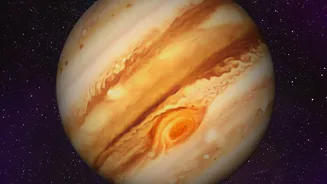
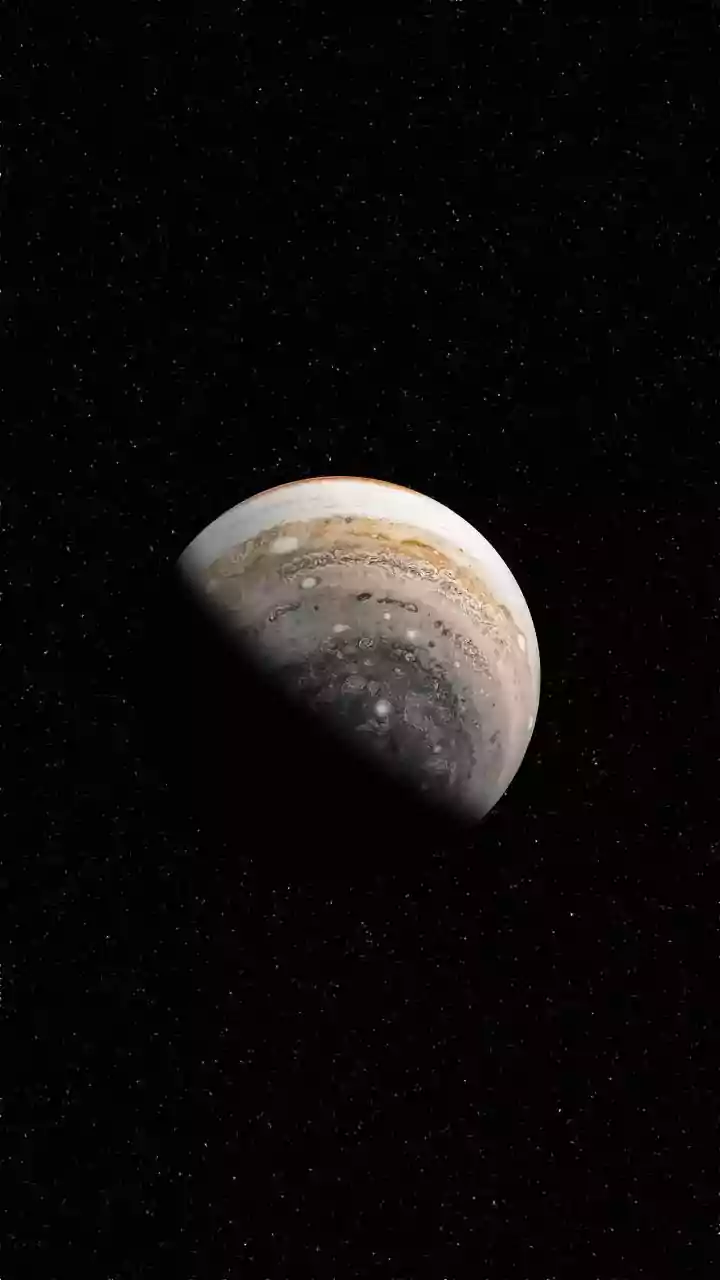
Jupiter is the largest planet in our solar system and one of the brightest objects in the night sky, often outshone only by the Moon and Venus. Because of its brilliance, it’s one of the easiest planets to spot. For observers in India during late August 2026, Jupiter will be visible in the pre-dawn sky. Look towards the eastern horizon shortly before sunrise. It will appear as a very bright, steady, star-like point of light. Even with a basic pair of binoculars, you might be able to spot its four largest moons, which look like tiny pinpricks of light flanking the planet. In a planet parade around August 12, it will be very low on the horizon, but still bright.
Spotting Saturn: The Ringed Jewel
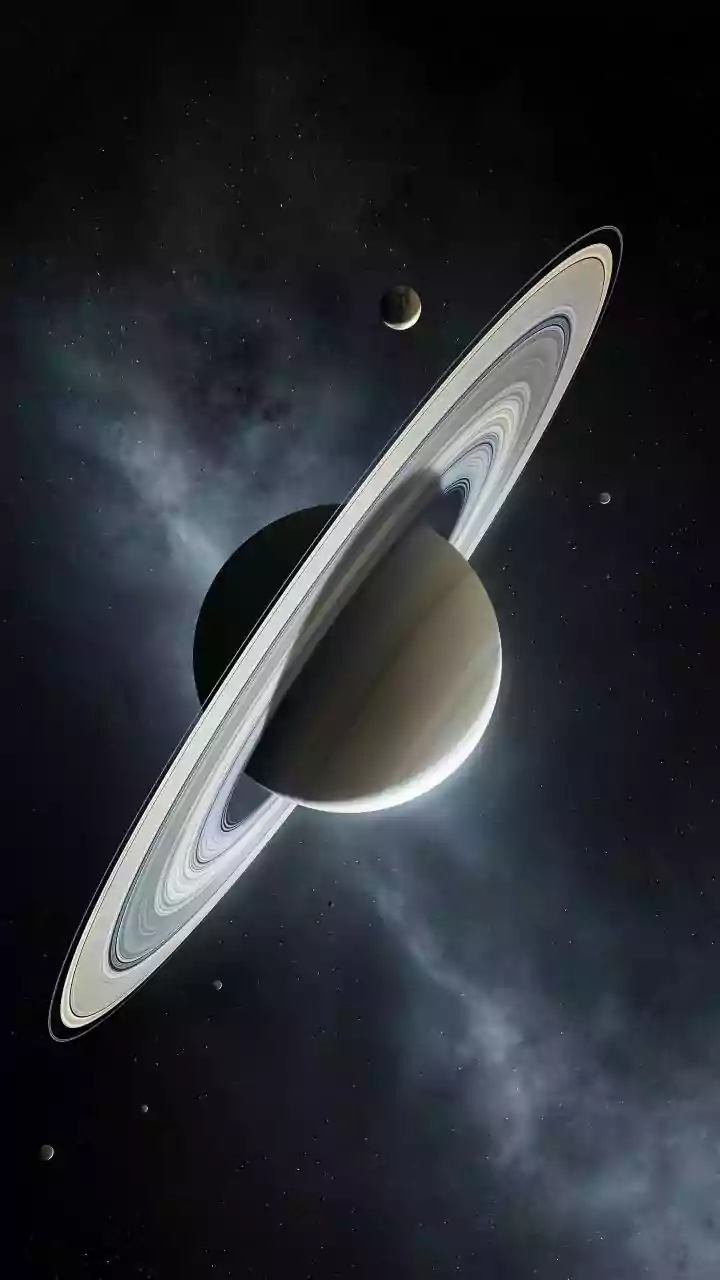
Saturn is dimmer than Jupiter but still shines brighter than most stars and is famous for its magnificent rings. To the naked eye, it often has a distinct yellowish-white glow and, like Jupiter, its light is steady. In late August 2026, Saturn will be visible for most of the night until sunrise. It will be one of the easier planets to spot during the planetary alignment earlier in the month. While you need a telescope to see its rings clearly, just identifying it among the sea of stars is a satisfying achievement. If you've found Jupiter, finding Saturn can sometimes be easier by using it as a reference point, depending on their positions in the sky.
Catching a Space Station
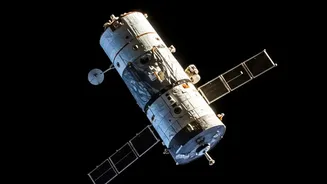
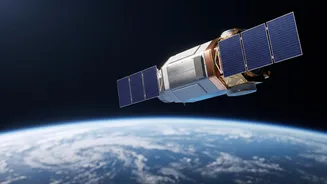
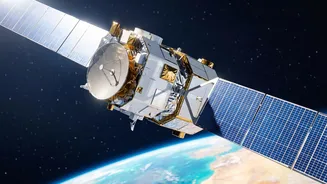
Spotting a space station is a thrilling experience. These are not distant planets but massive laboratories orbiting Earth at incredible speeds. The International Space Station (ISS) and China's Tiangong space station are both visible from India. They look like a very bright star or a silent, fast-moving airplane but without any blinking lights. A pass typically lasts for a few minutes as it glides across the sky. The key is knowing exactly when and where to look. They are best seen shortly after sunset or before sunrise, when the sky is dark but the station is still illuminated by the sun. The ISS is brighter, about as bright as Jupiter, while Tiangong can also be easily seen with the naked eye.
Your Skywatching Toolkit
While your eyes are all you need to start, a few free digital tools can make finding these objects much easier. For tracking space stations, NASA’s “Spot The Station” website is an excellent resource that provides precise viewing times for your location in India. There are also many great smartphone apps. Apps like Stellarium Mobile, Star Walk 2, and SkyView Lite allow you to point your phone at the sky to identify stars, planets, and constellations in real-time. For tracking the ISS and other satellites specifically, apps like ISS Detector are highly recommended. These tools take the guesswork out of skywatching and can point you directly to your target.