






The Unsung Heroes of the Indian Pantry
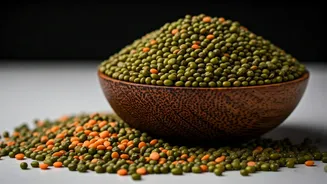
In the world of nutrition, protein is king. It builds muscle, repairs tissue, and keeps us feeling full and energised. For many, the go-to sources are animal-based products or dairy. However, the humble moong and masoor dals, staples in every Indian household,
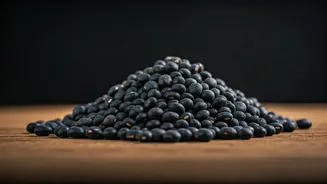
are quietly packing a serious protein punch that often goes unnoticed. These versatile lentils are not just the base for comforting and delicious meals; they are nutritional powerhouses that are both affordable and accessible. Whether it's the light, easily digestible yellow moong dal or the hearty, quick-cooking red masoor dal, you're getting more than just a simple curry. You're getting a plateful of high-quality plant-based nutrition that has been a cornerstone of Indian diets for centuries for a very good reason.
Breaking Down the Protein Numbers
So, how much protein are we really talking about? Let's look at the figures for cooked dal, which is how we eat it. A 100-gram serving of cooked moong dal provides about 7 grams of protein. Similarly, 100 grams of cooked masoor dal offers around 8 to 9 grams of protein. A standard bowl, or 'katori', which holds about 150-200g of cooked dal, can deliver anywhere from 10 to 18 grams of protein depending on the consistency. While the numbers for raw dal are much higher (around 24g per 100g), they absorb water during cooking, which dilutes the protein concentration in the final dish. This is why focusing on the 'cooked' value gives you a more realistic picture of what you're consuming in a meal.
How Do They Stack Up Against the Competition?
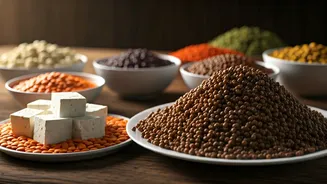
This is where it gets interesting. How do our dals fare against other popular protein sources? A 100-gram serving of paneer contains about 18 to 20 grams of protein, while the same amount of chicken breast provides a hefty 25 to 31 grams. At first glance, it seems chicken and paneer are clear winners. However, lentils bring much more to the table. They are extremely low in fat, whereas full-fat paneer can contain around 20 grams of fat per 100g. Dals are also incredibly rich in dietary fibre, with a 100g serving of cooked moong or masoor offering 7-8 grams. This fibre aids digestion, helps manage blood sugar levels, and keeps you feeling full for longer, making dals excellent for weight management.
The 'Complete Protein' Myth and a Simple Solution
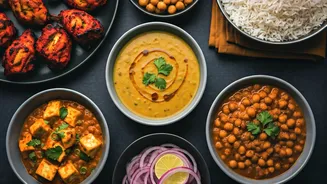
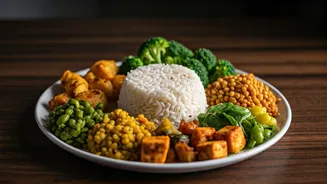
You might have heard that plant-based proteins are 'incomplete'. This simply means they lack one or more of the nine essential amino acids our bodies can't produce. Dals, for instance, are low in an amino acid called methionine. However, this is easily solved with a practice that is already second nature in Indian cuisine: pairing dal with rice or roti. Grains like rice and wheat are rich in methionine, the very amino acid that dal lacks. When you eat dal chawal or dal roti, the two foods complement each other to provide all nine essential amino acids, creating a complete protein meal. This timeless combination isn't just a tradition passed down through generations; it's a nutritionally perfect partnership.
More Than Just Protein: A Bundle of Benefits
Beyond their protein content, moong and masoor dals are loaded with other essential nutrients. They are fantastic sources of iron, which is crucial for preventing anaemia and maintaining energy levels. They are also packed with folate (a B vitamin) which is vital for cell growth and is especially important during pregnancy. Furthermore, these lentils are rich in potassium and magnesium, minerals that play a key role in heart health by helping to regulate blood pressure. With a low glycemic index, they release energy slowly, preventing blood sugar spikes and making them an excellent food for people with diabetes. Adding to their credentials, they possess antioxidant and anti-inflammatory properties that support overall immunity and well-being.