

The Front-Loading Strategy
The most effective way to minimise food waste is to adopt a ‘front-loading’ strategy for your weekly menu. This means identifying your most perishable items and using them first, typically within the first two to three days after shopping. Fragile produce
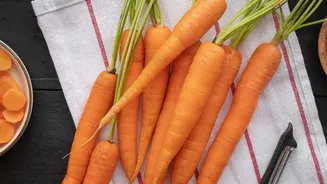
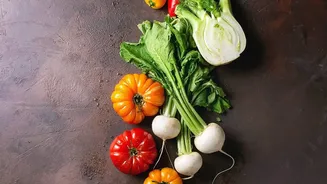
includes items with a high water content and delicate structures. Think leafy greens, soft herbs, berries, mushrooms, and summer squash. Hardy produce, on the other hand, such as root vegetables (carrots, potatoes), onions, and cabbage, can be saved for later in the week. By planning your meals to start with the delicate items, you ensure everything is eaten at its peak freshness.
Tender Greens and Fresh Herbs
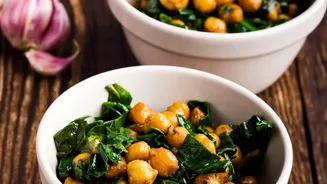
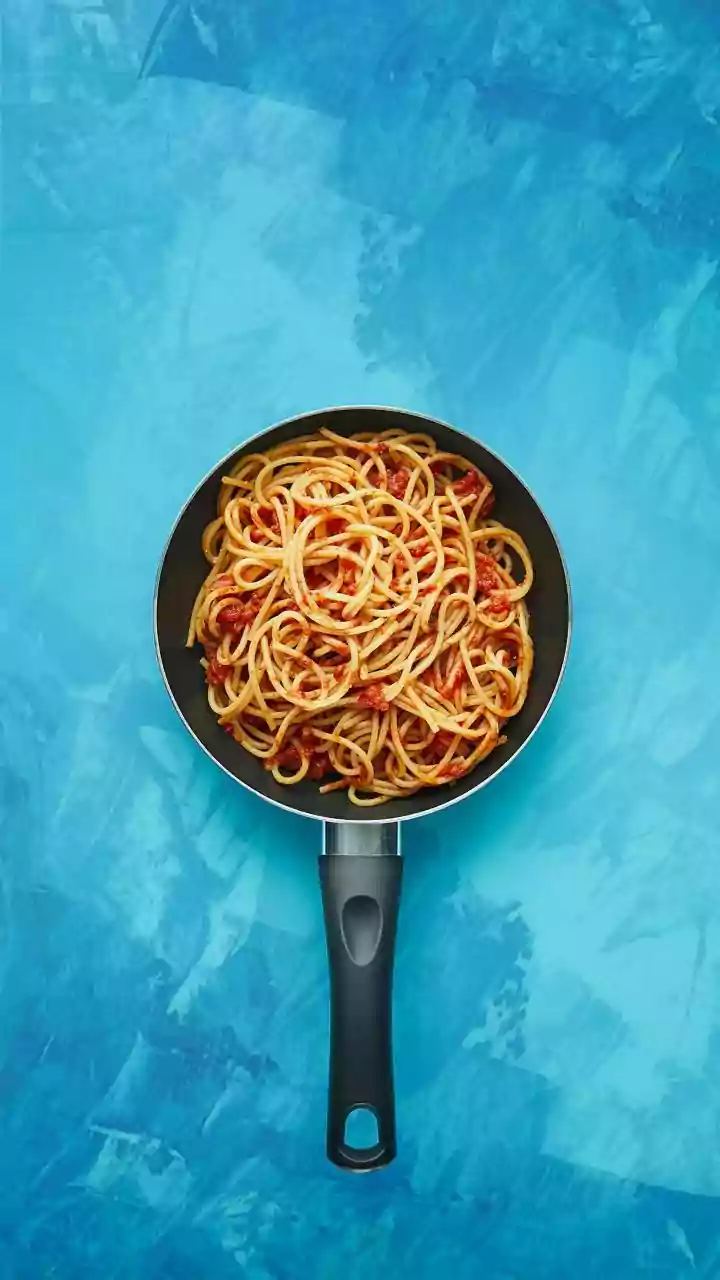
Leafy greens like spinach, lettuce, and arugula, along with fresh herbs like coriander, basil, and mint, are notorious for their short shelf life. They are the first things you should plan to use. An early-week salad is an obvious and excellent choice. You can also wilt a large amount of spinach into a simple pasta dish, or blend herbs like coriander and mint into a flavourful chutney or sauce. A frittata or omelette is another fantastic way to incorporate a generous handful of greens and herbs that might otherwise be forgotten.
Soft Fruits and Berries
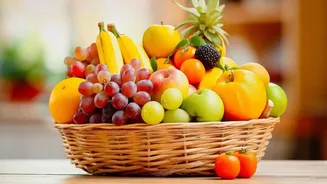
Berries, peaches, plums, and bananas are quick to spoil and should be enjoyed within a few days of purchase. If you have more than you can eat fresh, they are perfect candidates for early-week breakfasts. Blend them into smoothies, or gently cook them down into a quick compote to spoon over yogurt or oatmeal. Overripe bananas, with their intensified sweetness and soft texture, are ideal for mashing into batter for banana bread or pancakes. Soft peaches and plums can be grilled or roasted for a simple and elegant dessert.
Delicate Vegetables
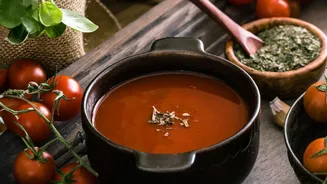
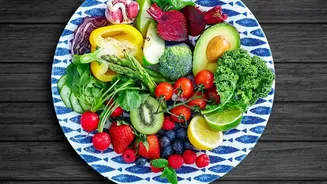
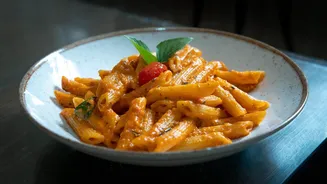
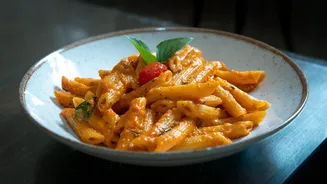
Vegetables like mushrooms, bell peppers, broccoli, and zucchini have a limited window before they lose their crispness. Use them early in the week in quick-cooking dishes that celebrate their freshness. A colourful vegetable stir-fry is a perfect Monday or Tuesday night dinner. Roasting a medley of these vegetables on a sheet pan is another simple method that brings out their natural sweetness. Very ripe tomatoes, which can become soft and difficult to slice, are perfect for making a fresh pasta sauce or a rich, flavourful tomato soup.
The Overripe Advantage
Some produce actually improves for certain recipes as it becomes fully, or even overly, ripe. Extremely ripe, juicy tomatoes are packed with flavour and are perfect for sauces, soups, and jams where their soft texture is an asset. Bruised stone fruits like peaches or nectarines, as long as they aren't mouldy, can be cooked down into pies or crumbles. Instead of seeing a soft fruit or vegetable as past its prime, think of it as ready for a different culinary purpose. This shift in perspective can unlock new recipe ideas and prevent food from being discarded.