




The Philosophy of the Perfect Match
The secret to a great tea pairing lies in balance. The core principle is to match the intensity of the food with the intensity of the tea. A delicate white or green tea, with its subtle, grassy notes, calls for equally light fare like fresh salads or steamed
vegetables. A robust, full-bodied black tea, however, can stand up to richer, stronger flavours. You can choose to either complement or contrast flavours. A complementary pairing finds shared notes, like serving a lemon tart with a citrusy Earl Grey to amplify the bergamot. A contrasting pairing uses the tea to cleanse the palate, like pairing a bright, astringent brew with a rich, fatty food to cut through the richness and refresh the senses.
The Indian Chai Tradition
In India, chai time is a cherished daily ritual, and the snacks that accompany it are a masterclass in flavour dynamics. Strong, milky, and spiced masala chai pairs beautifully with savoury, often fried, vegetarian bites. Think of the classic samosa, with its spicy potato filling and crispy pastry, or pakoras, which are vegetable fritters coated in a seasoned gram flour batter. The warmth and spice of the chai cut through the richness of the fried snacks, creating a perfectly balanced and deeply satisfying experience. Other popular pairings include dhokla, a spongy steamed cake, and vada pav, a spiced potato fritter in a soft bun.
Lessons from British Afternoon Tea
The British tradition of afternoon tea offers a different, more delicate approach. Here, the vegetarian options are iconic. The cucumber sandwich is a cornerstone, prized for its refreshing simplicity. To make it properly, the cucumber should be thinly sliced, salted to draw out excess water, and placed between slices of buttered white bread with the crusts removed. Other classic vegetarian fillings include egg and cress or cheese and pickle. Following the savouries are scones, served with jam and cream, which provide a bridge to the sweet pastries. These lighter bites are designed to complement classic black teas without overwhelming them.
The Artistry of Japanese Wagashi
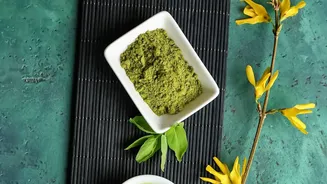
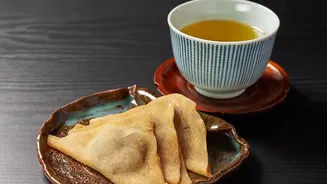
In Japan, tea is often served with wagashi, traditional confections that are considered an art form. These sweets are not just snacks; they are crafted to be a sensory experience, reflecting the season in their shape, colour, and ingredients. The primary role of wagashi in a tea ceremony is to prepare the palate for the bitterness of matcha. Eaten before sipping the tea, the gentle, often bean-based sweetness of the wagashi enhances the complex, umami notes of the green tea that follows. These sweets embody the Japanese aesthetic of 'wabi-sabi'—an appreciation for simplicity and the transient beauty of nature.
Modern Vegetarian Ideas for Your Table
Inspired by these traditions, you can create a modern vegetarian tea menu at home. Move beyond the classics with inventive small bites. Consider mini vegetable quiches, falafel in pita pockets, or bruschetta topped with tomato and basil. For a simple yet elegant option, try avocado toast points or crostini with a creative topping like pomegranate and vegan cream cheese. Even sandwiches can be updated; fillings like coronation chickpea or roasted red pepper with pesto offer a vibrant twist. The goal is to offer a variety of textures and flavours that will delight your guests and complement your selection of teas.