







From Aspiration to Information
A quiet but powerful transformation is reshaping India's beauty industry. Where previous generations might have been swayed by a film star's endorsement, today's young Indian consumers are driven by a different kind of influence: information. [3] Gen
Z shoppers, armed with internet access and a healthy dose of skepticism, are moving away from the one-size-fits-all beauty ideals of the past. [3] They are less interested in looking like someone else and more focused on understanding their own needs. [3] This has sparked a shift from aspiration-led purchasing to information-driven decisions, where the 'what' and 'why' behind a product are just as important as the promised result.
The Rise of the 'Skintellectual'
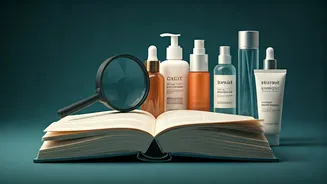
This new-age consumer has a name: the 'skintellectual'. They approach skincare with a near-scientific mindset, spending time researching ingredients, understanding their efficacy, and then investing in what suits their specific skin type. [4, 25] Vague promises of an 'instant glow' have been replaced by a demand for ingredient-led skincare featuring actives like niacinamide, retinols, and ceramides. [3] This movement is fuelled by social media, where a new generation of experts—dermatologists, cosmetologists, and science communicators—are democratising knowledge that was previously accessible only through expensive consultations. [3] Brands like The Ordinary and Minimalist have gained immense popularity by offering transparent, single-ingredient formulations that empower consumers to build their own routines. [3, 5]
What 'Better Guidance' Looks Like
For Gen Z, better guidance isn't a single thing but a whole ecosystem of trust and transparency. It starts with authentic reviews from micro-influencers who show real, textured skin, not airbrushed perfection. [3, 23] It extends to dermatologist-led brands like The Derma Co. and Dr. Sheth's, which offer clinically tested solutions for specific Indian skin concerns like hyperpigmentation and sun damage. [5, 9, 21] This generation values brands that communicate the science behind their products, are transparent about sourcing, and commit to ethical practices. [4, 15] Even e-commerce giants are adapting; Flipkart, for instance, reports that Gen Z drives nearly 60% of beauty purchases and is investing in tools like Virtual Try-On and live video commerce to aid discovery. [12, 16]
Beyond the Metros and Gender Norms
This demand for informed beauty choices is not just an urban phenomenon. Two in every three beauty-related searches on major e-commerce platforms now come from non-metro cities, indicating that consumers in places like Kottayam, Guntur, and Gorakhpur are just as trend-aware. [12, 13] Simultaneously, Gen Z is dismantling outdated gender norms in beauty. For them, beauty is viewed as self-care and wellness, not vanity. [3] The men's grooming category is one of the fastest-growing segments, with searches for products like 'sunscreen for men' and 'face wash for men' surging. [12, 16] Brands are responding with gender-neutral packaging and marketing that focuses on function and results rather than traditional gender cues. [3]
The Future is a Conversation
The message from Indian Gen Z is clear: they want to be part of a conversation, not just be sold to. They are smart, curious, and willing to experiment, but they ultimately trust their own experience. [3] They value authenticity over celebrity, efficacy over marketing fluff, and education over empty promises. [24] This shift is creating a more accountable and innovative beauty market. The brands that will thrive are those that act as trusted guides, offering personalised, science-backed solutions and fostering a community built on transparency and real-world results. [28] For this generation, a beauty product isn't just a purchase; it's a choice that reflects their values, knowledge, and identity. [23]