
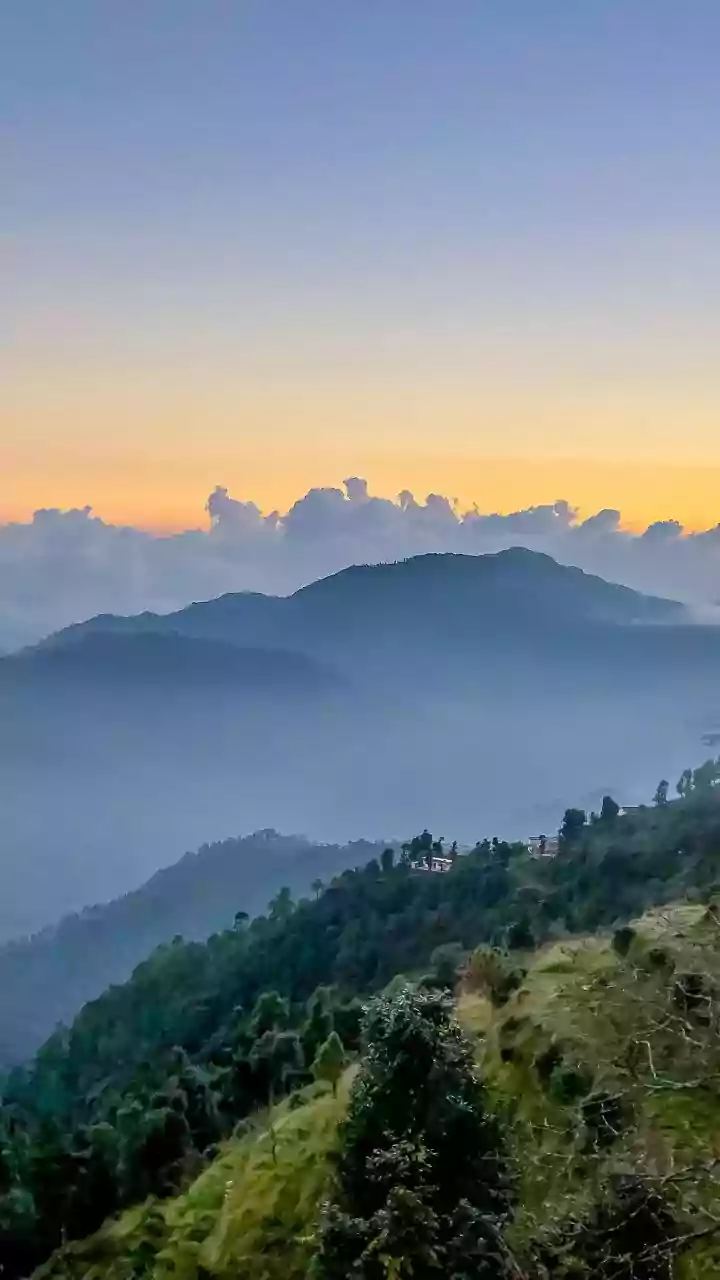
Sikkim is more than its popular postcards. Beyond the bustling streets of Gangtok lie valleys untouched by mass tourism, where nature and culture exist in serene harmony. Here are some of Sikkim's best-kept secrets for the discerning traveller.
Dzongu Valley: A Lepcha Sanctuary
Tucked
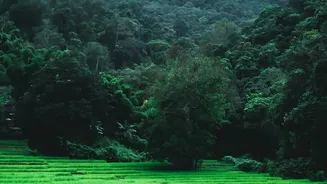
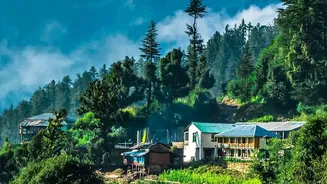
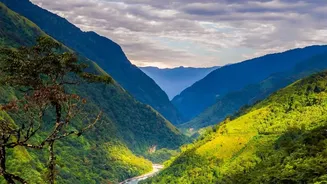
away in North Sikkim, Dzongu is a protected reserve for the Lepcha community, the original inhabitants of this land. This status has kept it beautifully pristine and off the main tourist circuit. Visiting requires a special permit, usually arranged through a local homestay, which adds to its exclusive charm. The valley is a lush paradise of dense forests, cascading waterfalls, and terraced fields of cardamom and paddy. Life here is slow and deeply connected to nature. Travellers can stay with local families, learn about ancient Lepcha traditions, and explore trails that lead to hidden hot springs and sacred lakes. It’s not a place for a quick visit but for deep immersion into a culture that reveres the mountains, especially the mighty Kanchenjunga, as their guardian deity. The best time to visit is from October to May, when the weather is pleasant and the views are clear.
Varsey: The Valley of Rhododendrons
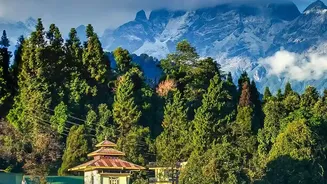
For flower enthusiasts and trekkers, the Varsey Rhododendron Sanctuary in West Sikkim is a slice of heaven. While Yumthang Valley is more famous, Varsey offers a more intimate and less crowded experience. The sanctuary is best visited between March and May when countless rhododendron trees burst into a riot of red, pink, and white blooms, painting the entire landscape in vibrant colours. The main trail is a relatively easy 4-kilometre walk from Hilley, making it accessible even for casual hikers. The path winds through a dense forest of oaks and magnolias, with the silence broken only by birdsong. On a clear day, the magnificent Kanchenjunga range provides a stunning backdrop to the floral spectacle. It’s a perfect short trek that rewards with immense natural beauty and tranquillity, far from the jeep convoys of other popular spots.
Kewzing: A Taste of Bhutia Village Life
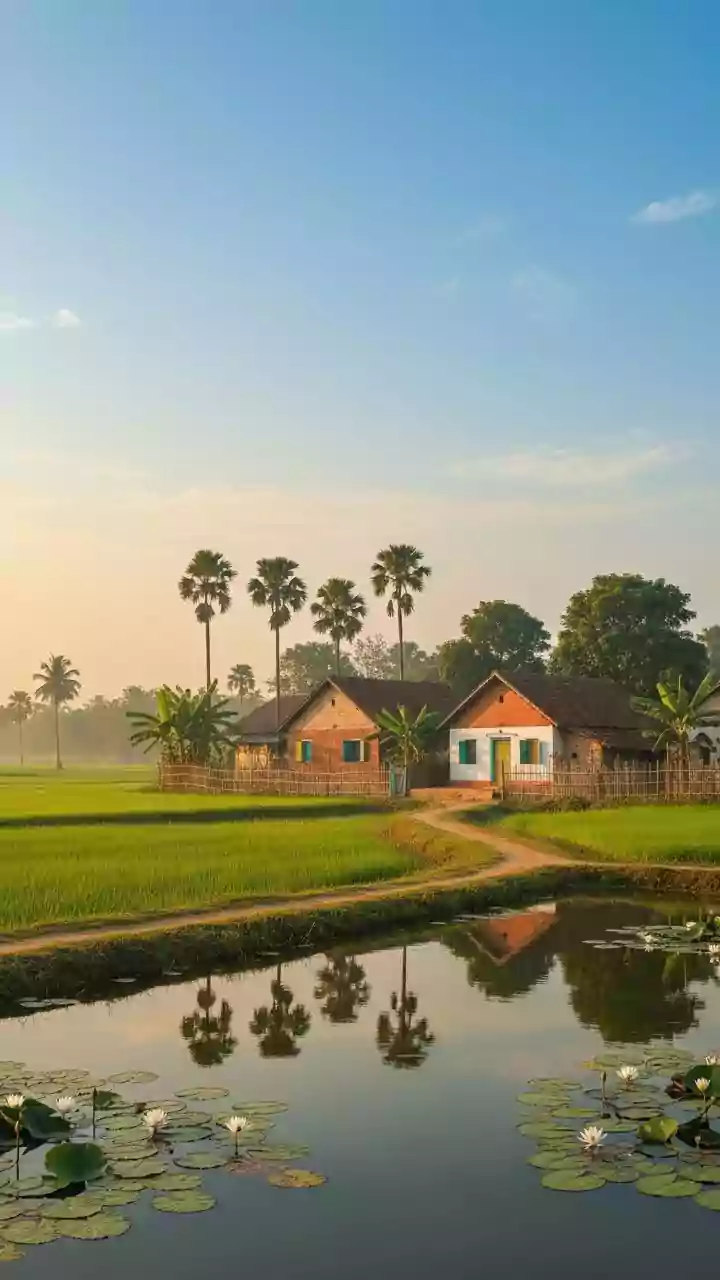
Located in South Sikkim, Kewzing is a quiet Bhutia village that has become a model for community-based tourism. Situated at an altitude of about 1,500 metres, this 'Land of Chestnut Forests' offers an authentic and immersive cultural experience. Visitors can stay in traditional homestays run by local families, participate in daily village activities, learn to cook Bhutia cuisine, and walk through fragrant cardamom plantations. The initiative, supported by local committees, aims to provide livelihoods while preserving the unique cultural heritage of the community. Kewzing also serves as an excellent base for birdwatching, with the nearby Maenam Wildlife Sanctuary being home to over 200 bird species, including the stunning Satyr Tragopan. It’s an ideal spot for travellers who want their journey to be meaningful and contribute directly to the local economy.
Zuluk: The Zigzag Roads of the Silk Route
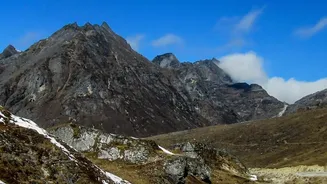
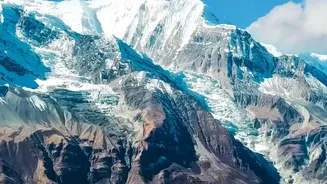
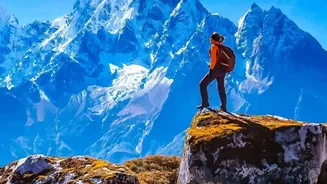
Part of the historic Old Silk Route, Zuluk is a small village in East Sikkim perched at an altitude of around 10,000 feet. It is famous for the mind-bending series of 32 hairpin bends that snake up the mountainside. The journey itself is the destination here. While it's gaining popularity, Zuluk remains a restricted area accessible only to Indian nationals with a permit, which helps manage the flow of tourists. The main attraction is the Thambi View Point, from where you can watch the sunrise cast a golden glow over the Kanchenjunga range and the winding roads below. Beyond Zuluk, the route continues to the high-altitude Nathang Valley, often called the 'Ladakh of the East'. Homestays offer a basic but warm and authentic experience, making it a true adventure into the region's trading past and rugged beauty.
Borong: Hot Springs and Solitude
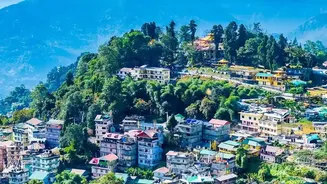
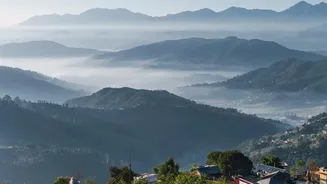
If you're seeking absolute peace, the village of Borong in South Sikkim is a perfect choice. Located near Ravangla, it remains a hidden gem away from the usual tourist hustle. This picturesque village is known for its serene atmosphere and stunning views of peaks like Mount Pandim and Narsing. One of its key attractions is the Borong Hot Springs (Tsa-Chu), located on the bank of the Rangit River. A short trek down from the village, these springs are believed to have therapeutic properties and offer a chance to rejuvenate in a completely natural setting. The area is also a delight for birdwatchers. The best time to experience Borong's tranquil charm is between October and May, when the skies are clear and the weather is pleasant for walks and sightseeing.