



An Olfactory Map of Tradition
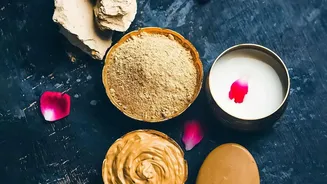
Long before modern perfumery, India perfected the art of attar (also known as ittar), a natural perfume oil distilled from flowers, herbs, woods, and spices. Unlike alcohol-based sprays, these concentrated oils are deeply personal, melding with the wearer's
skin to create a unique scent. Rooted in both Ayurvedic and Mughal traditions, attars are more than just fragrances; they are vessels of memory, culture, and spirituality. The process of creating them, often a traditional hydro-distillation method called 'deg-bhapka', is a craft passed down through generations, particularly in cities like Kannauj. This rich history ensures that wearing an attar during a festival is not just a cosmetic choice, but an act of participating in a centuries-old tradition.
Warmth and Light for Diwali
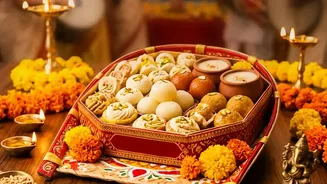
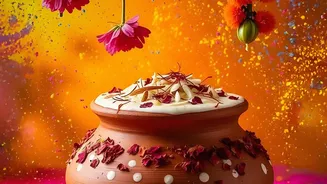
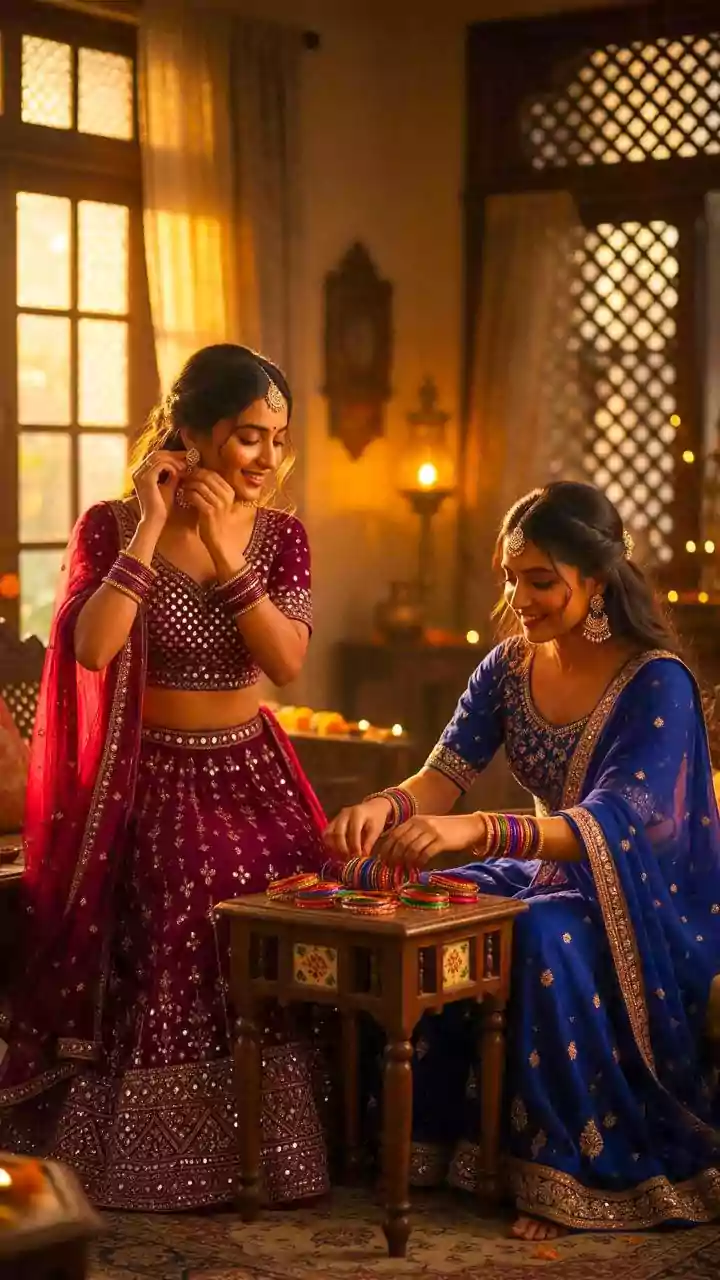
Diwali, the festival of lights, is a celebration of warmth, prosperity, and the triumph of good over evil. The scents associated with this period reflect this glowing, joyful atmosphere. Fragrances with warm, spicy, and sweet notes are especially popular. Think of oriental perfumes featuring cinnamon, clove, and vanilla, which echo the aromas of festive sweets (mithai) and rich foods. Saffron, or 'kesar', with its luxurious and slightly sweet profile, is a prized ingredient. Sandalwood, or 'chandan', is indispensable; its creamy, woody aroma is considered purifying and is used in everything from incense for Lakshmi Puja to personal anointment, creating an ambience of tranquil devotion amidst the firecrackers and celebrations.
Devotion and Grace during Eid
Eid celebrations are marked by prayer, reflection, and community gatherings. The fragrances chosen for this occasion are often imbued with spiritual significance and a sense of sophisticated grace. Oud (agarwood) is a classic choice, its deep, resinous, and woody aroma deeply rooted in Islamic tradition and perfect for the spiritual undertones of the festival. Rose, or 'gulab', is another cornerstone, symbolising love, purity, and devotion in both spiritual and celebratory contexts. A light application of rose or jasmine attar offers a feeling of freshness for daytime prayers and family visits, while richer blends of musk and amber provide a warm, enduring presence for evening feasts, creating an aura of quiet joy and togetherness.
The Scent of the Earth and Harvest
Many regional festivals are tied to the cycles of nature, from harvest celebrations to the arrival of the monsoon. The perfumes worn during these times often mirror the scents of the land itself. Perhaps the most poetic of these is 'Mitti Attar', which translates to 'earth perfume'. This unique fragrance is made by distilling baked earth, capturing the petrichor aroma of the first rain on dry soil. Wearing Mitti Attar is a profound way to connect with the feeling of renewal and life-giving relief that the monsoon brings. Similarly, fresh, green scents like vetiver ('khus') provide a cooling and grounding effect, making them ideal for outdoor festivals in the heat, connecting the wearer to the very essence of the Indian landscape.