


The Building Blocks: What Are Amino Acids?
Think of protein as a long chain, and amino acids as the individual links. Your body needs 20 different amino acids to build everything from muscle tissue to hormones. Of these, nine are called 'essential amino acids' because our bodies cannot produce
them; they must come from our diet. A food is considered a 'complete protein' when it contains all nine of these essential amino acids in sufficient quantities. Animal-based foods like meat, eggs, and dairy products are naturally complete proteins. Most plant foods, on the other hand, are often low in one or more of these essential building blocks, making them 'incomplete' on their own.
The Perfect Partnership of Grains and Legumes
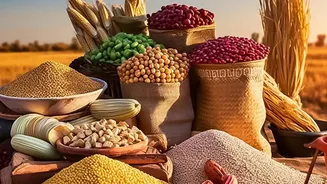
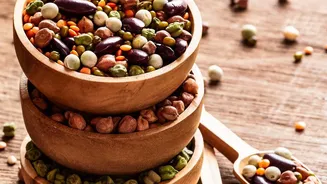
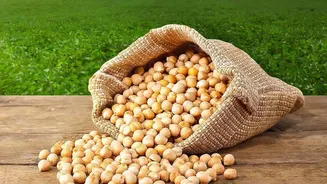
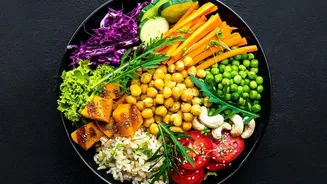
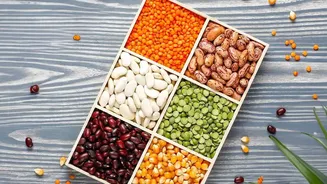
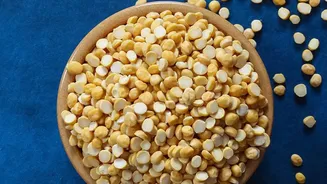
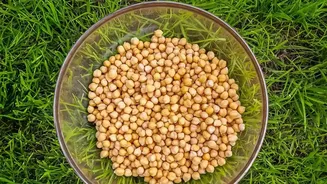
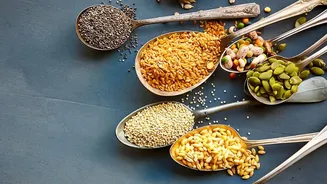
This is where the wisdom of traditional diets comes in. Most plant foods have a 'limiting amino acid,' which is the essential amino acid they are lowest in. For grains like rice and wheat, the primary limiting amino acid is lysine. For legumes like dal, chana, and rajma, the main limiting amino acid is methionine. Individually, they are incomplete. But when you eat them together, they form a powerful nutritional synergy. The lysine-rich legumes fill the gap in the grains, and the methionine-rich grains fill the gap in the legumes. This concept is called protein complementation, and it’s the science behind why combinations like dal-rice and chana-roti are so nutritionally sound.
Decoding Protein Quality Scores
So how do scientists measure this? They use protein quality scores. The most established method is the Protein Digestibility Corrected Amino Acid Score (PDCAAS). This score evaluates a protein based on two factors: its amino acid profile and its digestibility. The score ranges from 0 to 1.0, with 1.0 being the highest possible score, indicating that the protein provides 100% of the required essential amino acids after accounting for digestion. While animal proteins like whey and eggs score a 1.0, many individual plant proteins score lower. However, combining complementary plant proteins, like pea and rice, can achieve a PDCAAS score of 1.0. A newer, more precise method called the Digestible Indispensable Amino Acid Score (DIAAS) has been proposed, but PDCAAS is still the standard used by most regulatory bodies.
Complete Protein on Your Indian Plate
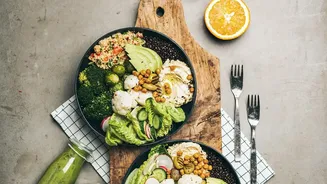
You don't need complex calculations to put this into practice. Indian cuisine is naturally built on the principle of protein complementation. Some of the most common and effective pairings include: - Dal and Chawal: The quintessential Indian meal. Lentils (dal) provide the lysine that rice (chawal) lacks, and vice versa for methionine. A single serving can offer a substantial 14-17 grams of complete protein. - Rajma and Chawal: This beloved North Indian dish is a nutritional powerhouse. The combination of kidney beans and rice creates a meal that delivers all nine essential amino acids. A full plate can provide 20-24 grams of protein. - Roti and Dal: Pairing whole wheat flatbread with any lentil curry is another daily strategy to ensure you’re getting a full amino acid profile. - Idli/Dosa with Sambar: The fermented batter of rice and urad dal is a complete protein source in itself, which is further enhanced by the lentil-based sambar it's served with.