


What Exactly Is the Summer Solstice?
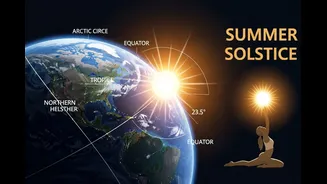
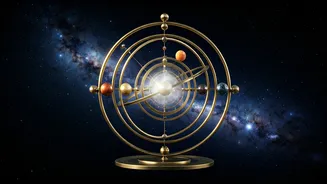
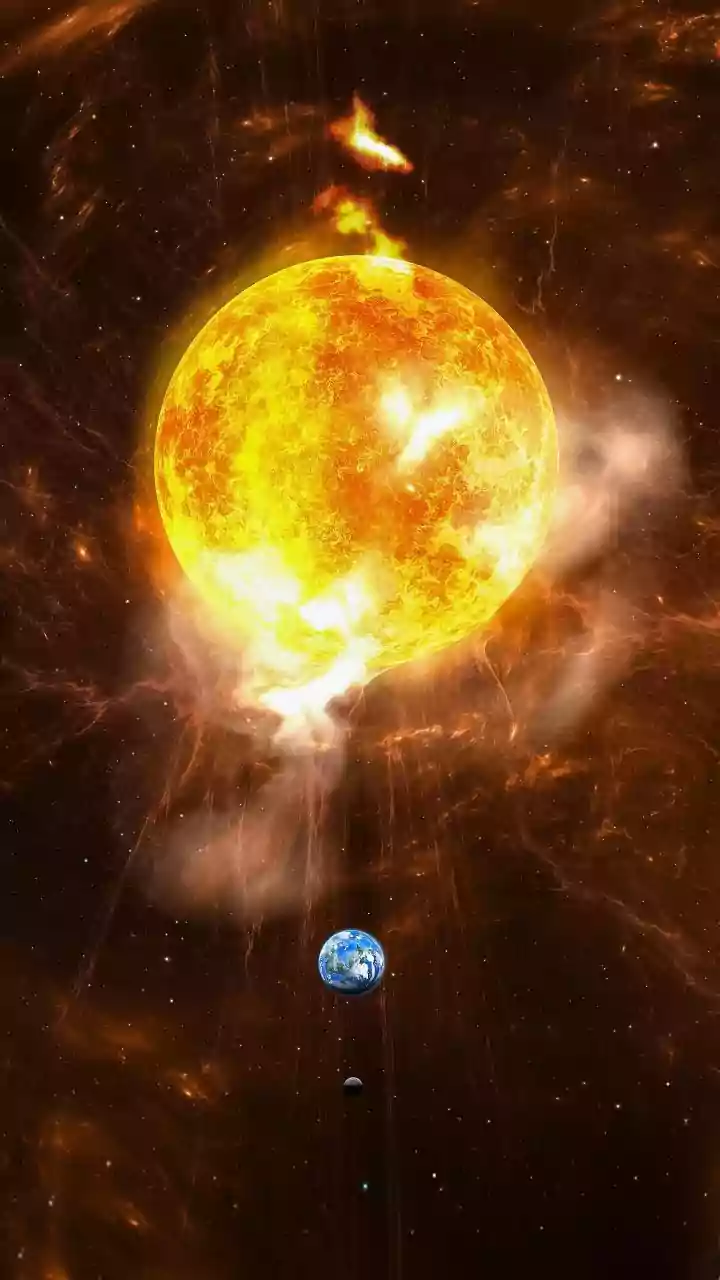
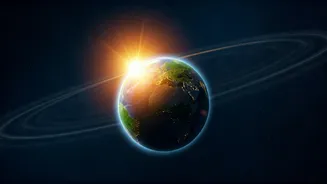
Forget complex charts for a moment and picture our Earth. It doesn't spin upright but is tilted on its axis, like a slightly leaning top. As we journey around the Sun, this tilt means different parts of the planet get more direct sunlight at different times
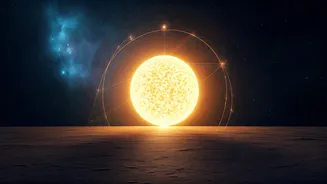
of the year. The summer solstice, occurring around June 21 in the Northern Hemisphere, is the exact moment when the North Pole is tilted most directly towards the Sun. This results in the Sun reaching its highest and northernmost point in the sky for the year, giving us the maximum duration of daylight. It’s not about Earth being closer to the Sun—in fact, we're often further away during the northern summer—but entirely about that beautiful, life-giving tilt.
The Science of the Longest Day
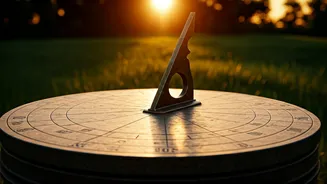
When we say it's the "longest day," we're talking about the time between sunrise and sunset. On this day, the Sun traces its longest and highest arc across the sky, taking more time to travel from horizon to horizon. In cities across India, this means we get to enjoy over 13 hours of daylight. For instance, Delhi and Mumbai will experience their lengthiest period of sunlight, a noticeable extension compared to the short days of winter. However, after this peak on June 21, the duration of daylight will begin to slowly decrease each day, marking a subtle but significant turning point in the year's celestial calendar as we start the long, slow march towards winter.
Ancient Magic and Global Traditions
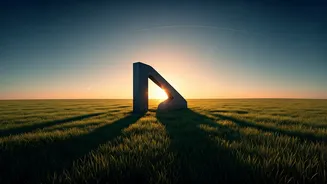
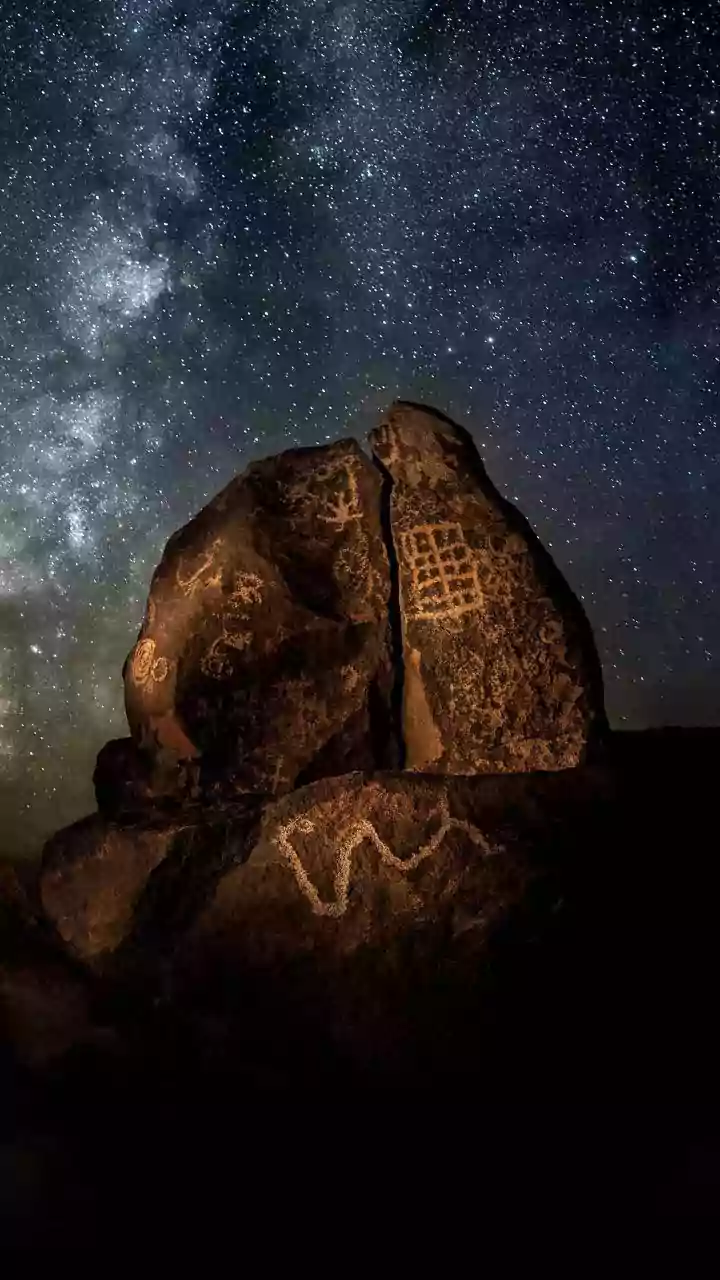
Long before we had scientific explanations, cultures around the world recognized the power of the solstice. It was a day of immense significance, often associated with light, life, fertility, and abundance. In ancient Europe, druids famously gathered at Stonehenge, which is architecturally aligned to the solstice sunrise. In ancient Egypt, the summer solstice nearly coincided with the rising of the star Sirius and the annual flooding of the Nile, a crucial event for their agriculture. Many cultures celebrated with bonfires to symbolize the power of the sun, held festivals for a bountiful harvest, and performed rituals to ward off evil spirits that were thought to roam when the natural order was at a turning point. This day has always been seen as a peak—a moment of maximum power before the light begins to wane.
The Solstice in India: A Day for Yoga
In India, the summer solstice, or 'Greeshm Ayanant', holds a special resonance, particularly in the realm of spirituality. It’s seen as a time of heightened natural energy. It is no coincidence that International Day of Yoga is celebrated on June 21. The date was chosen specifically for its symbolic significance in the Hindu calendar. The solstice marks the transition to 'Dakshinayana', the six-month period when the sun begins its journey south. Spiritually, this period is considered ideal for sadhana (spiritual practice), purification, and inner reflection. For yogis, the sun is the ultimate source of life and energy. Honouring the sun on the day of its greatest strength through practices like Surya Namaskar (Sun Salutation) is a powerful way to connect with this celestial rhythm.
Finding Your Own Solstice Magic
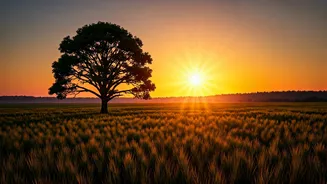
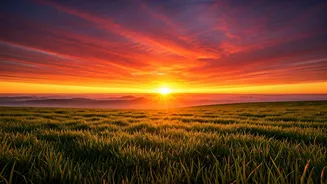
You don't need an ancient stone circle to connect with the solstice. The 'magic' of the longest day is about pausing to appreciate this natural milestone. Try waking up early to witness the sunrise and feel the promise of the long day ahead. Spend some time in nature, whether it's a park, a garden, or a balcony, and simply notice the quality of the light. Gather with friends for an outdoor meal to make the most of the extended evening. Many also use this day for reflection—a time to celebrate achievements from the first half of the year and set intentions for the months to come. The magic lies in acknowledging this peak moment of light and energy, and letting it inspire a sense of gratitude and renewal.