




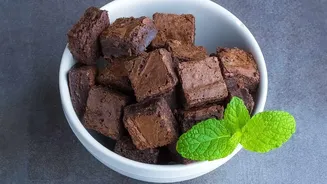

A Healthier, Heartier Brownie
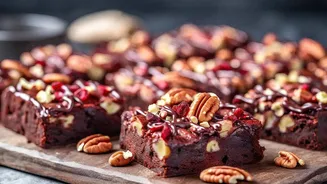
The humble brownie, a universal comfort dessert, is getting a wholesome makeover. In a trend that blends modern health consciousness with traditional ingredients, chefs and home bakers are ditching refined flour in favour of finger millet. Known locally
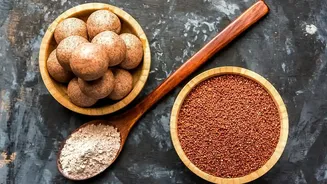
as ragi, this ancient grain is stepping into the spotlight, transforming the indulgent treat into a more nutritious, guilt-free pleasure. This shift isn't just about cutting out maida; it's about introducing a powerhouse of nutrients into a dessert without compromising on the rich, decadent experience we all love. The result is a brownie that’s not only delicious but also packed with health benefits that refined flour simply cannot offer.
The Nutritional Edge of Ragi
So, what makes ragi a superior choice? The nutritional difference is significant. Unlike refined flour, which is stripped of most of its nutrients, ragi is a whole grain loaded with goodness. It is an excellent source of calcium, crucial for bone health, and is rich in iron and dietary fibre. This high fibre content aids digestion, promotes a feeling of fullness, and helps regulate blood sugar levels, making it a smarter option for those managing their weight or diabetes. Furthermore, ragi is naturally gluten-free, providing a fantastic alternative for individuals with gluten sensitivities or celiac disease. By making this simple swap, bakers are elevating brownies from an empty-calorie treat to a snack with genuine nutritional value.
Flavour and Texture Reimagined
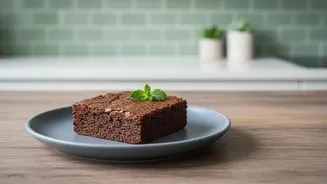
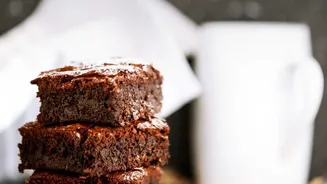
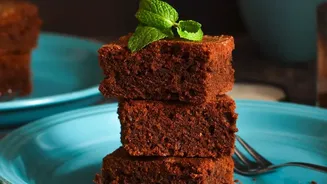
But does a healthy brownie still taste like a brownie? The answer is a resounding yes, though with a delicious twist. Finger millet has a distinct earthy and nutty flavour profile that pairs exceptionally well with the deep, rich notes of chocolate. Some describe the combination as a perfect match, where ragi’s natural taste enhances the chocolatey experience. When it comes to texture, ragi flour creates a uniquely dense and fudgy brownie. Because millets absorb more moisture, the resulting bake is incredibly moist. While some recipes recommend blending ragi with other flours to achieve a lighter crumb, many brownie recipes embrace its ability to produce a perfectly gooey centre, which is often the most desired quality in a brownie. Don't be surprised if you prefer the complex flavour and satisfying bite of a ragi brownie.
Tips for the Home Baker
Inspired to try this at home? Baking with ragi is straightforward, but a few tips can ensure success. Since millet flours are gluten-free, they don't have the same binding properties as wheat. To compensate, many recipes include a binding agent like yogurt (curd), mashed bananas, or eggs. Ragi flour can also be quite absorbent, so your batter may require a bit more liquid—such as milk or oil—to stay moist. For a milder flavour, some chefs suggest lightly toasting the ragi flour in a dry pan before using it to remove any raw taste. If you're new to baking with millets, a good starting point is to substitute 50% of the refined flour in your favourite brownie recipe with ragi flour and see how you like the result. Don't overbake; ragi brownies are best when they are slightly underdone in the centre for maximum fudginess.